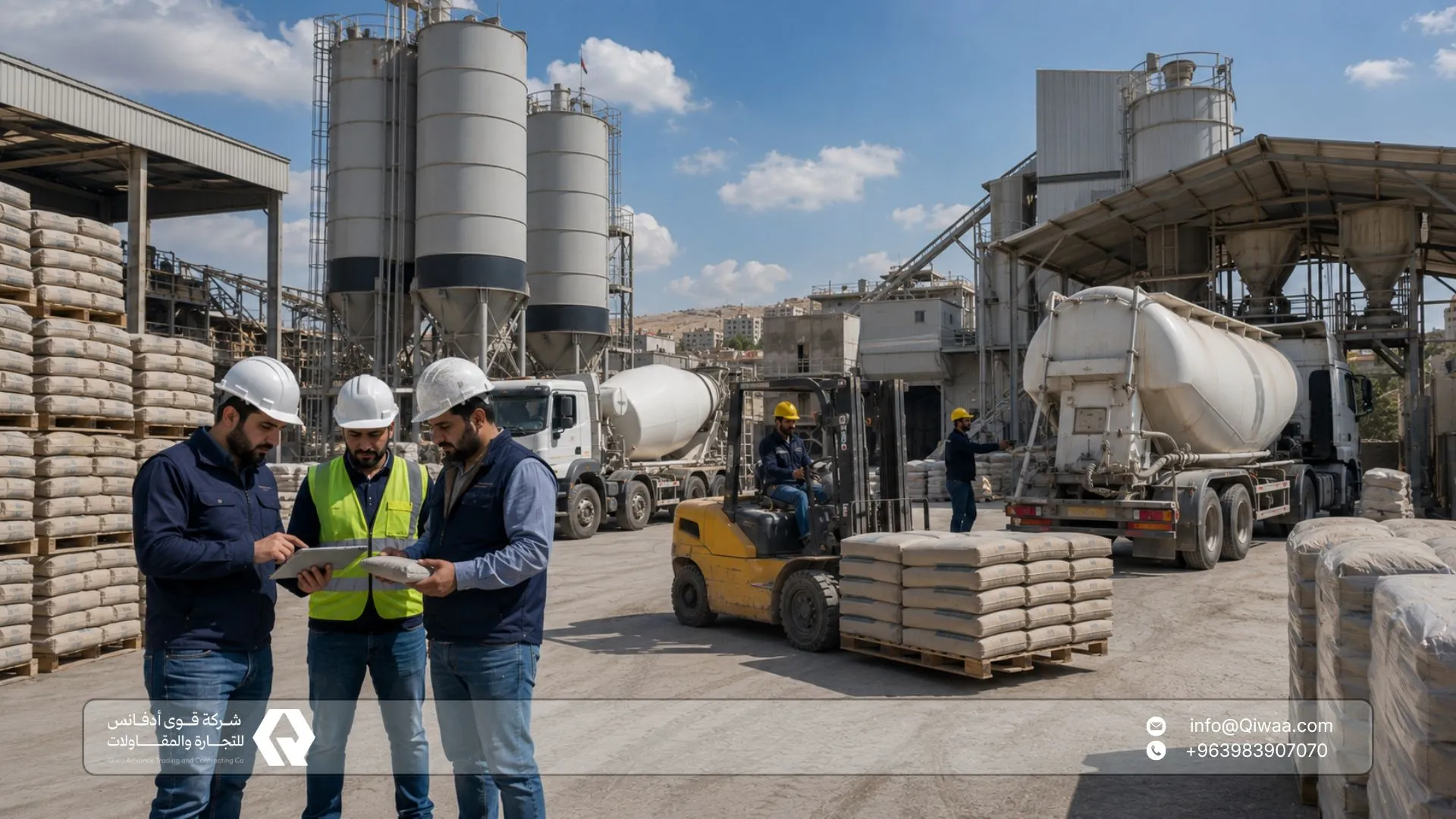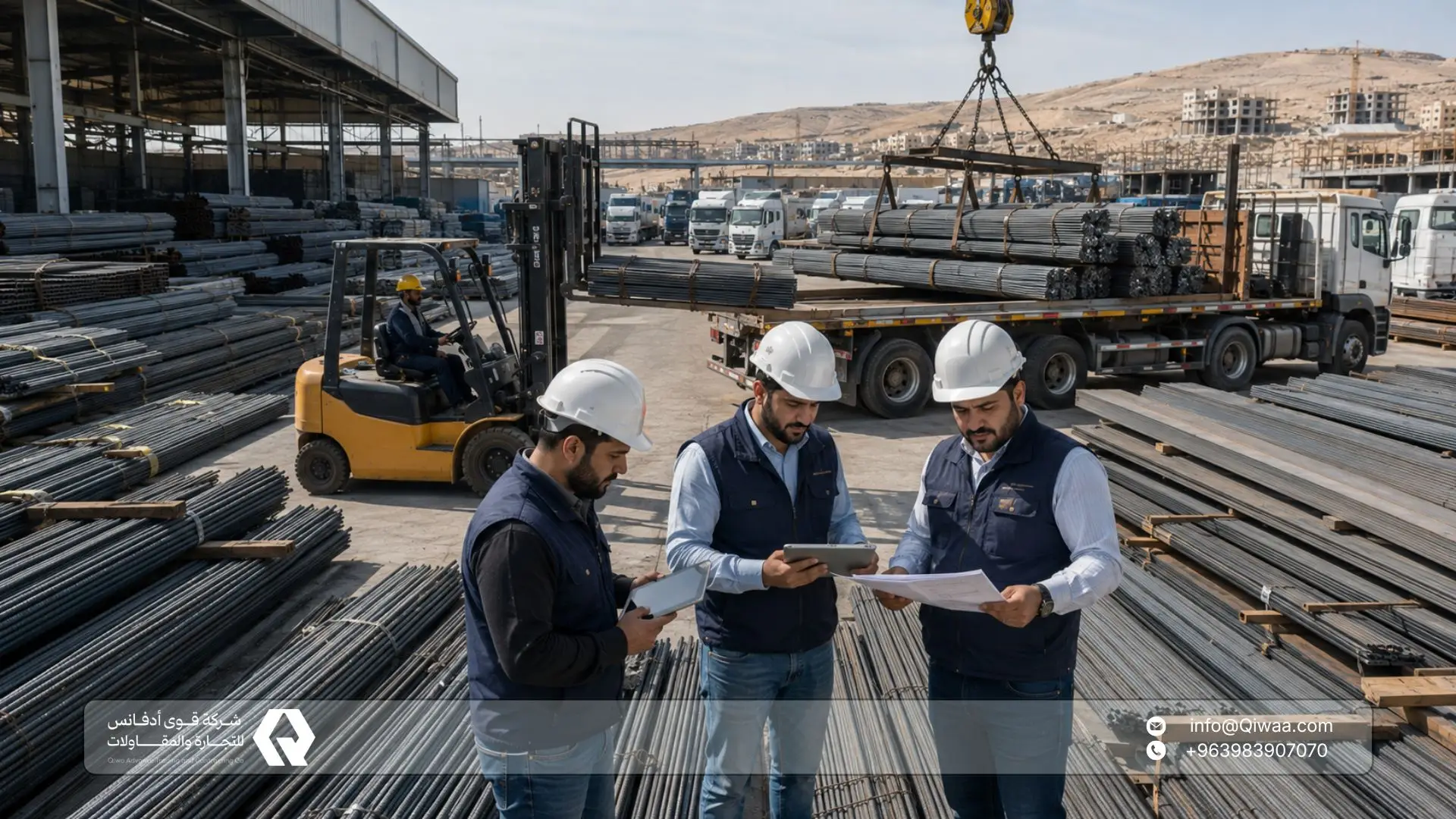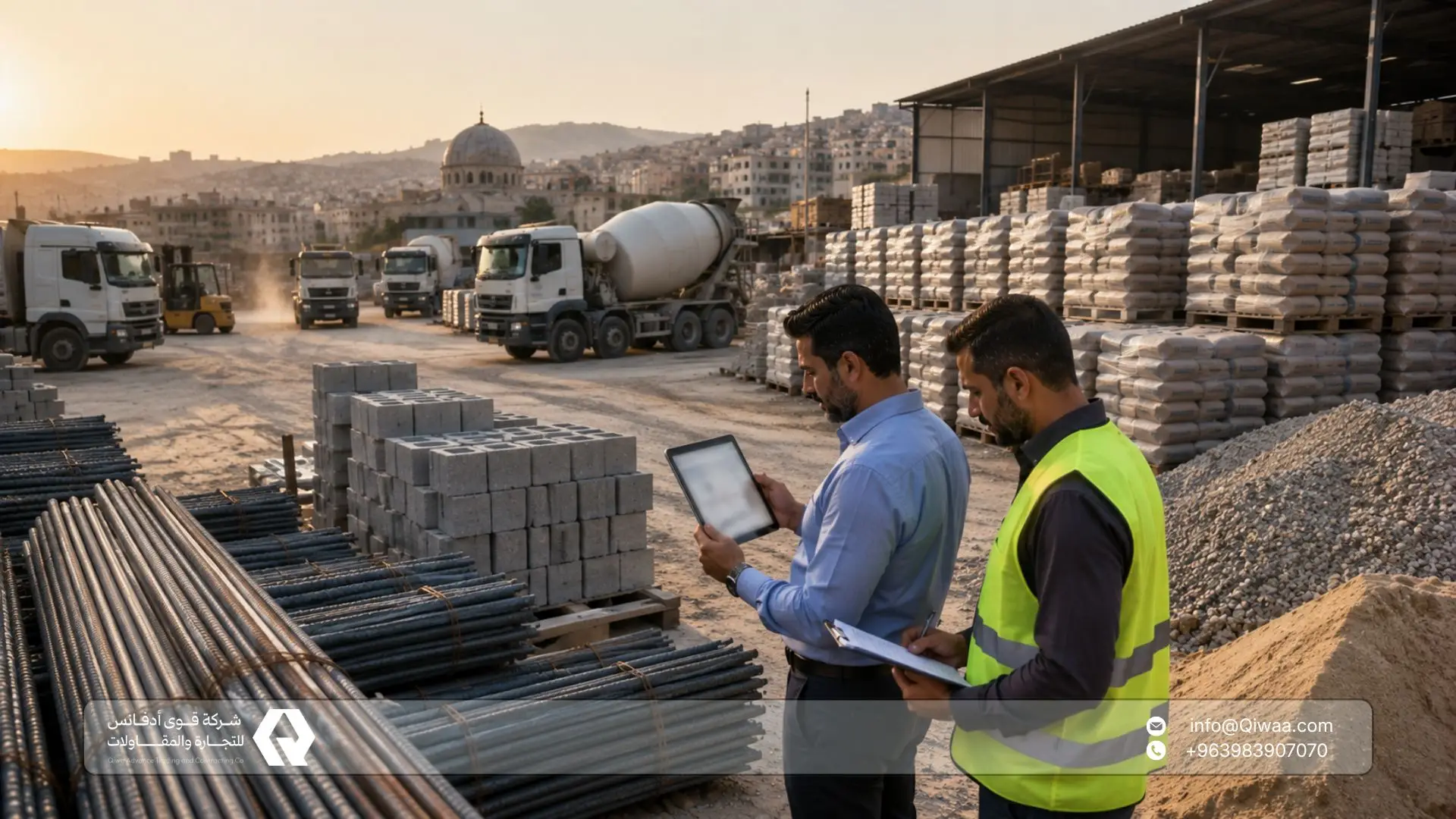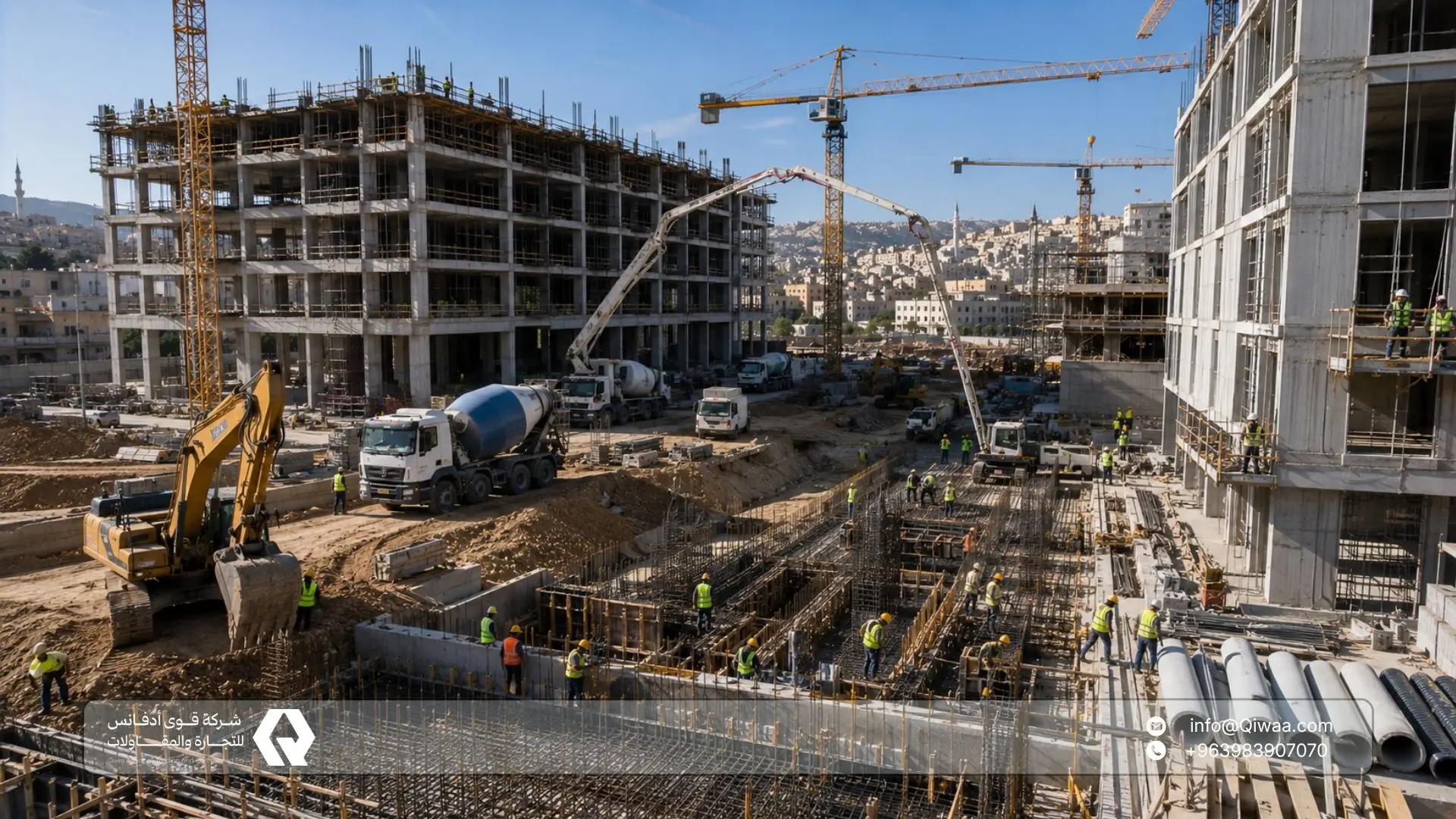


Importing building materials to Syria is a critical step in the country’s reconstruction phase. Residential, industrial, and infrastructure projects all require a steady supply of steel, cement, clinker, pipes, valves, finishing materials, and cementitious materials. As construction and restoration activity expands across Syria and Damascus, importing is no longer only about price. It also depends on documents, customs tariffs, technical specifications, shipping, clearance, and delivery schedules.
World Bank estimates indicate that rebuilding Syria’s physical assets may require around USD 216 billion. This explains the expected rise in demand for building materials and construction materials in Syria, while also highlighting the importance of an organized import process that serves contractors, investors, project owners, and infrastructure companies.
In this guide, we explain the procedures for importing building materials to Syria in 2026, the documents required for customs clearance, the impact of recent customs updates, and the role of Qiwaa Advance in supporting building materials supply, infrastructure projects, and construction materials sourcing in Syria and Damascus.
Why Does Importing Building Materials to Syria Require Advance Planning?
Importing building materials is different from importing ordinary consumer goods. These materials are usually heavy, ordered in large quantities, linked to technical specifications, and used directly in construction works where delays or quality mismatches can disrupt the entire project.
Any error in the customs HS code, certificate of origin, commercial invoice, technical specifications, or shipping schedule can lead to clearance delays, additional costs, or project disruption.
Planning becomes even more important when the materials are linked to large projects, such as:
- Housing and residential compound projects
- Water, wastewater, and infrastructure projects
- Industrial zones and warehouses
- Ready-mix concrete plants
- Road and utility projects
- Restoration and finishing works
- Contractor and real estate development projects in Syria and Damascus
Successful importing starts with defining the material accurately, matching the required specifications, choosing the country of origin, reviewing the customs tariff, preparing the documents, and selecting the most suitable shipping method.
Learn more: Commercial Fit-Out in Syria for Malls, Showrooms, and Car Showrooms
Building Materials Qiwaa Advance Supports Supplying to Syria
At Qiwaa Advance, we support construction and infrastructure projects in Syria through the supply of essential building materials and construction products, including:
- Iron, steel, and metal products
- Aluminum and metal profiles
- Pipes, valves, and water network components
- Building materials and cementitious materials
- Cement and clinker
- Slag, GGBS, and pozzolana
- Chemical admixtures for concrete
- Stone, marble, and granite according to project requirements
Our partnership with Amiantit in Syria is an important part of our solutions for pipe, tank, water network, and wastewater projects. Through this partnership, we support contractors, consultants, and project owners by helping with:
- Studying project requirements
- Defining technical specifications
- Reviewing quantities
- Organizing supply
- Coordinating with consultants, contractors, and project owners
- Ensuring that suitable materials reach the project at the right time
For companies looking for a building materials supplier in Syria or a construction materials supplier in Damascus, Qiwaa Advance helps connect project requirements with the right materials, partners, and supply process.
Read more: Tunnel Formwork in Syria: Benefits for Residential Tower Construction
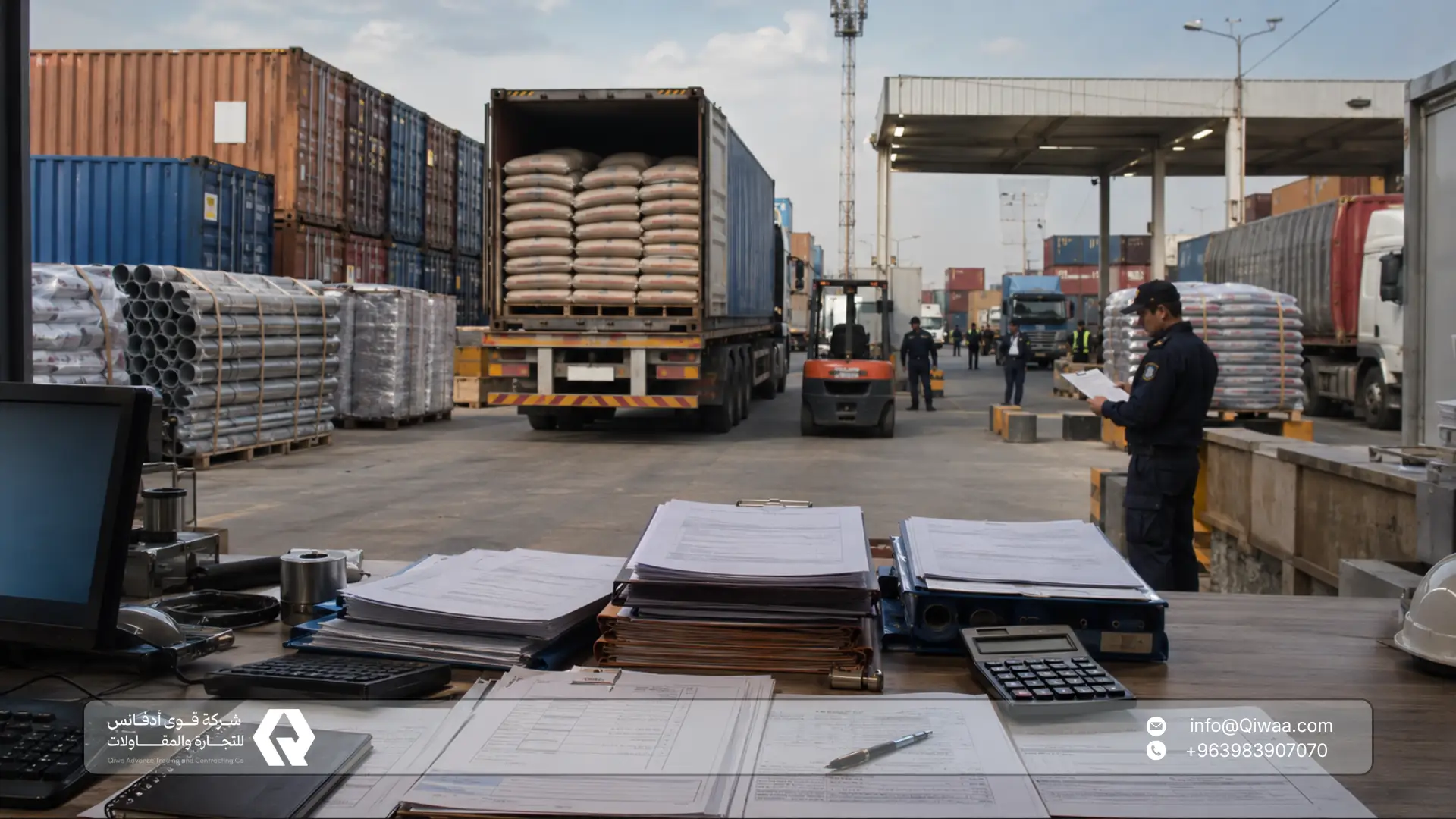
What Changed in Syrian Customs in 2026?
The year 2026 witnessed an important update in Syria’s customs framework. SANA announced the issuance of Decree No. 109 of 2026, which includes a new customs law replacing Laws No. 37 and 38 of 2006 and their amendments. Decree No. 110 of 2026 was also issued, including the harmonized customs tariff schedule, which came into effect on June 1, 2026.
According to SANA, the new customs law introduced a new structural and technological phase in customs administration, with a focus on modern technologies, international standards, and a balance between customs control and trade facilitation.
For importers, contractors, and construction companies in Syria, this means greater attention is needed when classifying goods, preparing documents, entering data, and dealing with approved customs systems.
For importing building materials to Syria in 2026, the most important practical impact is that importers need to treat the process as an organized workflow. It starts with the customs HS code and tariff, then moves to documentation, customs declaration, inspection, clearance, and final delivery.
Procedures for Importing Building Materials to Syria Step by Step
The exact procedures vary depending on the type of material, country of origin, shipping method, importing entity, and customs entry point. However, the practical process for importing building materials to Syria usually passes through the following stages.
1. Define the Material and Technical Specifications
The material must be defined accurately before requesting a quotation or arranging shipment. Importing rebar is different from importing aluminum profiles. Importing bulk clinker is different from importing packaged cement. Importing GRP or HDPE pipes is different from importing valves, fittings, or water network components.
At this stage, the following details must be identified:
- Commercial and technical name of the material
- Required quantity
- Sizes, diameters, or thicknesses
- Required technical standard
- Packaging method
- Final use
- Delivery location inside Syria
- Need for inspection or analysis certificates
This step is especially important for contractors in Syria and project owners in Damascus who need materials that match the technical requirements of the project, not only the available market price.
2. Review the Customs HS Code and Tariff
The customs HS code determines how the material is classified. It also affects customs duties, requirements, and procedures. With the adoption of the harmonized customs tariff schedule under Decree No. 110 of 2026, classifying building materials correctly has become an essential step before signing a contract or shipping the goods.
It is better to review the customs HS code early, especially for materials that may fall under more than one description, such as supplementary cementitious materials, metal products, chemical admixtures, or water network components.
This is a key point for any building materials importer in Syria, because inaccurate classification may delay clearance or change the final cost after arrival.
3. Verify Import Permission and Special Requirements
Some materials may require approvals or additional documents depending on their nature or use. Decisions issued in 2026 regarding import regulation showed that the list of allowed or suspended materials can change based on decisions by the relevant authorities, even when the published example relates to agricultural products rather than building materials.
Before shipping, it is necessary to verify:
- Whether the material is allowed for import
- Whether a license or approval is required
- Whether technical or standard requirements apply
- Whether there are restrictions related to the country of origin or material type
- Whether inspection or a certificate of conformity is required
This step helps reduce risk for construction materials import to Syria, especially when the shipment is linked to a live project schedule.
4. Prepare Shipping and Clearance Documents
Having the material available from the supplier is not enough. The shipment documents must be clear and must match the actual goods. Any mismatch in name, weight, origin, quantity, or HS code may lead to delay or a request for correction.
The main documents usually required include:
- Commercial invoice
- Packing list
- Certificate of origin
- Bill of lading or land transport document
- Analysis certificate or quality certificate when needed
- Catalog or technical datasheet for technical materials
- Insurance documents if required
- Approvals or licenses depending on material type
For contractors, suppliers, and import companies in Syria, document consistency is one of the most important factors in smooth customs clearance.
5. Enter the Customs Declaration Through the Approved System
Syrian Customs uses the ASYCUDAWorld system, and the Syrian ASYCUDA portal provides user guides for the unified customs declaration, user permissions, and customs-related procedures.
The user guide for the unified customs declaration in ASYCUDA also shows several customs models and import procedures, including release for consumption for the private sector.
This is where data accuracy becomes essential. The customs declaration connects the goods, importer, country of origin, value, customs HS code, shipping method, and applicable duties.
6. Inspection, Duty Payment, and Completion of Clearance
After the declaration is submitted, the shipment goes through inspection and conformity procedures depending on the material type and customs entry point. Duties and fees are then calculated according to the customs HS code and the approved tariff, before the goods are released and transported to the warehouse or project site.
For building materials, inspection is not only about the visible condition of the goods. It may also involve weight, specifications, certificate of origin, analysis certificate, or conformity with the declared use.
7. Inland Transport and Delivery to the Project
After customs clearance, another important phase begins: inland transport. Heavy materials such as steel, cement, clinker, pipes, marble, granite, and stone require a clear transport, loading, and storage plan.
The following points should be defined:
- Suitable truck type
- Loading and unloading method
- Storage location on site
- Protection from moisture, breakage, or contamination
- Delivery sequence according to the execution schedule
- Quantity inspection mechanism upon receipt
For a construction company in Damascus or an infrastructure contractor in Syria, inland logistics can affect project continuity as much as customs clearance itself.
Read more: Foreign Investment in Syria: How to Enter the Syrian Market Step by Step
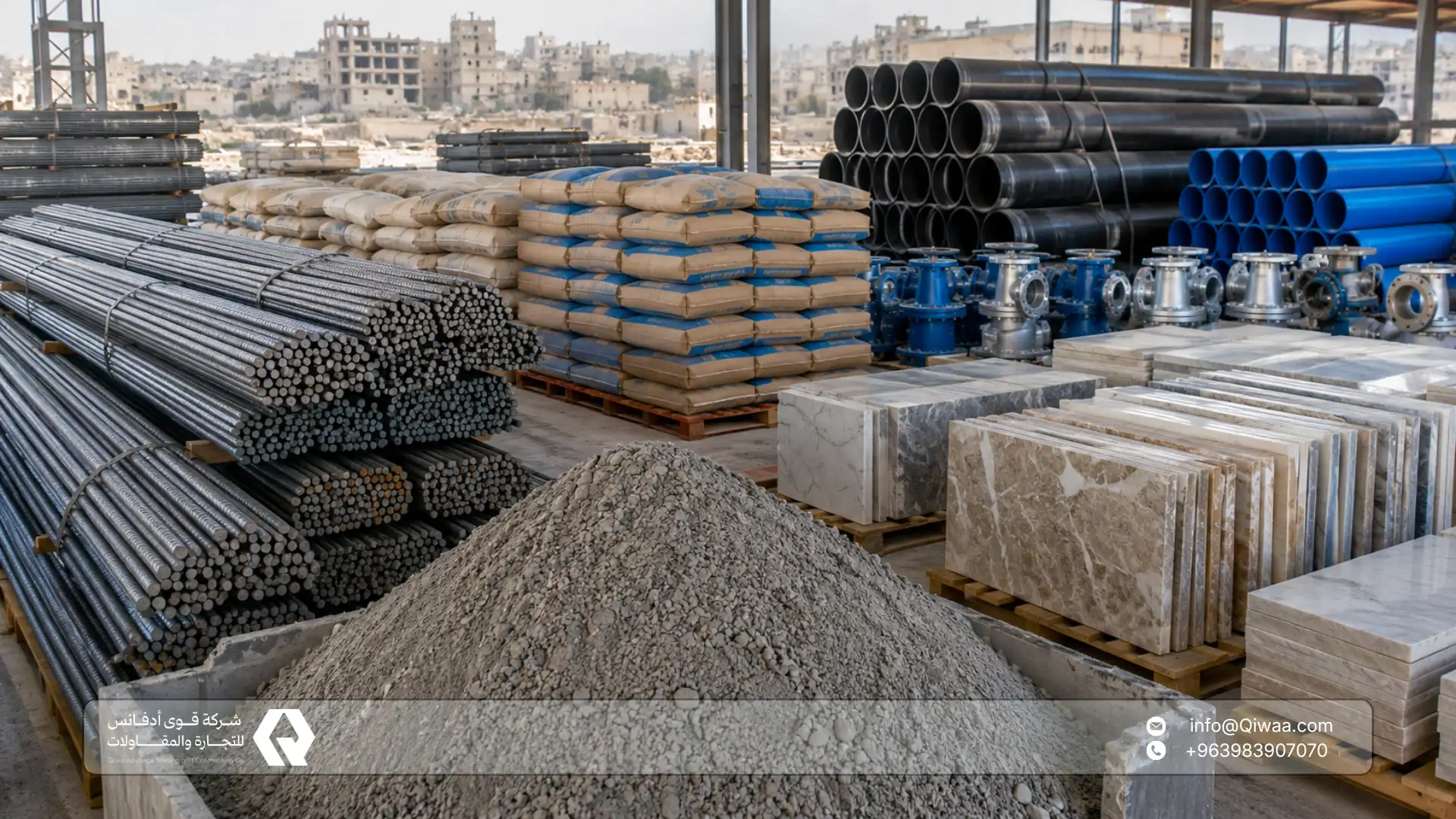
Building Material Import Requirements by Material Type
| Material Type | Key Requirements Before Shipping | Important Customs and Technical Points | Qiwaa Advance Support |
|---|---|---|---|
| Iron and steel | Define size, thickness, specification, quantity, and country of origin | Review customs HS code, certificate of origin, and quality certificates when needed | Supplying metal products and linking project needs with suitable materials |
| Cement and clinker | Determine whether the material is bulk or packaged, cement type, and analysis certificate | Weight, origin, transport method, and storage specifications | Supporting cement, clinker, and cementitious materials supply |
| Pipes and valves | Define diameter, pressure, material type, and use | Technical specification conformity, country of origin, and product documents | Pipe, valve, and water network component solutions |
| GGBS and pozzolana | Define use in the mix, fineness, activity, and moisture | Analysis certificate, mix testing, and consultant approval | Supplying cementitious materials and cement alternatives for projects |
| Chemical admixtures | Define admixture type, dosage, and use | Technical datasheet, safety certificate, and accurate customs classification | Supporting concrete materials according to project requirements |
| Stone, marble, and granite | Define size, thickness, finish, and packaging | Protection from breakage, certificate of origin, shipment weight and volume | Supplying finishing materials according to specifications |
| Aluminum and profiles | Define thickness, section, finish, and use | Product classification, certificate of origin, and dimensional conformity | Supplying profiles and metal products for projects |
| Infrastructure equipment and components | Define function, specification, and catalog | Technical documents, inspection, and suitable customs HS code | Connecting projects with specialized partners and suppliers |
Documents Required for Importing Building Materials to Syria
Building material shipments require an organized documentation file. The information must match across the commercial invoice, certificate of origin, shipping document, packing list, and customs declaration.
1. Commercial Invoice
The invoice should include the seller and buyer names, material description, quantity, price, currency, sales terms, country of origin, and shipping details. For building materials, the description must be accurate, such as the type of steel, pipe diameter, cement type, or marble finish.
2. Packing List
The packing list is important for shipments that include multiple items, especially finishing materials, marble, granite, pipes, fittings, valves, or metal profiles.
3. Certificate of Origin
The certificate of origin helps prove the country of production or manufacturing. It may affect shipment acceptance, duty calculation, or the application of any special requirements.
4. Transport Document
The document may be an ocean bill of lading, an air waybill, or a land transport document depending on the entry method. It must match the invoice and packing list in terms of weight, number of packages, and destination.
5. Technical Certificates
Technical materials often require certificates or reports, such as a clinker analysis certificate, steel quality certificates, chemical admixture datasheets, or pipe and valve catalogs. These documents help the importer, customs broker, and project owner understand the material before it enters the project.
For companies searching for building materials import to Syria or construction materials supply in Damascus, preparing these documents correctly is one of the key factors that supports a smoother import process.
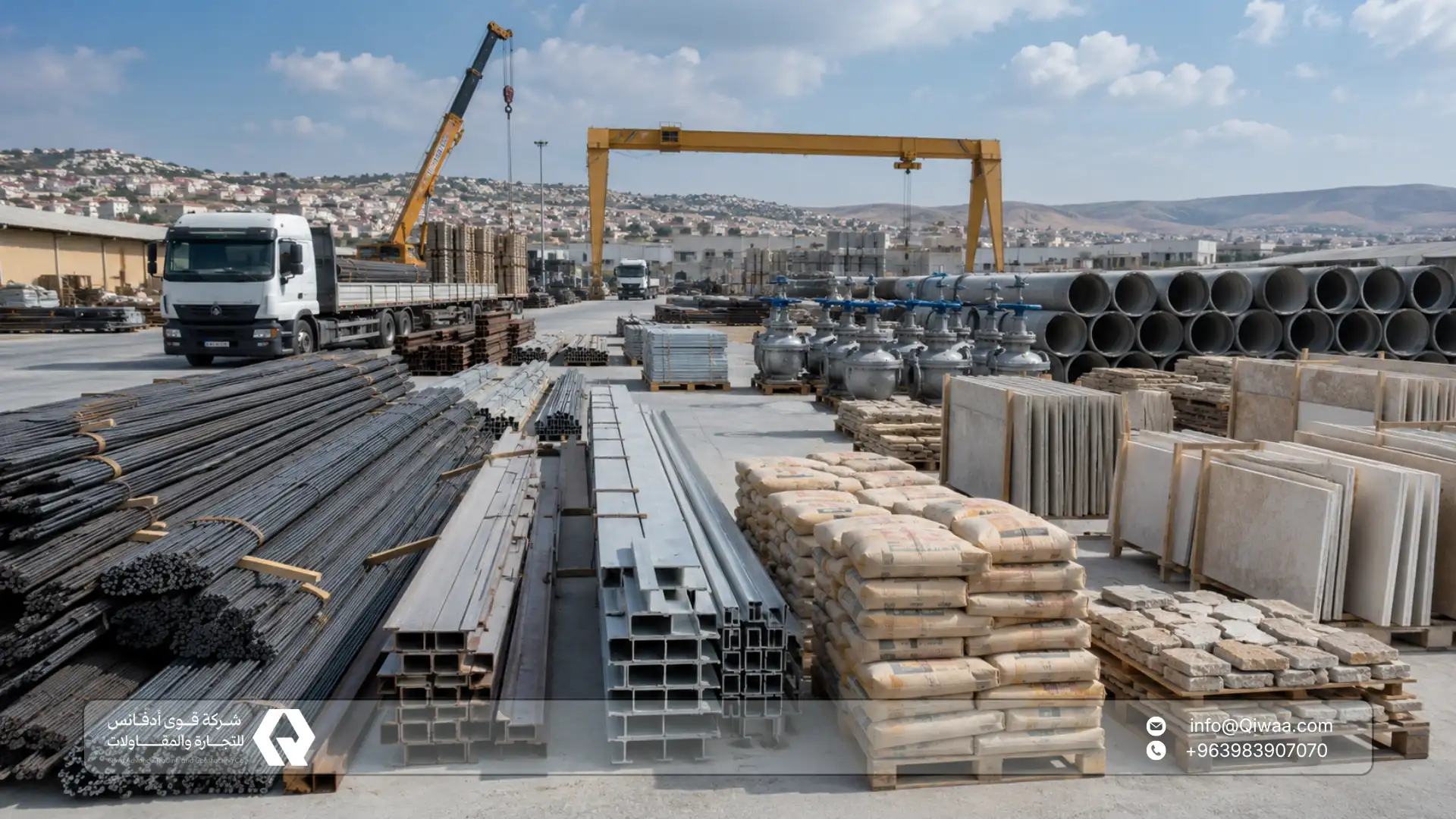
Importing Cement and Clinker to Syria
Cement and clinker are among the materials most closely connected to reconstruction projects. In March 2026, the General Company for Cement and Building Materials Manufacturing and Marketing, “Omran,” confirmed that clinker imports are being carried out gradually and in a studied manner to support the continuity of cement production in operating plants, based on market demand estimates and available production capacity.
This shows that importing clinker to Syria can be a practical option to support local production, especially when grinding clinker inside Syria is more feasible than importing ready-made cement in some cases. Local reports also point to a gap between cement production and demand, which increases the importance of organizing the supply of clinker and cementitious materials.
When importing cement or clinker, attention should be paid to:
- Material type and whether it is bulk or packaged
- Chemical analysis certificate
- Production or shipping date
- Storage method to prevent moisture
- Quantity and weight conformity
- Transport route from the port or border crossing to the plant or site
For a cement supplier in Syria or a construction materials importer in Damascus, clinker and cement imports require careful coordination between the supplier, customs broker, transport provider, and receiving facility.
Importing Iron and Metal Products to Syria
Importing iron to Syria is connected to construction projects, towers, bridges, warehouses, industrial facilities, and infrastructure works. The import process for rebar differs from the process for metal sections, sheets, profiles, or manufactured products.
Before shipping iron, the following must be defined:
- Exact product type
- Size, diameter, and thickness
- Required technical standard
- Bundle or coil weight
- Country of origin
- Quality or test certificate when needed
- Storage method on site
A common mistake in steel imports is focusing only on the price per ton. The right decision requires calculating shipping costs, customs duties, clearance, inland transport, waste, and whether the specification matches the project’s requirements.
Read more: Ceramic and Porcelain Tiles in Syria: Import Sources and Best Options
Importing Pipes, Valves, and Water Network Components
Water, wastewater, and infrastructure projects require pipes, valves, fittings, tanks, and operational components. These materials must meet accurate technical specifications, because an error in pipe type, operating pressure, or fitting type may cause problems during installation or operation.
Through its partnership with Amiantit, Qiwaa Advance supports projects that require pipe, tank, water network, and wastewater solutions. This includes studying operating pressure, soil conditions, network route, installation requirements, testing, and execution schedules.
When importing these materials, focus should be placed on:
- Pipe or valve type
- Operating pressure
- Diameter and thickness
- Final use
- Product certificates
- Storage method
- Installation and inspection plan
For infrastructure companies in Syria and contractors in Damascus, pipe and valve supply must be managed according to both technical requirements and project timelines.
Importing Finishing Materials, Stone, Marble, and Granite
Imported finishing materials include stone, marble, granite, ceramic, porcelain, doors, accessories, and some metal and glass products. These materials require special care in packaging, because damage to part of the shipment may affect the entire project, especially when there are specific color batches, patterns, or sizes.
When importing finishing materials, it is necessary to verify:
- Color, grade, and texture conformity
- Consistency of sizes and thicknesses
- Packaging and protection method
- Availability of a suitable spare quantity
- Compatibility with indoor or outdoor use
- Delivery organization according to finishing stages
For real estate developers and construction companies in Damascus, finishing materials supply requires coordination between design requirements, shipment timing, and on-site storage.
Customs Tariffs and Duties on Building Materials
Import costs cannot be determined accurately without knowing the customs HS code, country of origin, value, shipping method, duties, and fees related to the shipment. With the adoption of the harmonized customs tariff schedule in Syria in 2026, every material must be reviewed according to its correct HS code instead of relying on a general description such as “building materials.”
Factors that affect import cost include:
- Supplier material price
- Shipping cost
- Insurance
- Customs duties
- Clearance and handling fees
- Inland transport
- Storage
- Inspection or certificates
- Exchange rate changes or payment terms
For this reason, cost should be calculated at the project level, not only based on the price per ton or meter.
Common Mistakes When Importing Building Materials to Syria
Some mistakes are repeated in supply projects and can be avoided with early planning.
The most common mistakes include:
- Choosing the material before defining the technical specification
- Shipping before reviewing the customs HS code
- Weak coordination between the supplier, customs broker, and contractor
- Mismatch between invoice data, certificate of origin, or shipping document
- Failing to request analysis or quality certificates for technical materials
- Relying on a low price without calculating shipping and clearance
- Ignoring storage after customs release
- Not having alternative supply options if the shipment is delayed
- Delaying inspection until the material reaches the site
- Buying materials that do not suit the project’s final use
Avoiding these mistakes is especially important for any building materials importer in Syria, construction materials supplier in Syria, or contractor working on projects in Damascus.
How to Choose the Right Building Materials Supplier in Syria
The right supplier does not only sell the material. It also helps you understand the specification, quantity, packaging, shipping, documents, and delivery timeline. In the Syrian market, the ability to handle project requirements is more important than simply executing a separate purchase order.
When choosing a supplier, review:
- Experience in building materials
- Ability to provide clear certificates and documents
- Understanding of shipping requirements to Syria
- Ability to secure regular quantities
- Availability of alternatives when a material is short
- Clear payment and delivery terms
- Ability to support the project after delivery
For companies searching for a building materials supplier in Syria, a construction materials supplier in Damascus, or a building materials import company in Syria, the supplier’s technical and logistical capability matters as much as the material itself.
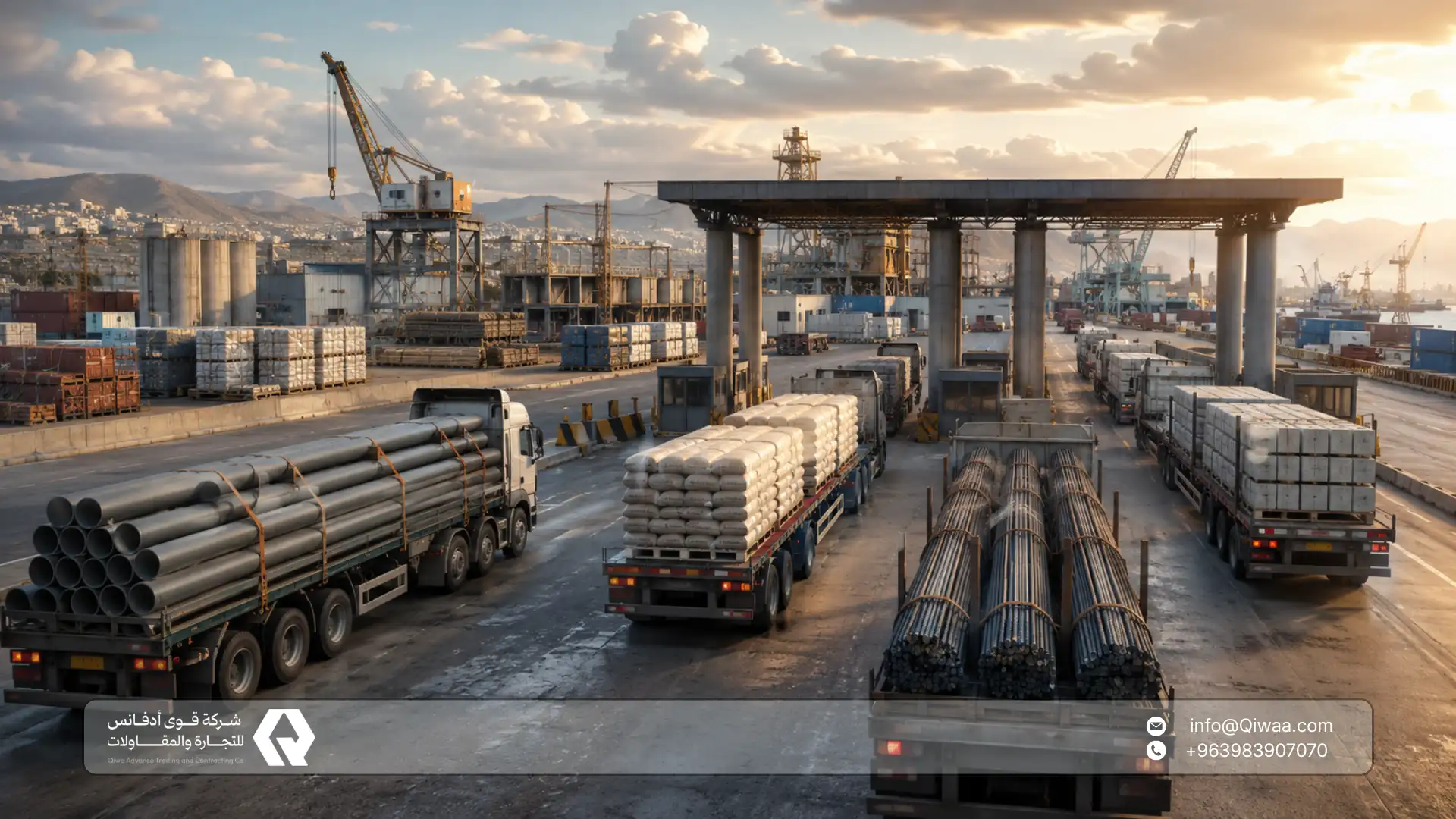
Qiwaa Advance: A Trusted Building Materials Importer in Syria
Qiwaa Advance supports building materials import projects to Syria by combining supply, technical knowledge, partnerships, and experience in infrastructure and building materials projects. We help contractors, investors, and project owners turn project needs into a clear supply plan.
Our services include:
- Defining suitable materials according to project type
- Studying required specifications and quantities
- Supplying iron, steel, and metal products
- Supplying aluminum and metal profiles
- Supplying pipes, valves, and water network components
- Supplying cement, clinker, GGBS, pozzolana, and cementitious materials
- Supplying chemical admixtures for concrete
- Supplying stone, marble, granite, and finishing materials
- Connecting projects with suitable supply sources and partners
- Organizing the supply chain according to the execution schedule
- Supporting projects during execution when new requirements appear
Qiwaa Advance works in industrial and commercial supply, contracting, infrastructure, water, building materials, and treatment plants. This makes its role broader than a standalone material supplier, especially for projects that need construction materials sourcing, customs coordination, and reliable supply planning in Syria and Damascus.
Contact Qiwaa Advance to study your project’s needs for building materials, steel, cement, clinker, pipes, valves, cementitious materials, or finishing materials inside Syria.
Frequently Asked Questions About Importing Building Materials to Syria
1. What are the most important documents for importing building materials to Syria?
The basic documents usually include the commercial invoice, packing list, certificate of origin, shipping document, customs declaration, and technical certificates when needed. Some materials may also require additional approvals or licenses depending on their type and use.
2. Did customs procedures in Syria change in 2026?
Yes. Decree No. 109 of 2026 was issued, introducing a new customs law. Decree No. 110 of 2026 was also issued, including the harmonized customs tariff schedule, which came into effect on June 1, 2026. Therefore, classification and tariff review should be completed before shipping.
3. Can cement and clinker be imported to Syria?
Yes. Omran Company announced that clinker imports are being carried out gradually and in a studied manner to support the continuity of cement production in operating plants. However, specifications, packaging method, certificates, and customs HS code must be defined before shipping.
4. What are the most in-demand building materials for import to Syria?
Important materials include iron and steel, cement and clinker, pipes and valves, water network materials, aluminum, finishing materials, marble and granite, chemical admixtures, and alternative cementitious materials such as GGBS and pozzolana.
5. Why should the customs HS code be defined before importing building materials?
Because the customs HS code determines the tariff, duties, and requirements related to the material. Choosing an inaccurate code may delay clearance or change the final cost after the shipment arrives.