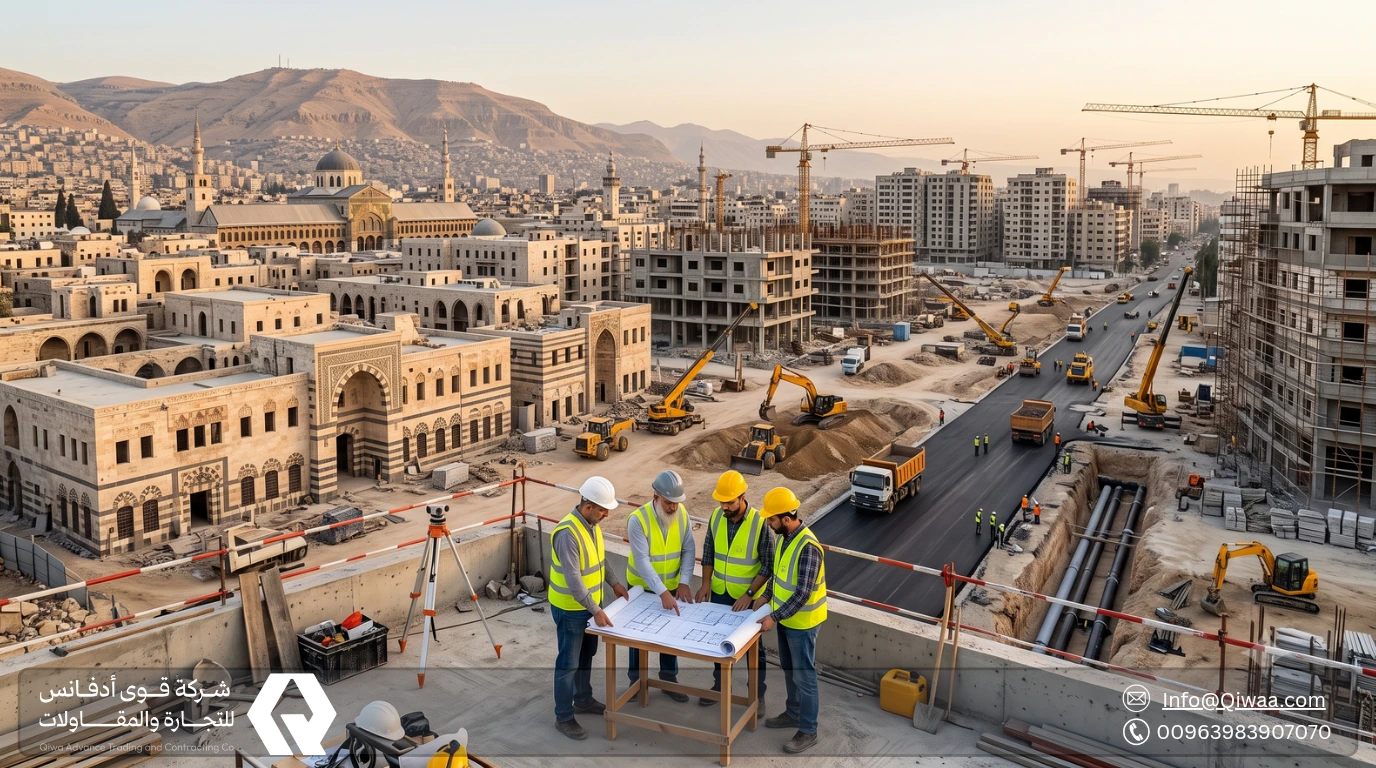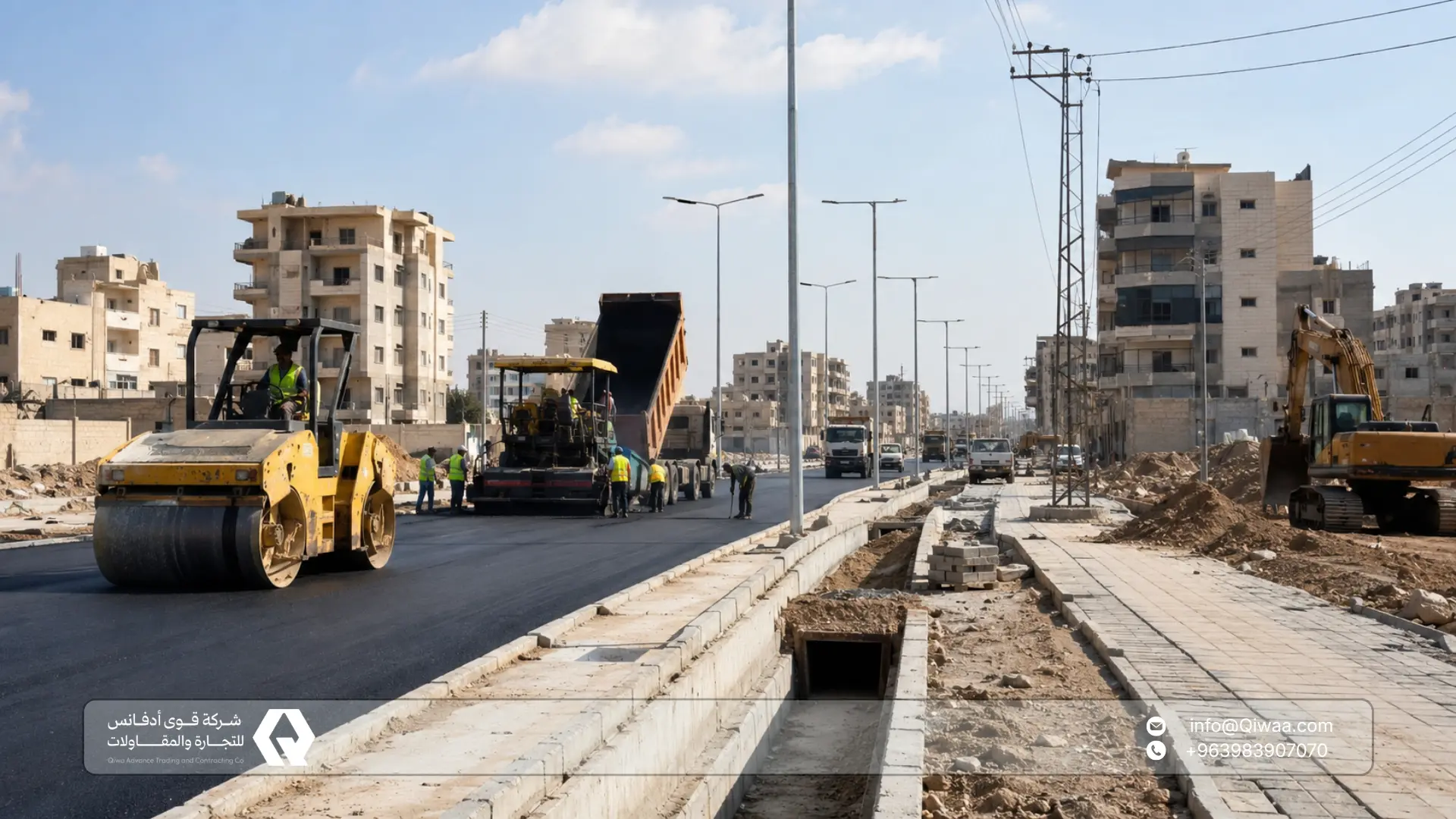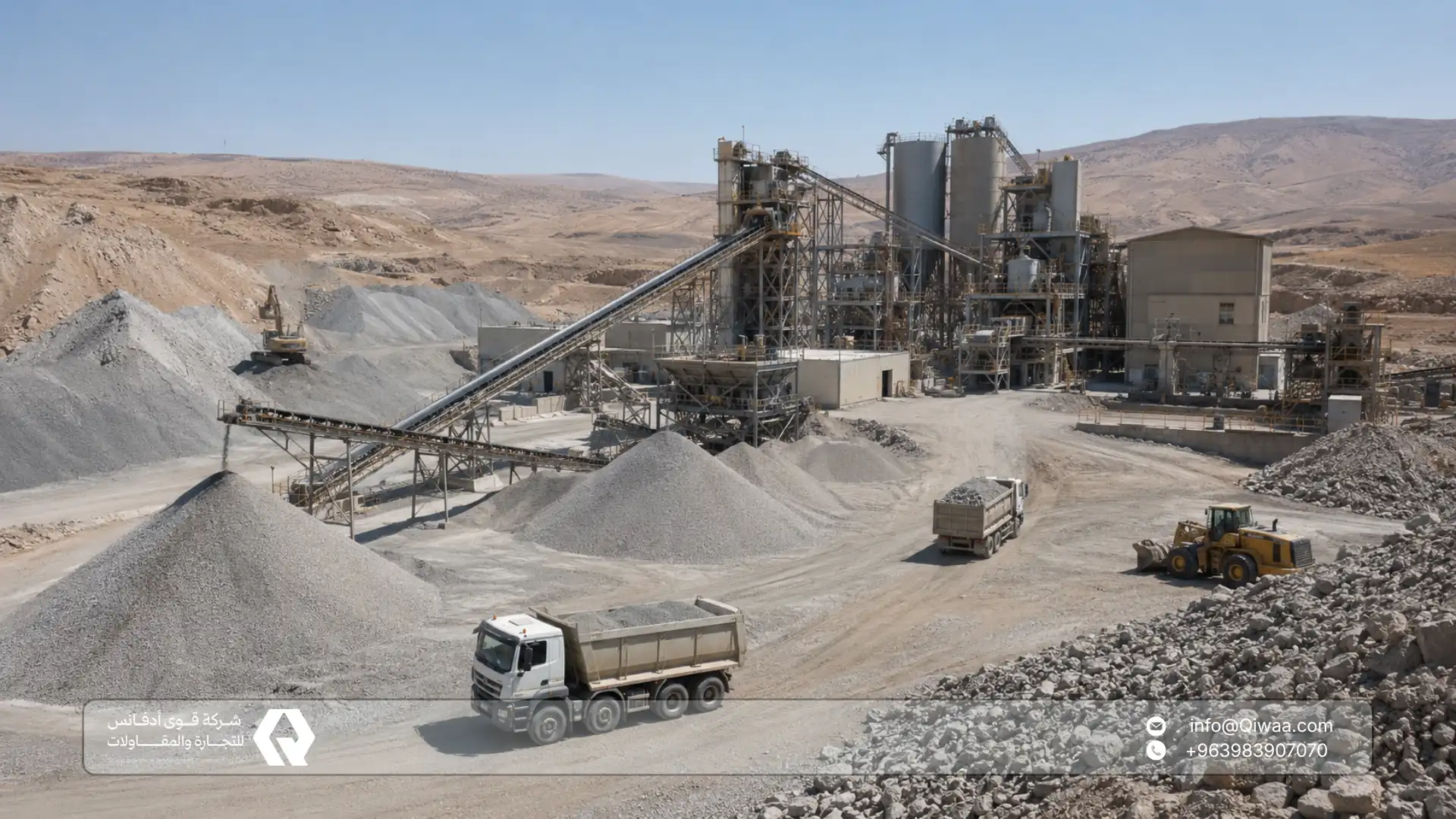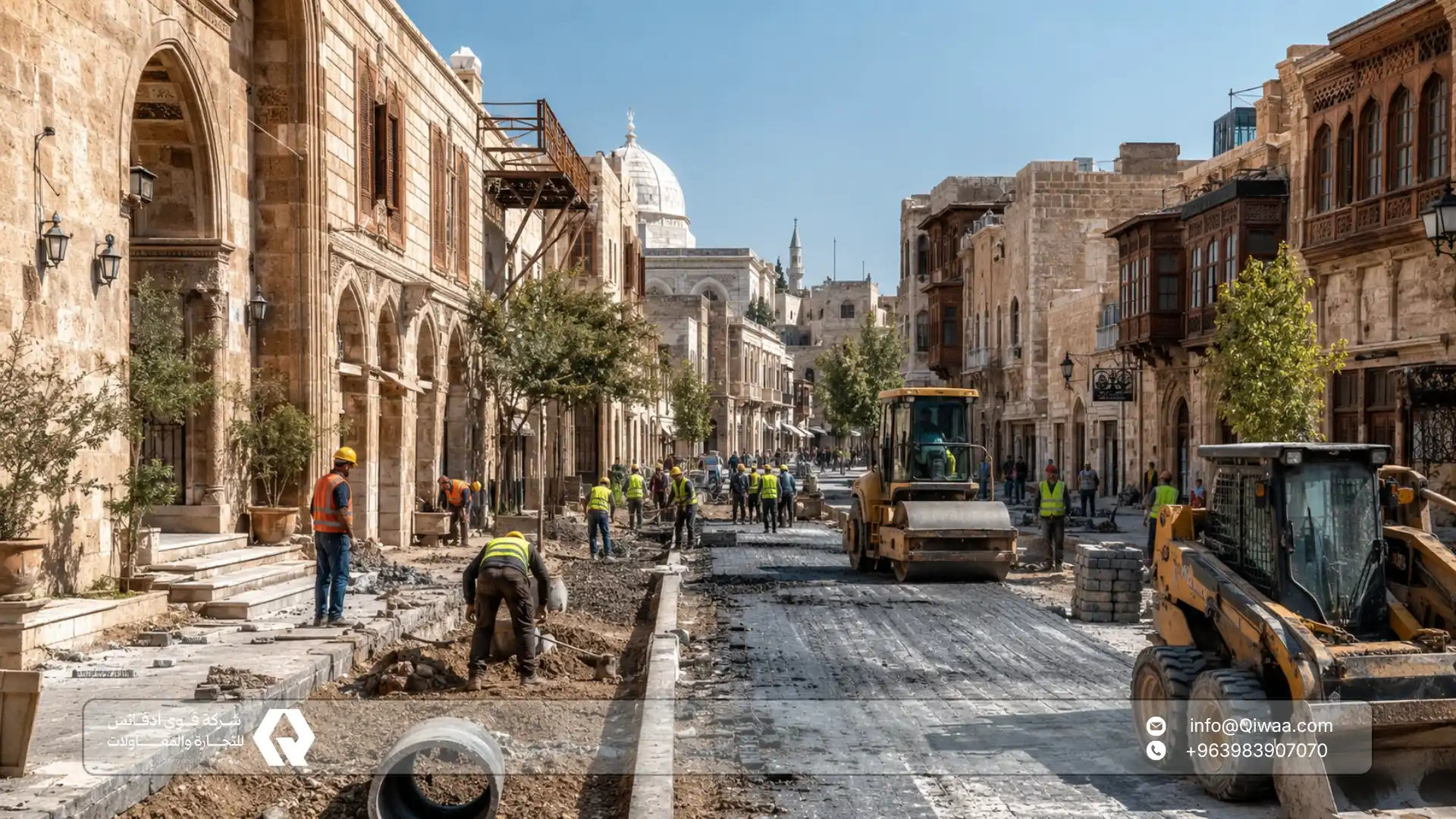


foreign investment in Syria represents an important opportunity during a phase of economic, urban, and industrial reshaping, especially in sectors connected to infrastructure, energy, industry, agriculture, mining, water, building materials, real estate development, and reconstruction-related services.
However, successful market entry requires more than choosing an opportunity that looks profitable on paper. A foreign investor needs an organized entry method that reduces risk, clarifies the legal path, and connects capital with a local partner who understands the market, supply, execution, official authorities, and the operational reality inside Syria.
The Syrian Investment Agency explains that its role includes preparing the investment environment, providing facilities for investors, and supporting projects across different sectors. For this reason, foreign investment in Syria should be based on both an official and practical reading of the market, with a clear study of demand, laws, licensing, location, and supply chains before making the decision.
At Qiwa Advance, we approach foreign investors from a clear execution perspective: how can interest in the Syrian market become a project that can be studied, then transformed into supply, execution, or an operational partnership that can be managed on the ground? Through our work in trading, contracting, industry, mining, and supply, we can support investors in understanding project needs and connecting them with implementation realities inside Syria.
Before Entry: Is the Syrian Market Suitable for Your Project?
The first mistake a foreign investor may make is treating Syria as one uniform market. In reality, the Syrian market differs from one sector to another and from one governorate to another. Opportunities for foreign investment in Syria vary across industry, agriculture, infrastructure, water, mining, real estate, energy, and services.
Before discussing licensing or company establishment, the investor should start with a clearer question: is there real demand for the product or service I want to offer? Can the market absorb the project cost? Are there enough infrastructure, supply chains, and labor resources to operate it?
Market suitability can be assessed through:
- Expected local demand.
- Possibility of selling to the public or private sector.
- Availability of raw materials or ease of importing them.
- Proximity to ports, crossings, or industrial cities.
- Readiness of electricity, water, roads, and services.
- Availability of technical and administrative labor.
- Possibility of exporting later to nearby markets.
This stage requires a precise initial study that prevents entry into a project that looks attractive in theory but is difficult to execute on the ground.
Read More: GGBS and Pozzolana Supply in Syria: Cement Alternatives for Green Concrete
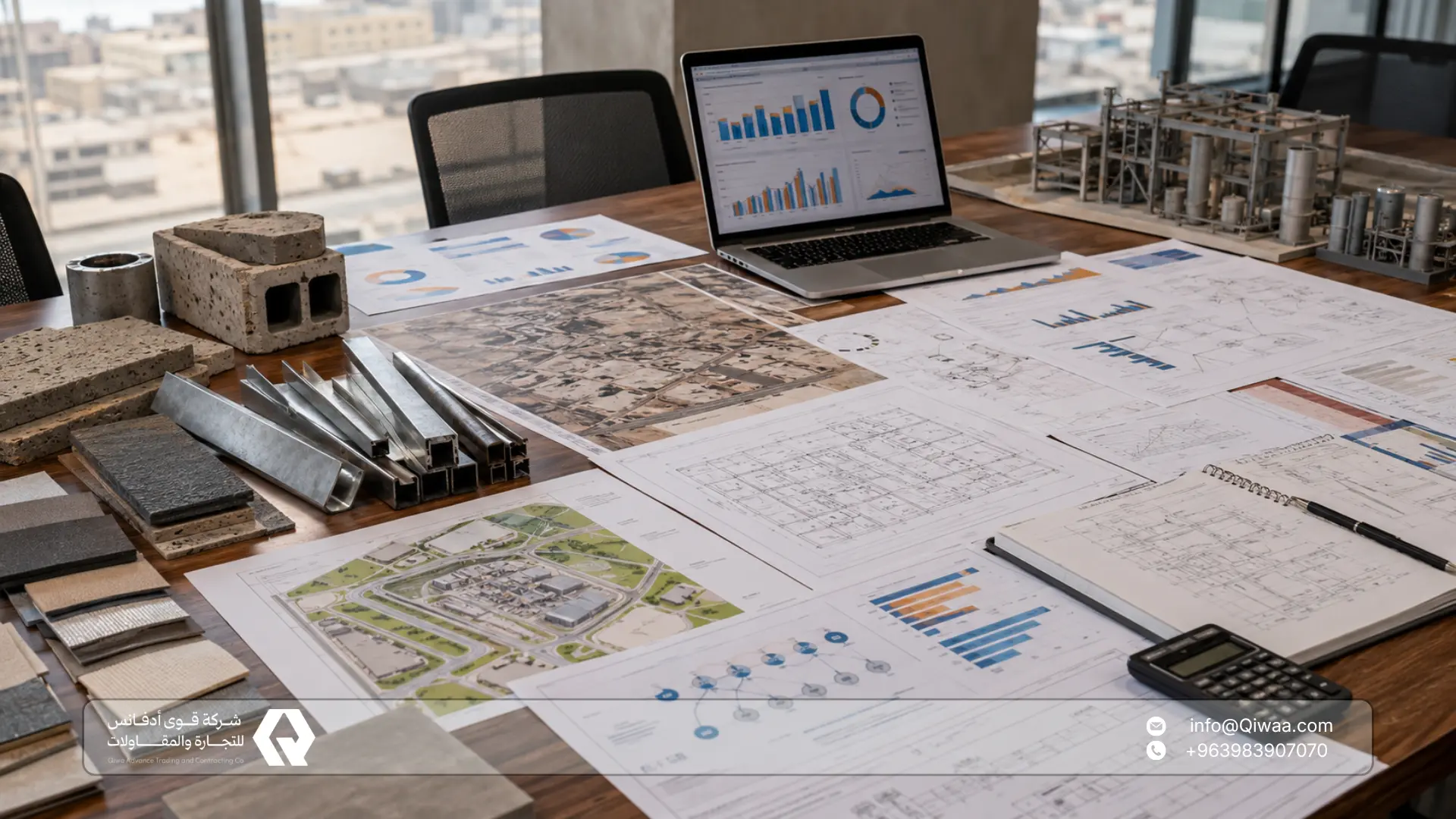
Step One: Choose the Right Entry Model
Not every foreign investor needs to establish a large project from the beginning. Sometimes, the smarter way to enter the market is through supply, an execution partnership, a distribution agreement, or a limited pilot project before moving into long-term investment.
A foreign investor can consider more than one entry model.
1. Commercial Supply
This model suits companies that want to test the market by selling materials, equipment, or ready solutions, such as pipes, valves, industrial equipment, building materials, water systems, or products related to infrastructure.
2. Partnership with a Local Contractor or Executor
This model suits companies that have technology, products, or funding but need a local party that understands execution, sites, labor, supply, and coordination with relevant authorities.
3. Establishing a Direct Investment Project
This model suits investors who want to establish a factory, plant, treatment station, industrial project, agricultural project, or long-term service facility.
4. Entry Through a Pilot Project
This is an important option in the Syrian market because it allows the investor to test suppliers, costs, authorities, labor, and execution speed before injecting large capital.
At Qiwa Advance, we help investors read these options from a practical perspective: should they begin with supply? Do they need an execution partner? Is the project suitable for direct establishment? Or is it better to start with a scalable pilot phase?
Step Two: Understand the Legal Framework Before Signing Any Commitment
Law is a core part of the entry decision from the beginning because the investment form, activity type, ownership, incentives, licenses, taxes, labor, and project obligations all affect feasibility.
According to Decree No. 114 of 2025, which amended certain provisions of the Investment Law, investment is defined as deploying capital to establish, expand, develop, finance, own, or manage a project. The decree also defines the investor as a Syrian or non-Syrian natural or legal person who invests in Syria under the provisions of the decree.
The decree also defines the investment license as the document granted by the Authority after studying the investor’s application and obtaining the required licenses and approvals. This makes understanding the legal path a fundamental part of any plan related to foreign investment in Syria.
Before signing a land contract, purchasing equipment, or agreeing with a supplier, the investor should define:
- Does the project require an investment license?
- Which authority or authorities grant the approvals?
- Is the activity allowed for foreign investors?
- Does the project need an industrial, environmental, or construction license?
- Does it require industrial land, a development zone, or a private location?
- What are the tax and customs obligations?
- Are there suitable incentives for this type of project?
It is better for the investor to move along two parallel tracks: market study and licensing study.
Also Read: Ready-Mix Concrete Plant in Syria: A Guide for Contractors and Investors
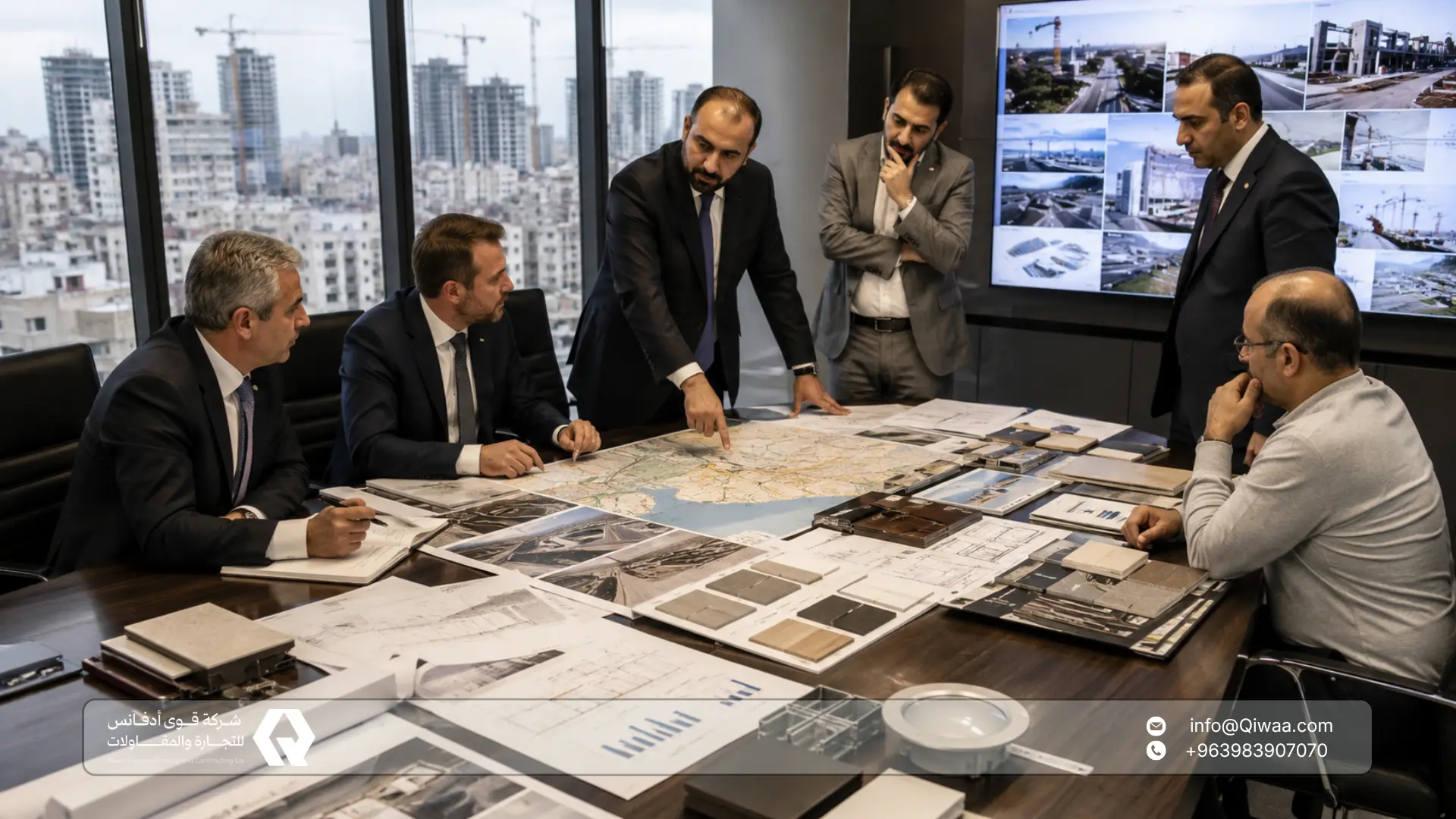
Step Three: Choose the Execution Location Carefully
Choosing the sector is important, but choosing the project location is equally important. An industrial project may be strong, yet still struggle because it is far from raw materials, lacks infrastructure, or faces high transport costs.
Through its investment map, the Syrian Investment Agency allows investors to explore available opportunities by sector and governorate, which reflects the importance of connecting the project type with its execution location.
When choosing the location, the investor should study:
- Proximity to the target market.
- Proximity to raw materials.
- Availability of labor.
- Roads and transportation.
- Electricity and water.
- Land or rental cost.
- Proximity to ports or crossings.
- Future expansion potential.
- Safety and environmental requirements.
For example, a building materials project must calculate transport cost carefully, while a water or treatment project needs proximity to service points or existing infrastructure. An export-oriented project needs a clear logistics route.
Step Four: Find a Local Execution Partner
In emerging markets or markets passing through reconstruction, having a local partner can save significant time, provided that the partner is an execution partner who adds real value to the project.
A strong local partner helps with:
- Reading the market as it actually is.
- Understanding execution cost on the ground.
- Reaching suitable suppliers.
- Managing operational risks.
- Coordinating supply and transport.
- Dealing with contractors and labor.
- Understanding technical authority requirements.
- Following up the project after operation begins.
A strong local partner makes foreign investment in Syria more connected to execution reality, especially in projects that depend on location, materials, labor, licenses, and supply.
Read Also: Heritage Building Restoration in Syria: Solutions for Reconstruction 2026
Step Five: Build an Execution-Based Feasibility Study
Many feasibility studies focus on figures: capital, revenues, expenses, and expected return. These elements are important, but entering the Syrian market also requires an execution-based feasibility study that connects numbers with operational reality.
The execution study should answer questions such as:
- Where will the materials come from?
- Can suppliers commit to the required quantities?
- What are the alternatives if the supply chain is disrupted?
- How long will equipment entry take?
- Is there enough labor?
- Is the infrastructure ready?
- What is the cost of transport and storage?
- Does the project need a contracting partner?
- What risks could delay operation?
The financial study tells you whether the project is profitable. The execution study tells you whether the project can actually be implemented. In the Syrian market, this question is central for any foreign investor.
Read more: Phosphate Investment in Syria 2026: Mining, Processing, and Export Opportunities
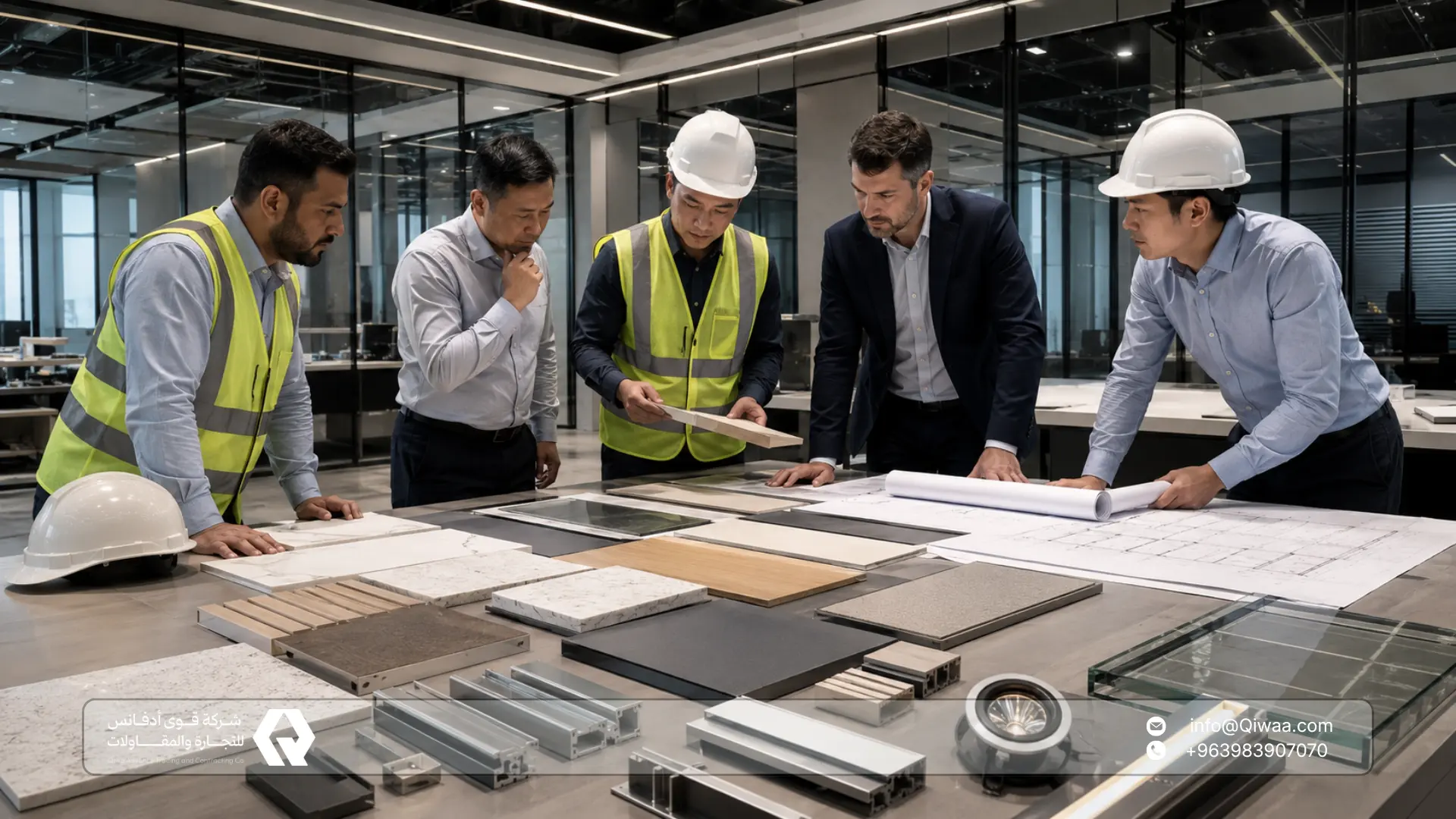
Step Six: Start with a Measurable Project Before Expansion
Smart entry does not mean starting with the largest possible size. In many cases, it is better for the investor to begin with a first measurable phase, then expand after testing the market, supply chains, and operations.
The first phase may be:
- A limited supply contract.
- A pilot production line.
- A partnership in one project.
- Rehabilitation of an existing facility.
- Execution of part of the infrastructure.
- A distribution test in a specific governorate.
- Supplying materials to a contractor or project owner.
This method gives the investor a realistic picture of prices, commitment, demand, quality, and operating costs. It also reduces the risk of entering with large capital before understanding the daily details of the market.
Step Seven: Pay Attention to Supply and Logistics from the Beginning
In investment projects, logistics may seem like an execution detail, but in Syria it can be a decisive factor in project success. Materials and equipment must arrive at the right time, in the right quantities, and with clear specifications.
The investor should prepare an early plan for:
- Local and external supply sources.
- Shipping schedules.
- Clearance and entry procedures.
- Storage.
- Internal transport.
- Alternative suppliers.
- Specification conformity.
- Material inspection upon receipt.
Any serious plan for foreign investment in Syria should connect capital with the supply chain because material delays or weak supply can change the entire project cost and schedule.
Also Check: Mall Construction in Syria: Building Commercial Malls and Shopping Complexes
Step Eight: Read Incentives and Obligations Together
Incentives are important, but they are only part of the picture. A foreign investor should read incentives together with obligations because the project succeeds through legal compliance and operating capability.
Decree No. 114 of 2025 includes customs incentives for certain imports of machinery, production lines, and equipment. It also grants the foreign investor temporary renewable residency until the investment license is issued, the project is completed, and operations begin.
The decree also includes tax incentives for certain projects, including agricultural and animal production projects and projects established in development zones or specific sectors.
At the same time, the decree mentions investor obligations, such as:
- Insuring the project.
- Keeping accounts according to international accounting standards.
- Paying taxes and fees according to applicable laws.
- Complying with environmental legislation and occupational safety requirements.
- Using Syrian companies and local labor at a rate of no less than 60% of total workers, with the possibility of requesting an exception when skills are unavailable.
Reading incentives and obligations together helps the investor build a more realistic decision about the project’s feasibility and operating path.
Step Nine: Design Contracts to Protect the Project
In foreign investment in Syria, a contract is not just a price agreement. It should protect the project from disruption and clearly define responsibilities, delays, price changes, nonconforming specifications, force majeure, payment mechanisms, arbitration, and termination.
Core contracts should include:
- Detailed scope of work.
- Technical specifications.
- Supply or execution schedule.
- Inspection and acceptance conditions.
- Price adjustment mechanism when needed.
- Responsibilities of each party.
- Payment terms.
- Performance guarantees.
- Dispute resolution mechanism.
- Applicable law.
- Limits of liability.
The investment law amendments indicate that investment disputes may be settled through amicable methods such as conciliation and mediation, or arbitration according to relevant laws and agreements, or through the competent courts. The text also allows the establishment of an arbitration center for investment disputes within the Authority or another entity depending on the case and necessity.
This means contracts should be part of risk management and should be drafted to protect the project throughout execution and operation.
Read more: Microsilica and Fly Ash Supply in Syria In high-performance concrete projects
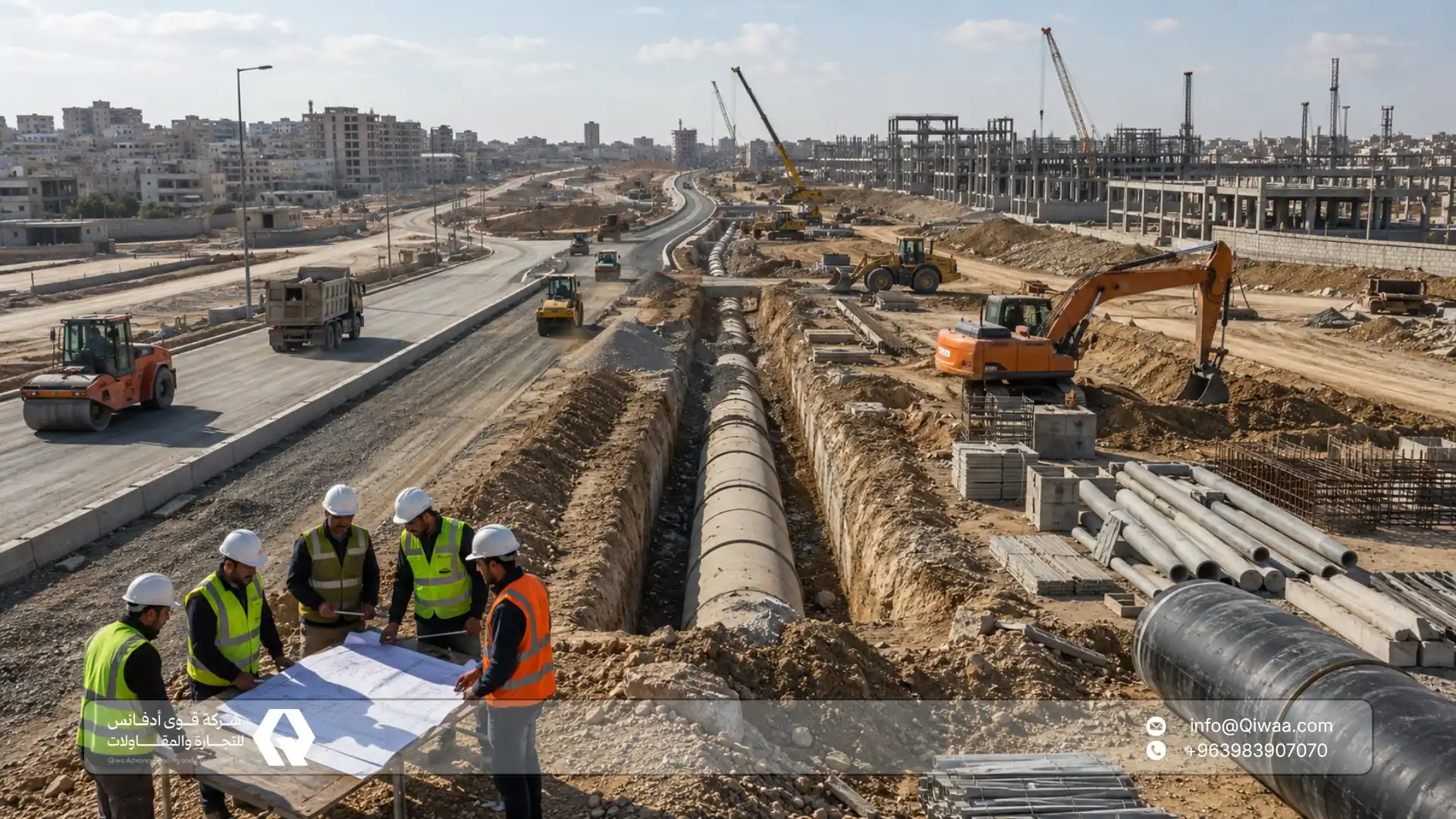
Step Ten: Build a Local Operating Plan from the Beginning
Investment success does not end with licensing or establishment. The more difficult stage is often operation: labor, maintenance, suppliers, quality, sales, financial management, and reporting.
The operating plan should define:
- Who manages the project daily?
- Who monitors quality?
- Who follows up with suppliers?
- How will maintenance be handled?
- What are the performance indicators?
- How will accounting and reporting be managed?
- What is the expansion plan?
- What is the plan for dealing with material shortages or price changes?
In industrial and construction projects, the investor should also think about labor training, knowledge transfer, and preparing a local team capable of operating the project without full dependence on foreign management.
Common Mistakes When Entering the Syrian Market
Even a serious investor can make mistakes that can be avoided through proper planning. The most common mistakes include:
- Choosing a good sector in an unsuitable location.
- Relying on a general study without field verification.
- Signing contracts before understanding the licensing path.
- Choosing a local partner who does not add execution value.
- Ignoring transport and storage costs.
- Oversizing the first phase.
- Having no alternative suppliers.
- Ignoring labor, safety, and environmental requirements.
- Treating incentives separately from obligations.
- Entering the market without a clear operating plan.
These mistakes confirm that foreign investment in Syria needs sequencing, realism, and a partner who understands the market from a practical angle.
How Qiwa Advance Helps You Enter the Syrian Market
At Qiwa Advance, we treat foreign investor entry into the Syrian market as a practical path that requires market reading, project understanding, material sourcing, execution on the ground, and connection with suitable partners.
Through our work in supply, contracting, industry, infrastructure, water, building materials, and mining, we can support the investor across more than one stage, whether the target is market entry through an industrial project, infrastructure project, material supply, real estate development, mining, or rehabilitation of existing facilities.
1. Studying the Opportunity Before Injecting Capital
We help the investor read the project from an execution perspective. Before establishment or contracting begins, it is important to understand whether the project can be implemented inside the Syrian market and what it needs in terms of materials, location, infrastructure, local partner, or execution contractor.
We can support this stage through:
- Evaluating the project’s need for materials, equipment, and services.
- Reviewing site and infrastructure requirements.
- Identifying expected challenges in supply or execution.
- Estimating whether the project is ready to start or needs preliminary phases.
- Helping the investor choose the most suitable entry model: supply, partnership, execution, or direct investment.
2. Industrial and Commercial Supply
One of the most important needs of a foreign investor entering the Syrian market is access to reliable materials and products, especially in industrial, construction, and infrastructure projects.
At Qiwa Advance, we can support investors by supplying materials and products used across multiple sectors.
Our supply fields include:
- Steel, iron, and metal products.
- Aluminum and metal profiles.
- Pipes, valves, and water network components.
- Building materials and cementitious materials.
- Cement, clinker, slag, GGBS, and pozzolana.
- Chemical admixtures for concrete.
- Stone, marble, and granite according to project needs.
- Products and components serving infrastructure and industrial sectors.
This helps the investor reduce fragmentation between multiple suppliers and connect project needs with a supply source that understands execution realities inside the Syrian market.
3. Contracting and Project Execution
An investor may have a clear idea or suitable funding but still need a party capable of turning the project into reality. This is where our contracting experience becomes important.
We can support projects that need execution or management of works related to infrastructure, water, treatment, construction, and finishing.
Our contracting areas include:
- EPC infrastructure projects.
- Water networks and distribution components.
- Desalination and water treatment plants.
- Sewage and industrial wastewater treatment plants.
- Concrete works and modern construction.
- Fuel station execution.
- Interior finishing works.
- Rehabilitation and restoration according to project type.
This gives the foreign investor an opportunity to work with a local party capable of understanding site requirements, coordinating works, and managing an important part of execution inside Syria.
4. Supporting Water and Infrastructure Projects
Water, sewage, and treatment projects are among the sectors most connected to reconstruction and development. Qiwa Advance can be a suitable partner for investors targeting infrastructure projects or industrial and service projects that require water solutions and stable operation.
We can support these projects through:
- Supplying pipes, valves, and network components.
- Supporting water and treatment plant projects.
- Providing solutions related to sewage and industrial water.
- Coordinating with suitable partners and agents according to project type.
- Connecting technical solutions with site and execution requirements.
5. Industry and Building Materials
Our role also extends into industry, especially materials connected to construction and concrete. This is important for investors studying factories, production lines, or projects that depend on building and cementitious materials.
We can serve investors in this area through:
- Supporting projects related to cement and cementitious materials.
- Providing chemical admixtures for concrete.
- Studying the needs of ready-mix concrete projects or on-site plants.
- Supporting building material supply chains for major projects.
- Connecting industrial materials with actual execution requirements.
6. Mining and Raw Materials
If the investor is interested in mining or raw materials, Qiwa Advance can help read the opportunity from a practical perspective that includes extraction, supply, marketing, and export.
This suits projects related to mineral materials or raw materials that require clear operational and commercial management.
We can support this type of project through:
- Understanding market demand for raw materials.
- Studying supply or export requirements.
- Connecting raw materials with manufacturing or trading chains.
- Supporting the investor in building an initial operating and marketing concept.
- Identifying the logistical and technical needs of the project.
7. Partnerships, Agents, and Supply Sources
Entering the Syrian market sometimes requires a technical and commercial network that helps the investor reach suitable solutions faster.
Through our network of partners, agents, and supply sources, we can support investors in sectors such as water, pipes, construction materials, formwork, finishes, and equipment related to projects.
This network helps the investor:
- Access materials and solutions suitable for the project.
- Reduce the risks of random supplier search.
- Provide alternative supply options when needed.
- Connect the project with specialized partners in specific fields.
- Support execution stages with more flexible options.
8. Expansion After the First Phase
The investor does not always need to start with a large project from day one. In many cases, it is better to execute a measurable first phase, then expand after testing the market, supply chains, and execution.
At Qiwa Advance, we can support the investor in turning the first phase into a scalable project through:
- Analyzing pilot phase results.
- Defining material and execution needs for expansion.
- Organizing supply chains for the next phase.
- Supporting the transition from limited supply to continuous operation.
- Developing the cooperation scope according to the success of the first phase.
Through this approach, the foreign investor gains a local partner who can help understand the Syrian market, test the opportunity, secure materials, execute works, and build a clearer expansion path.
If you are looking for a practical path in foreign investment in Syria, contact Qiwa Advance to study your project and define the supply, execution, or partnership needs suitable for your investment.
Do You Need a Local Partner, or Can You Enter the Market Alone?
Even when the legal framework allows the foreign investor to enter directly or have full ownership under applicable conditions, having a strong local partner remains a practical advantage, especially in projects that require supply, execution, site management, labor, or detailed market understanding.
A local partner does not necessarily mean an ownership partner. It may be:
- A supply partner.
- An execution contractor.
- An operational consultant.
- A local distributor.
- A technical partner.
- A local project manager.
- A party that connects you with suppliers and contractors.
The most important point is to choose a party that adds real value to the project, not just a local name on paper.
Foreign Investment in Syria Starts with a Studied Step
The Syrian market opens real opportunities for foreign investors, especially in sectors connected to reconstruction, industry, agriculture, water, mining, energy, and infrastructure.
However, these opportunities need organized entry that starts with understanding the market, choosing the sector and location, studying the legal framework, building the right local partnership, testing the project in phases, and then expanding based on real results.
At Qiwa Advance, we place our experience in supply, contracting, industry, mining, infrastructure, water, and construction materials at the service of investors who want to enter the Syrian market in a practical and studied way.
Our goal is to help you turn the investment idea into a project that can be executed, with a clear understanding of materials, location, supply, execution, and risks.
Are you considering foreign investment in Syria? Contact Qiwa Advance to study your project, define the most suitable entry model, and identify the supply, execution, or partnership needs that can help you begin with confidence and clarity.