

heritage building restoration in Syria has become one of the important paths in the reconstruction phase. It combines damage repair, protection of urban identity, and the reactivation of buildings that carry historical, architectural, and economic value.
Old Damascene houses, khans, traditional markets, stone façades, and historic administrative buildings are urban assets that can return to life when they are studied and rehabilitated through a proper engineering approach.
Restoration projects require an accurate reading of the building’s condition, a clear understanding of the original materials, and identification of damage causes before choosing the treatment method. Successful restoration starts with documentation and diagnosis, then moves to reinforcement, material selection, moisture treatment, service upgrades, and execution methods that preserve heritage value while allowing safe reuse.
In this article, we review the key stages of heritage building restoration in Syria, from documentation and structural diagnosis to reinforcement, material selection, and risk management. We also explain how Qiwa Advance can support engineers, contractors, and investors through specialized supply, infrastructure services, and restoration and rehabilitation works.
Why Has Heritage Building Restoration in Syria Become a Priority Today?
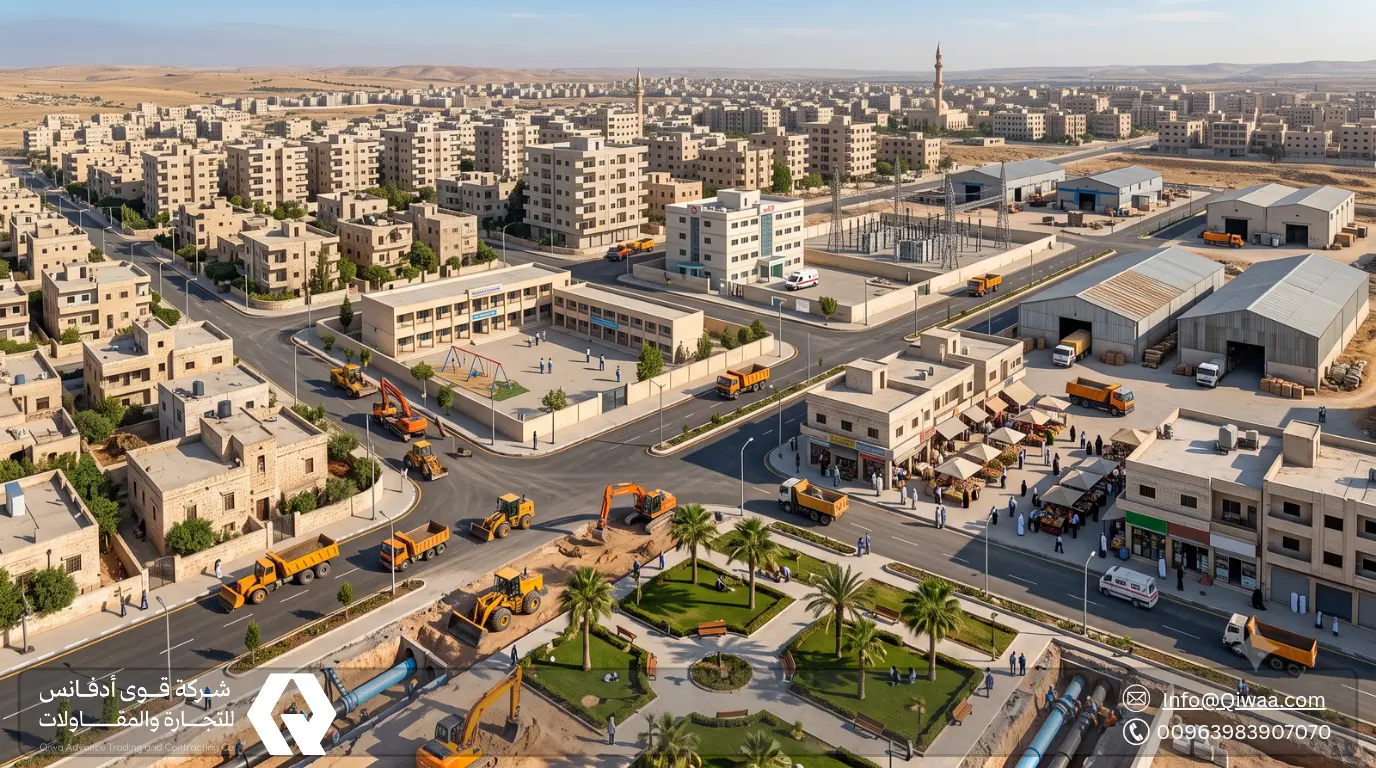
heritage building restoration in Syria is now an essential part of reconstruction because damage has affected not only modern buildings and infrastructure, but also old cities, markets, khans, historic houses, and buildings with architectural value.
On June 20, 2013, UNESCO placed the six Syrian sites inscribed on the World Heritage List on the List of World Heritage in Danger because of the risks they faced during the years of conflict.
The need for engineering intervention increased after the February 6, 2023 earthquake, which affected northwestern Syria. On February 7, 2023, UNESCO reported damage in the Ancient City of Aleppo, including damage to the citadel, the collapse of the western tower of the old city wall, and damage to several historic market buildings.
The World Bank also estimated on October 21, 2025 that Syria’s reconstruction cost had reached around USD 216 billion after more than 13 years of conflict, according to an assessment covering damage to infrastructure and built assets between 2011 and 2024.
This shows that heritage restoration must be understood within the wider reconstruction landscape, not as a separate activity from the needs of cities, residents, and investment.
For this reason, heritage building restoration in Syria opens two important paths: protecting urban identity and reactivating usable assets in tourism, hospitality, culture, commerce, and services.
Also Read: Commercial Fit-Out in Syria for Malls, Showrooms, and Car Showrooms
Heritage Building Restoration in Syria Goes Beyond Improving the Façade
Reducing restoration to façade cleaning, stone replacement, or repainting often leads to temporary results.
A heritage building requires a complete reading that includes load-bearing walls, arches, vaults, ceilings, original materials, moisture, previous interventions, and the way loads move through the building.
ICOMOS principles for the analysis, conservation, and structural restoration of architectural heritage confirm that heritage buildings present special challenges because of their materials, history, and the way their elements were assembled. Therefore, their restoration requires a diagnosis different from modern buildings.
A heritage building may suffer from problems such as:
- Weak load-bearing walls.
- Cracks in arches or vaults.
- Foundation settlement.
- Rising damp and salts.
- Deterioration of original mortar.
- Added loads.
- Modern interventions that affected structural behavior.
- Random service routes inside walls, floors, or ceilings.
The right decision starts with three questions: which elements must be preserved, which parts need reinforcement, and what new use can the building support without damaging its value?
Also Read: Tunnel Formwork in Syria: Benefits for Residential Tower Construction
The Difference Between Conservation, Restoration, Rehabilitation, and Reconstruction
Choosing the correct term helps the owner, contractor, and consultant define the work scope, budget, materials, and approvals.
The National Park Service standards present four main approaches for historic buildings: preservation, rehabilitation, restoration, and reconstruction. The choice depends on the building’s significance, condition, available documentation, and project objective.
1. Conservation
Conservation focuses on protecting the current condition of the building and preventing further deterioration, with limited intervention that preserves existing materials and elements.
2. Restoration
Restoration highlights the historical and architectural value of the building based on clear evidence, such as photos, documents, drawings, or remaining original elements.
3. Rehabilitation
Rehabilitation prepares the building for a new or renewed use while preserving its distinctive elements, such as converting a heritage house into a boutique hotel, cultural center, restaurant, or administrative headquarters.
4. Reconstruction
Reconstruction recreates missing parts of the building when there is sufficient evidence, such as old photos, drawings, or reliable physical remains.
For investors, this classification defines the nature of the project: limited conservation, architectural restoration, operational rehabilitation, or partial reconstruction.
Read more: Foreign Investment in Syria: How to Enter the Syrian Market Step by Step
Engineering Documentation Before Any Intervention
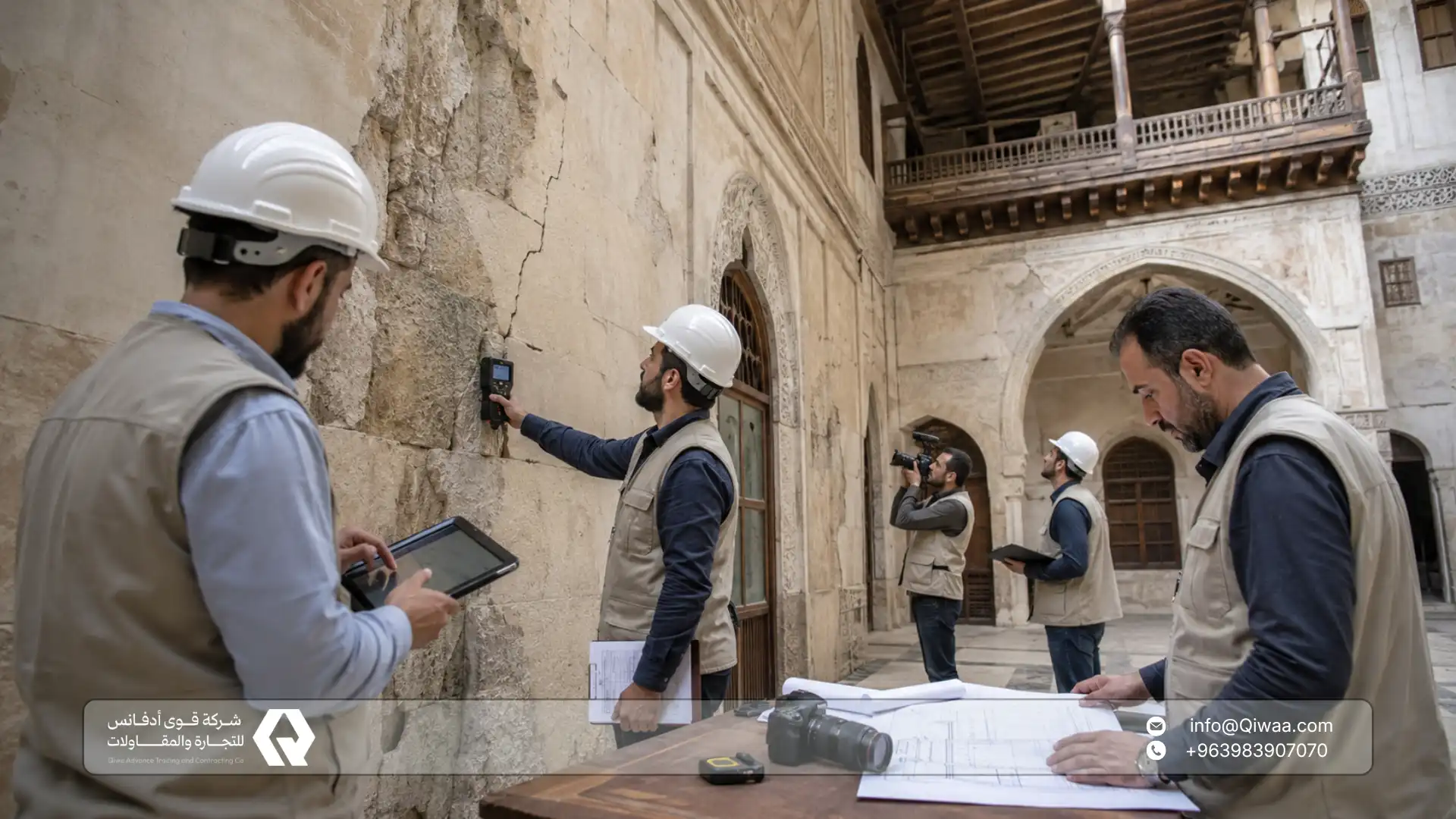
Correct restoration starts with documentation.
Before removing a stone, cleaning a façade, or reinforcing a wall, the building condition must be understood, original elements recorded, damage areas identified, and structural problems separated from surface deterioration.
Documentation usually includes:
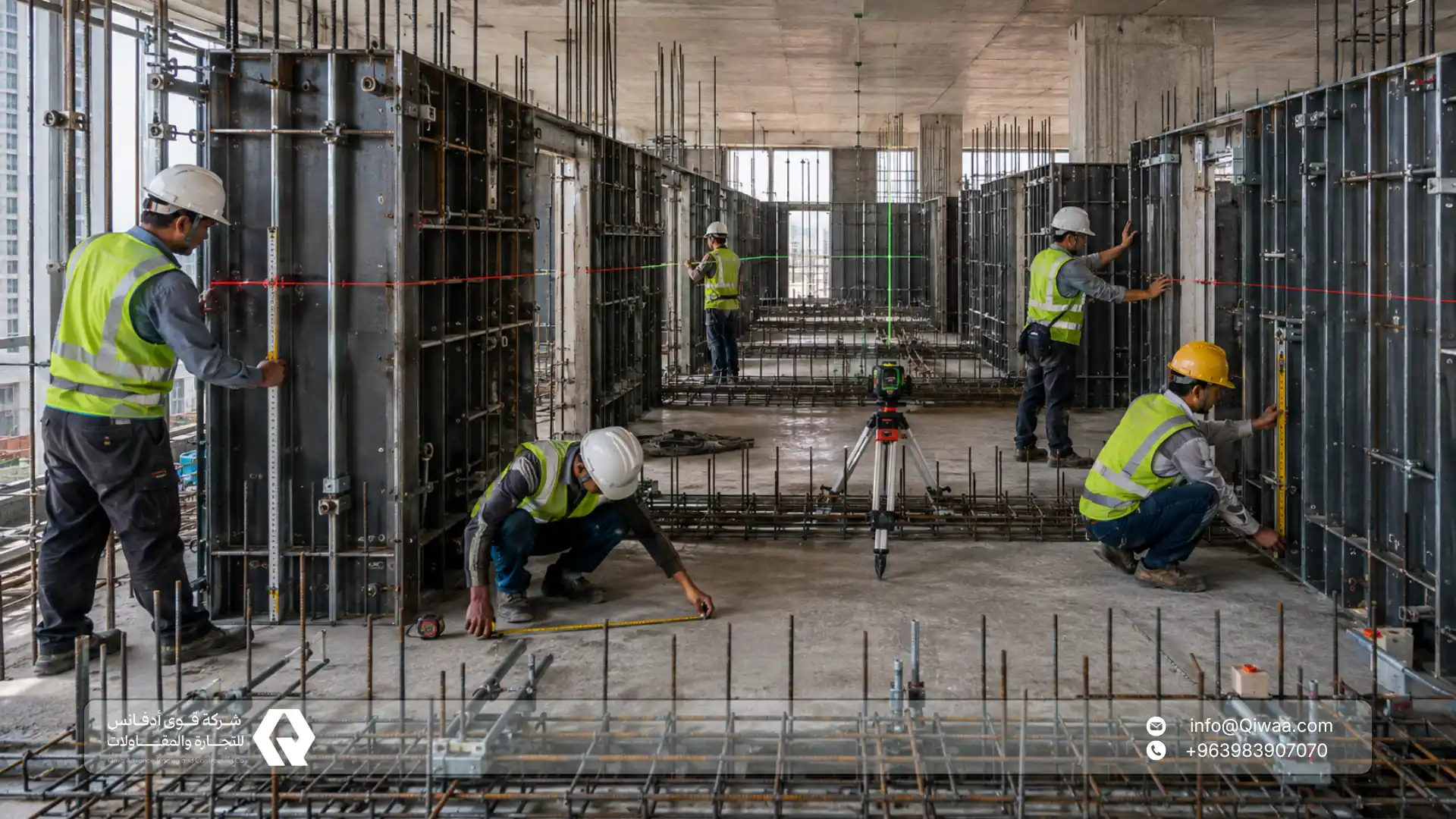
- Architectural surveying of the building.
- Documentation of façades and internal spaces.
- Photography of stone, wood, and decorative elements.
- Identification of crack, settlement, and separation locations.
- Preparation of damage maps.
- Study of original materials.
- Documentation of ceilings, walls, and arches.
- Study of moisture, drainage, and water sources.
- Recording elements that can be reused or need protection.
The Venice Charter issued by ICOMOS emphasizes that conservation and restoration works should be based on sciences and techniques that help study and protect heritage. It also gives strong importance to documentation before, during, and after intervention.
In practice, documentation helps prepare bills of quantities, define intervention priorities, control budgets, and reduce random decisions during execution.
Structural Diagnosis Before Choosing the Solution
Every heritage building has a different structural history, different materials, and a different damage pattern.
For this reason, execution should be preceded by a diagnosis that identifies the cause of the problem, not only its visible appearance.
Diagnosis helps answer questions such as:
- Are the cracks superficial or structural?
- Has the load-bearing wall lost part of its capacity?
- Is the problem caused by foundations or moisture?
- Are arches and vaults working normally?
- Are there added loads that should be reduced?
- Are old materials compatible with the proposed new materials?
- Does the building need temporary reinforcement before execution?
This is important in heritage building restoration in Syria because many heritage buildings depend on stone, traditional mortar, arches, load-bearing walls, timber, and interconnected spaces.
Any quick intervention in one element may affect other elements inside the building.
Also Check: Ceramic and Porcelain Tiles in Syria: Import Sources and Best Options
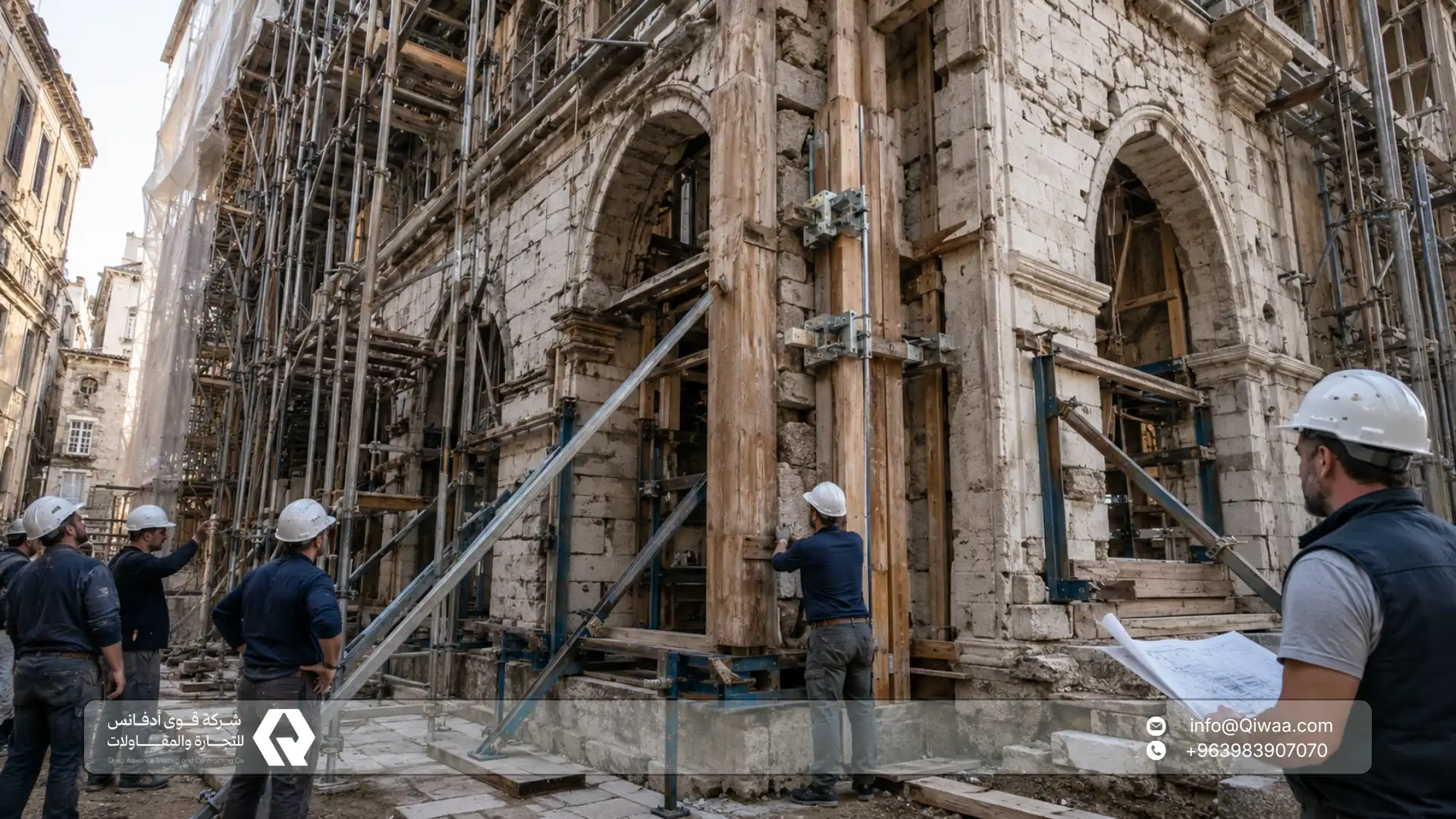
Temporary Reinforcement and Site Protection
Before restoration begins, some buildings need temporary reinforcement to protect weak elements, workers, and neighboring buildings.
This need becomes especially clear in old cities, where buildings are close to each other, entrances are narrow, and surrounding structural elements are highly sensitive.
Temporary reinforcement becomes necessary when there are:
- Cracked walls.
- Weak arches.
- Damaged ceilings.
- Leaning façades.
- Elements at risk of falling.
- Internal spaces that are difficult to access.
- Adjacent buildings that may be affected by movement or vibration.
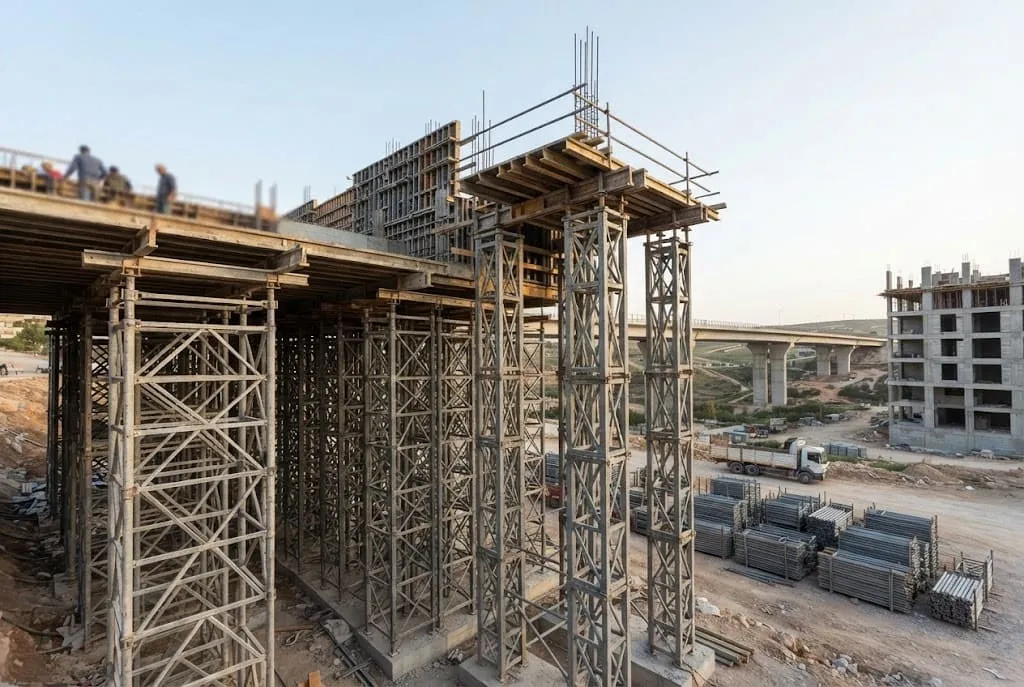
Temporary reinforcement may include scaffolding, shoring, supports, ties, façade protection, and organized movement of workers and materials.
After the 2023 earthquake, UNESCO highlighted the importance of emergency stabilization and reinforcement in the Ancient City of Aleppo as part of efforts to protect damaged heritage buildings.
At Qiwa Advance, we can support this stage by studying reinforcement needs, supplying suitable materials for heritage building restoration in Syria, and executing works according to site and consultant requirements.
Choosing Materials Compatible with the Heritage Building
Material selection in heritage restoration depends on compatibility with the building, not only on strength or availability.
Some modern materials may be too rigid for old stone or original mortar. They may trap moisture, concentrate stress, or cause new cracks.
Materials should be evaluated from four perspectives:
- Chemical Compatibility: To avoid unwanted reactions between the new material and stone, mortar, or salts.
- Physical Compatibility: Especially porosity, water absorption, vapor permeability, and thermal expansion.
- Mechanical Compatibility: So the new material suits the strength and behavior of old elements.
- Maintainability: Because a heritage building needs monitoring and maintenance after handover.
In heritage building restoration in Syria, material compatibility is one of the main factors that determines whether the intervention will protect the building or create new problems over time.
Read Also: Industrial and Medical Gases in Syria: Safe Supply for Steel Plants and Hospitals
Restoring Structural Elements in Heritage Buildings
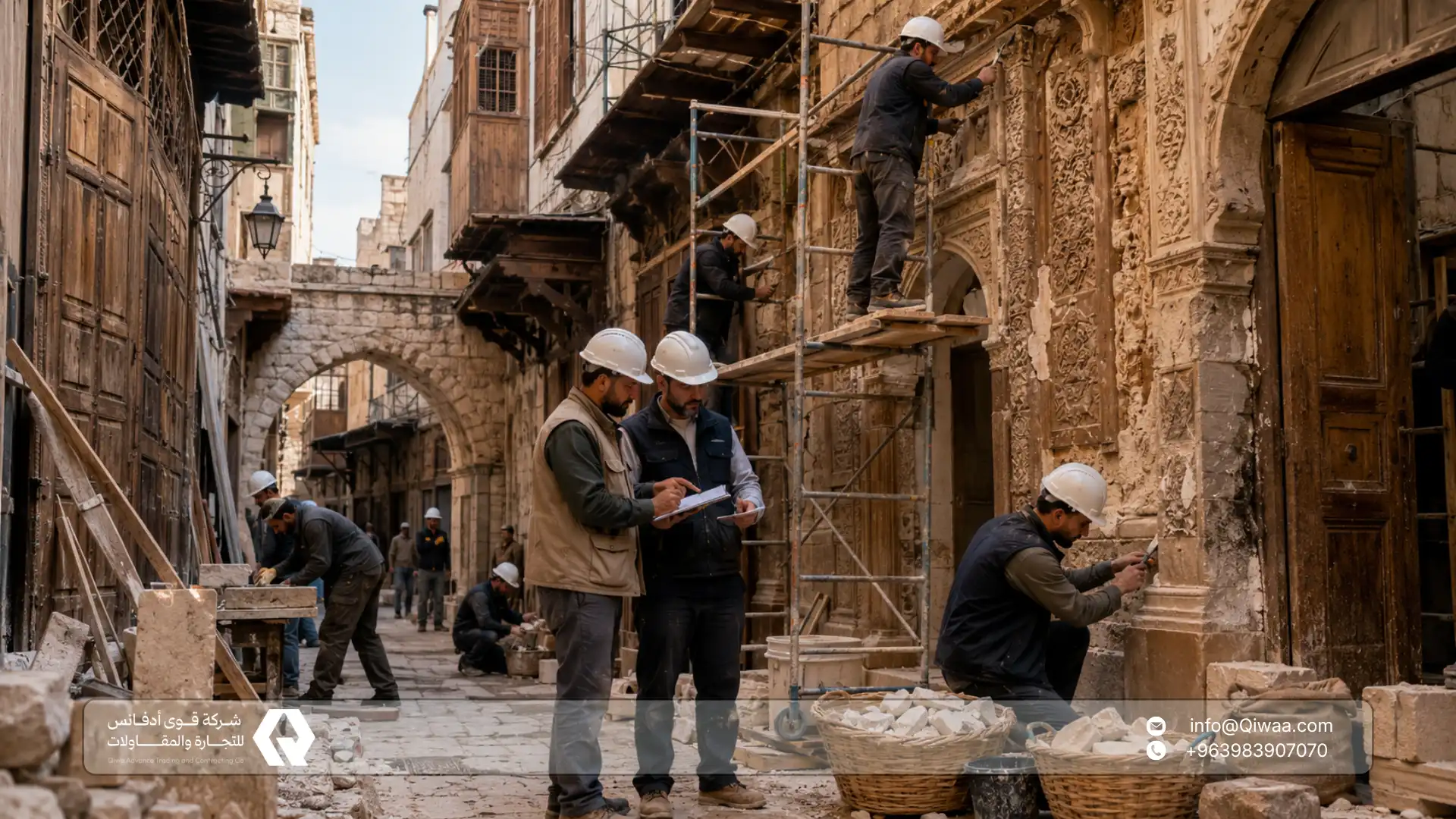
Structural elements in heritage buildings have both structural and architectural functions.
The load-bearing wall, arch, vault, dome, timber ceiling, and traditional mortar affect both the stability and character of the building.
Possible works may include:
- Treating cracks in load-bearing walls.
- Reinforcing arches and vaults.
- Connecting separated walls.
- Treating localized settlement.
- Repairing deteriorated mortar.
- Protecting foundations from moisture.
- Reducing unsuitable added loads.
- Rebuilding limited parts when enough evidence exists.
- Introducing hidden reinforcement elements when needed.
- Protecting old timber or metal elements.
ICOMOS principles recommend that any intervention in a historic building should be considered within the context of the entire building, while respecting its value, materials, and structural system.
Treating Moisture and Salts Before Finishing
Moisture is one of the most common causes of deterioration in heritage buildings in Syria.
Its effects appear in stone damage, mortar breakdown, falling finish layers, salt crystallization, and weakness in some structural elements.
Moisture may appear because of:
- Poor drainage.
- Water leakage.
- Rising damp from the ground.
- Salts inside stone or mortar.
- Covering walls with materials that do not allow vapor movement.
- Poor ventilation.
- Old or damaged water networks.
- Differences between external and internal floor levels.
Finishing over moisture hides the problem temporarily, then allows it to return more aggressively.
For this reason, moisture treatment must be linked to water, drainage, and ventilation planning before finishing works begin.
Updating Building Services While Preserving Historic Character
When a heritage building is reactivated, it often needs modern services such as electricity, lighting, water, drainage, ventilation, air conditioning, fire protection, safety systems, and maintenance routes.
The challenge lies in how these services are introduced.
Routes must be part of the design, with minimal cutting, maintainable passage points, and avoidance of loads that exceed the capacity of old walls or ceilings.
At Qiwa Advance, our experience in infrastructure, water systems, treatment, and finishing helps us manage this aspect, especially when heritage buildings are rehabilitated for commercial, tourism, or administrative use.
Heritage Building Restoration in Syria as an Investment Opportunity in 2026
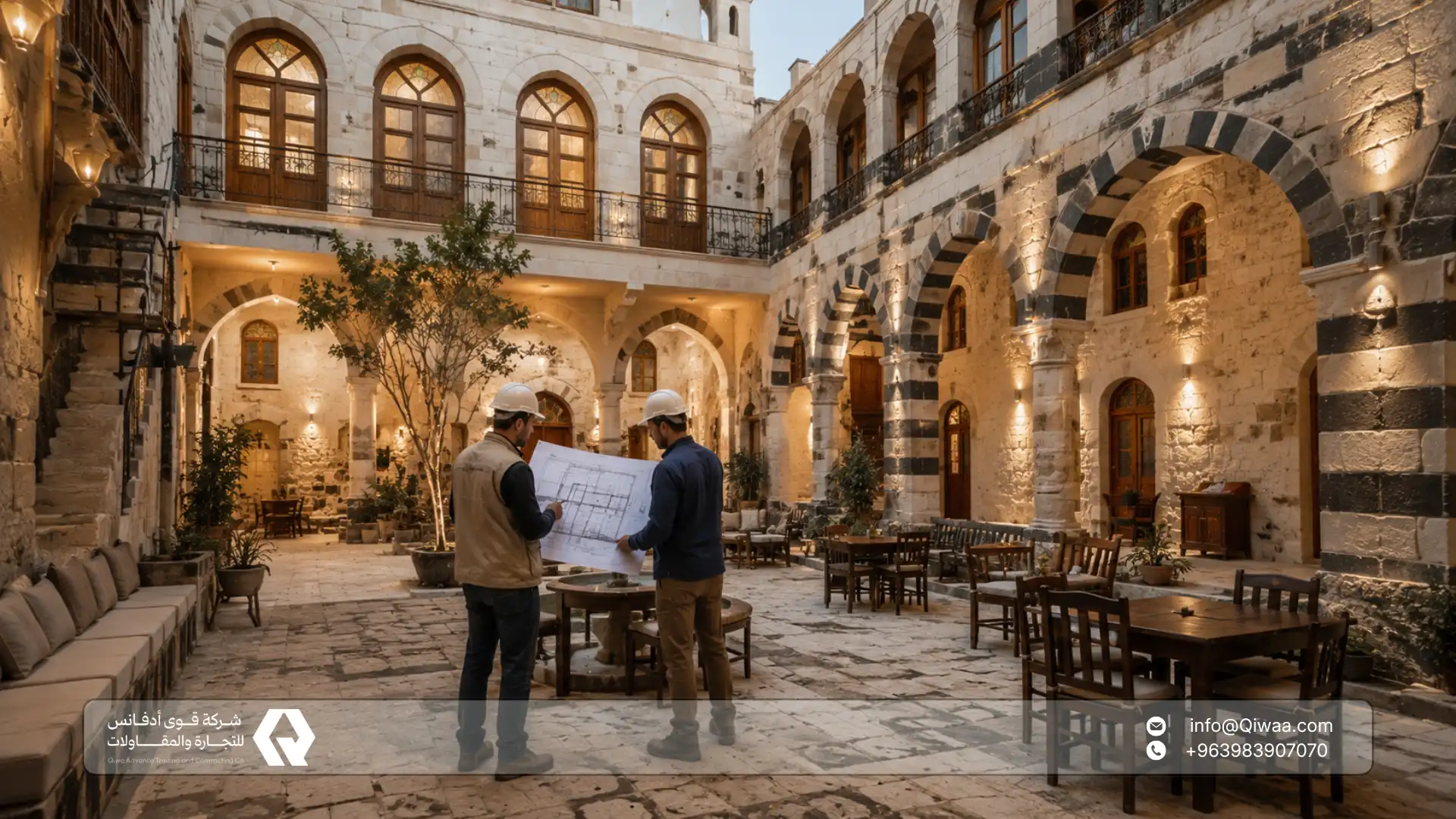
Adaptive reuse of heritage buildings is one of the most important investment paths in old cities.
After restoration, a building can transform from a neglected or damaged asset into an operational project with economic return.
The value does not come from architectural character alone. It comes from combining location, identity, experience, and a new function that suits the building and its urban context.
Heritage buildings can be used for projects such as:
- Boutique hotels or heritage guesthouses.
- Restaurants or cafés with local architectural character.
- Cultural centers or exhibition spaces.
- Small museums or visitor centers.
- Markets for crafts and traditional products.
- Administrative headquarters for companies or institutions.
- Event and hospitality spaces.
- Training centers for crafts or heritage-related activities.
The success of this type of investment depends on accurate study before execution, because a heritage building needs a balance between economic feasibility and protection of its original value.
Risk Management in Heritage Building Restoration in Syria
Restoration projects in Syria need careful risk management from the early stages because working inside heritage buildings often reveals problems that were not visible during the initial inspection.
The project must therefore be handled with a flexible plan that allows certain details to be adjusted after old layers are uncovered or structural elements are examined.
Key risks include:
- Absence of original drawings or weak previous documentation.
- Hidden damage behind finishes.
- Undocumented old interventions that affected the building.
- Weakness in stone, mortar, or timber elements.
- Moisture, salts, and drainage problems.
- Difficulty moving equipment into old cities.
- Limited storage and movement inside the site.
- Material price changes or supply delays.
- Need for skilled labor in stone, timber, and traditional mortar.
- Coordination of approvals with competent authorities.
- Safety risks during reinforcement or removal of damaged parts.
The clearer the diagnosis, the more controllable the cost becomes. The more organized the supply process is, the less work stoppage occurs on site. The more defined the phases are, the fewer random decisions appear during execution.
Why Choose Qiwa Advance for Heritage Building Restoration in Syria?
At Qiwa Advance, we support heritage building restoration in Syria through our experience in supply, contracting, infrastructure, and finishing.
We help you understand site needs, choose suitable materials, and organize work stages in a way that matches the building’s nature and the project requirements.
Through our network of partners and agents, we provide materials and services that support reinforcement, water systems, drainage, finishing, and rehabilitation works.
Our Services in Restoration Projects
- Supplying reinforcement and metal connection materials when technically approved.
- Supporting scaffolding and safe access works inside sensitive sites.
- Providing building and finishing materials suitable for the project nature.
- Supplying stone, marble, granite, or other required materials according to specifications.
- Providing water and drainage systems and components when the building is reactivated.
- Supporting infrastructure works around the heritage building.
- Executing or supporting interior finishing works.
- Supplying cementitious materials or chemical admixtures when technically needed and approved by the consultant.
Materials and Solutions That Support Restoration
- Reinforcement Works: Metal materials and connection elements according to structural design.
- Water and Drainage Works: Pipes, valves, and network components.
- Architectural Restoration and Finishing: Stone, marble, granite, and finishing materials.
- Infrastructure and Treatment: Solutions related to water, drainage, and treatment.
- Cementitious and Chemical Materials: Materials used when technically needed and after approval.
Supporting Partners and Agents
- Amiantit: Pipe, tank, water, drainage, and infrastructure systems.
- PWT Germany: Water treatment, wastewater treatment, and desalination solutions.
- Variant Ukraine: Formwork, scaffolding, and structural execution systems.
- ASSAF Group Egypt: Engineering and consultancy services in design, supervision, and project management.
- Partners from Italy, Turkey, and Egypt: Supply sources for materials, equipment, and finishes according to specifications.
For projects that need supply, reinforcement, or rehabilitation, the Qiwa Advance team can study site requirements and define the suitable materials and services.
Heritage Building Restoration in Syria Is an Investment in the Memory of Cities
heritage building restoration in Syria contributes to protecting the memory of cities and reactivating important urban assets during the reconstruction phase.
A successful project starts with diagnosis, then material selection, reinforcement, moisture treatment, modern service integration, and rehabilitation execution according to the nature of the building.
At Qiwa Advance, we put our experience in supply, contracting, and industry at the service of restoration projects, whether the requirement is suitable materials, contractor support, or integrated restoration and rehabilitation works.
Contact Qiwa Advance to study your project and define its needs for supply, reinforcement, restoration, or rehabilitation.