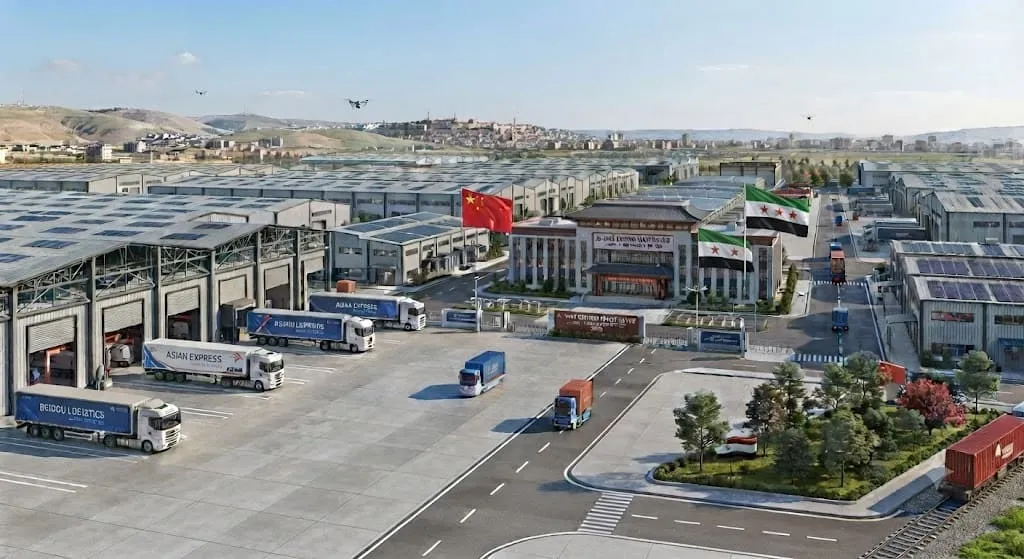


Local manufacturing of industrial chemicals in Syria offers factories and industrial investors an opportunity to reduce dependence on imports and improve control over production costs and material availability. However, shifting to local production requires assessing market demand, raw material availability, technical capabilities, and financial feasibility to determine which chemicals can be manufactured competitively.
At Qiwaa Advance, we examine this transition from an industrial and investment perspective, focusing on the requirements and decisions that matter to manufacturers and investors. This article covers:
- Why Syrian industries continue to rely on imported chemicals.
- The main chemical categories and their potential for local production.
- The economic and operational benefits of local chemical manufacturing.
- The practical stages of transitioning from imports to domestic production.
- The technical and financial criteria for evaluating manufacturing feasibility.
- The production, quality, safety, and financing challenges businesses must address.
- How Qiwaa Advance can support industrial chemical manufacturing projects in Syria.
Why Syrian industry relies on imported chemical raw materials
Many Syrian manufacturers continue to depend on imported chemical raw materials because local production cannot always provide the required specifications, quantities, or cost efficiency. For factory owners and industrial investors, replacing imports involves several technical and commercial considerations:
- Raw material availability: Certain active ingredients, solvents, polymers, and specialty additives may not be available locally in the grades or quantities required for consistent production.
- Production economics: Some chemical products require investment in equipment and utilities that cannot be justified without sufficient, recurring market demand.
- Industrial infrastructure: Chemical manufacturing may require reliable electricity, process water, cooling systems, compatible equipment, and facilities for handling waste and emissions.
- Quality assurance: Manufacturing locally requires suitable testing capabilities to verify raw materials, control production, and ensure finished products meet specifications.
- Investment and operating risks: Establishing a production line requires capital, qualified personnel, technical trials, and working capital before commercial production becomes viable.
For some factories, importing finished chemicals or concentrated inputs remains more practical than manufacturing them entirely in-house. The appropriate choice depends on production volume, technical capabilities, and the total cost of obtaining a product that meets the required specifications.
Chemical product categories & their raw material requirements
Syria’s chemical industry includes several product categories that depend on different raw materials and manufacturing processes. The 2025 Syrian Chemical Product Award highlighted sectors such as detergents, coatings, construction chemicals, adhesives, pesticides, and industrial oils.
For manufacturers evaluating local production, the main categories and their typical input requirements include:
- Detergents and disinfectants: Surfactants, active ingredients, solvents, and formulation additives.
- Paints, coatings, and inks: Resins, pigments, solvents, and performance additives.
- Construction chemicals and adhesives: Polymers, binders, and specialized additives used to achieve required product properties.
- Fertilizers and agrochemical products: Nutrient compounds, active ingredients, and formulation materials, depending on the product.
- Industrial oils and lubricants: Base oils and additive packages that determine product performance.
These categories represent different levels of manufacturing complexity. Producing a finished formulation locally does not necessarily mean its essential chemical inputs are produced in Syria. Manufacturers must therefore identify which materials can be sourced domestically and which will remain dependent on imports.
Supply chain risks for Syrian chemical manufacturers
Dependence on imported chemical inputs exposes manufacturers to disruptions that can affect production schedules, costs, and product quality. Even when a factory has adequate equipment and production capacity, delays or inconsistencies in essential materials may interrupt operations.
The main supply chain risks include:
- Supplier availability: Limited sourcing options, minimum order quantities, and inconsistent shipment schedules can restrict access to essential inputs.
- Import costs and payments: Exchange-rate fluctuations, financing arrangements, freight charges, and customs procedures can increase procurement costs.
- Transportation and storage: Certain materials require controlled handling and storage conditions to preserve their quality throughout delivery.
- Specification consistency: Differences in purity, concentration, or chemical properties between suppliers may require additional testing and formulation adjustments.
Local manufacturing does not eliminate these risks when production still depends on imported ingredients. To improve supply continuity, manufacturers need clear purchasing specifications, qualified alternative suppliers, and inventory levels based on actual consumption and replenishment times.
Through Qiwaa Advance Trading, we support industrial buyers in sourcing materials according to technical specifications and supply requirements, helping them coordinate procurement with their operating needs.
See our article: Industrial and Medical Gases in Syria: Safe Supply for Steel Plants and Hospitals
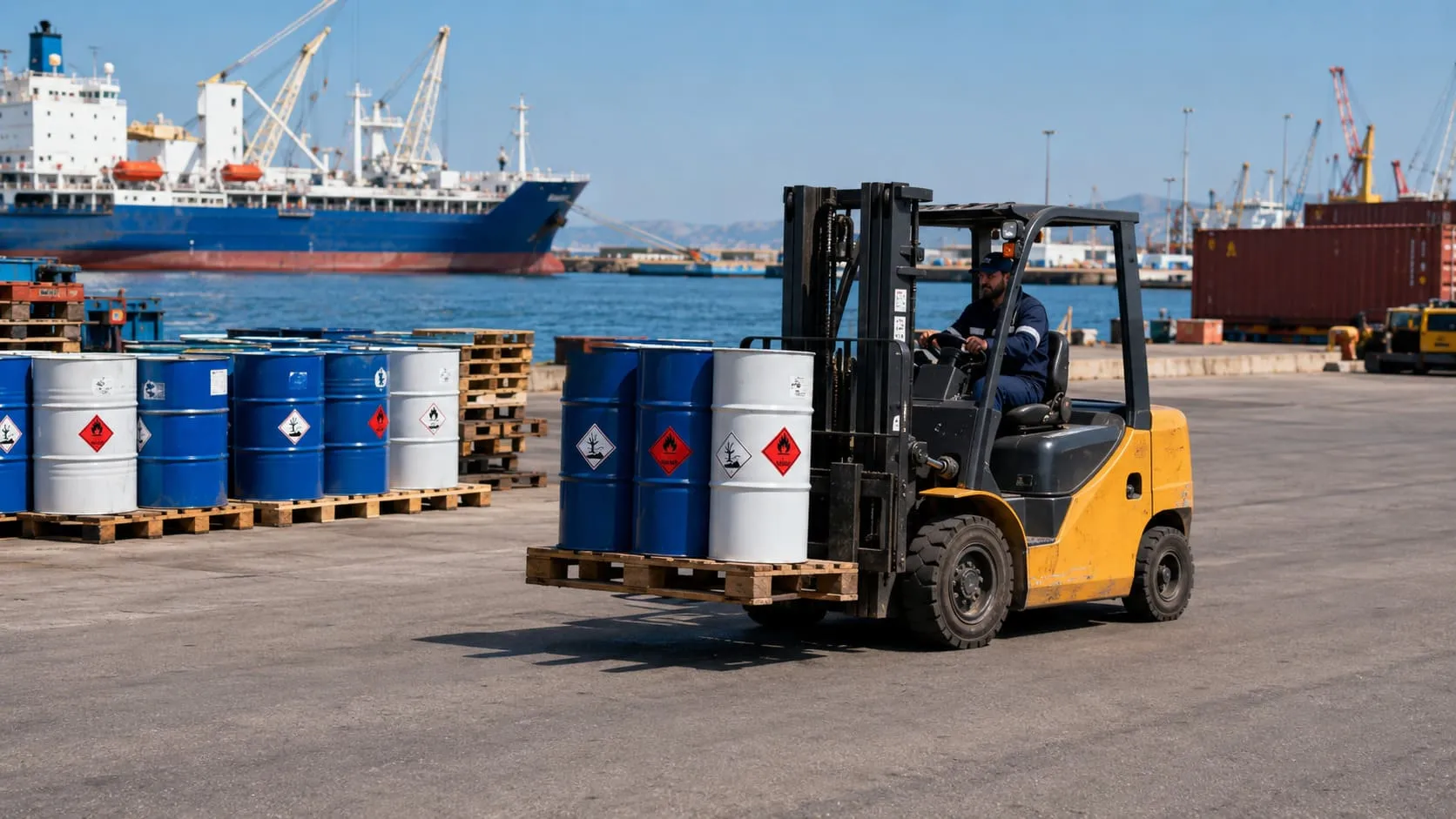
The importance of shifting to local chemical manufacturing
Local chemical manufacturing in Syria can help factories improve supply reliability, control product specifications, and reduce dependence on imported finished products. For industrial investors, however, its economic value depends on whether local production can meet market demand and quality requirements at a competitive cost.
The potential benefits can be assessed across three areas:
Lower total production cost
Manufacturing chemicals locally may reduce international shipping costs, shorten delivery times, and allow factories to adjust production volumes to actual demand. These benefits must be weighed against the investment and operating expenses required to maintain consistent product quality.
To assess cost competitiveness, manufacturers should compare the full landed cost of imported products with the total unit cost of local production, including:
- Production investment: Equipment, utilities, facility preparation, and maintenance.
- Operating expenses: Raw materials, packaging, energy, water, and specialized labor.
- Quality and compliance: Laboratory testing, safety systems, and waste treatment.
- Supply and financing: Storage, domestic transportation, inventory, and working capital.
The comparison should reflect realistic production volumes and capacity utilization. In some cases, importing concentrated materials for local blending and packaging may offer better economics than establishing a fully integrated chemical manufacturing facility.
Reducing foreign-currency expenditure
Local production can reduce foreign-currency spending by replacing imported finished products with domestic manufacturing activities, including packaging, processing, maintenance, and transportation.
However, the financial benefit depends on how much of the production process still relies on imported inputs. Active ingredients, specialty additives, equipment, and spare parts may continue to require foreign currency.
For manufacturers and investors, the relevant measure is the foreign-currency expenditure per unit of finished product compared with the imported alternative, rather than the percentage of materials sourced locally by weight.
Broader industrial investment opportunities
Investment in industrial chemicals in Syria extends beyond manufacturing finished products. Local production also creates potential demand for specialized facilities, equipment, and technical services that support industrial operations.
The main areas investors can evaluate include:
- Testing and quality control: Laboratories for raw material inspection, formulation testing, and finished-product verification.
- Production facilities: Blending, preparation, and filling lines suited to specific chemical products.
- Industrial infrastructure: Chemical storage facilities, industrial water treatment, and waste management systems.
- Equipment and maintenance: Chemical-compatible tanks, pumps, piping, and specialized maintenance services.
- Packaging and handling: Containers, packaging materials, and handling solutions suited to chemical properties.
The commercial viability of these activities depends on identified industrial customers, recurring demand, technical requirements, and the cost of providing the service.
For investors, the starting point is therefore not selecting equipment or establishing production capacity, but identifying a specific product or industrial need that local manufacturing can serve competitively.
Read also: Investment in Syria 2026: Practical Opportunities
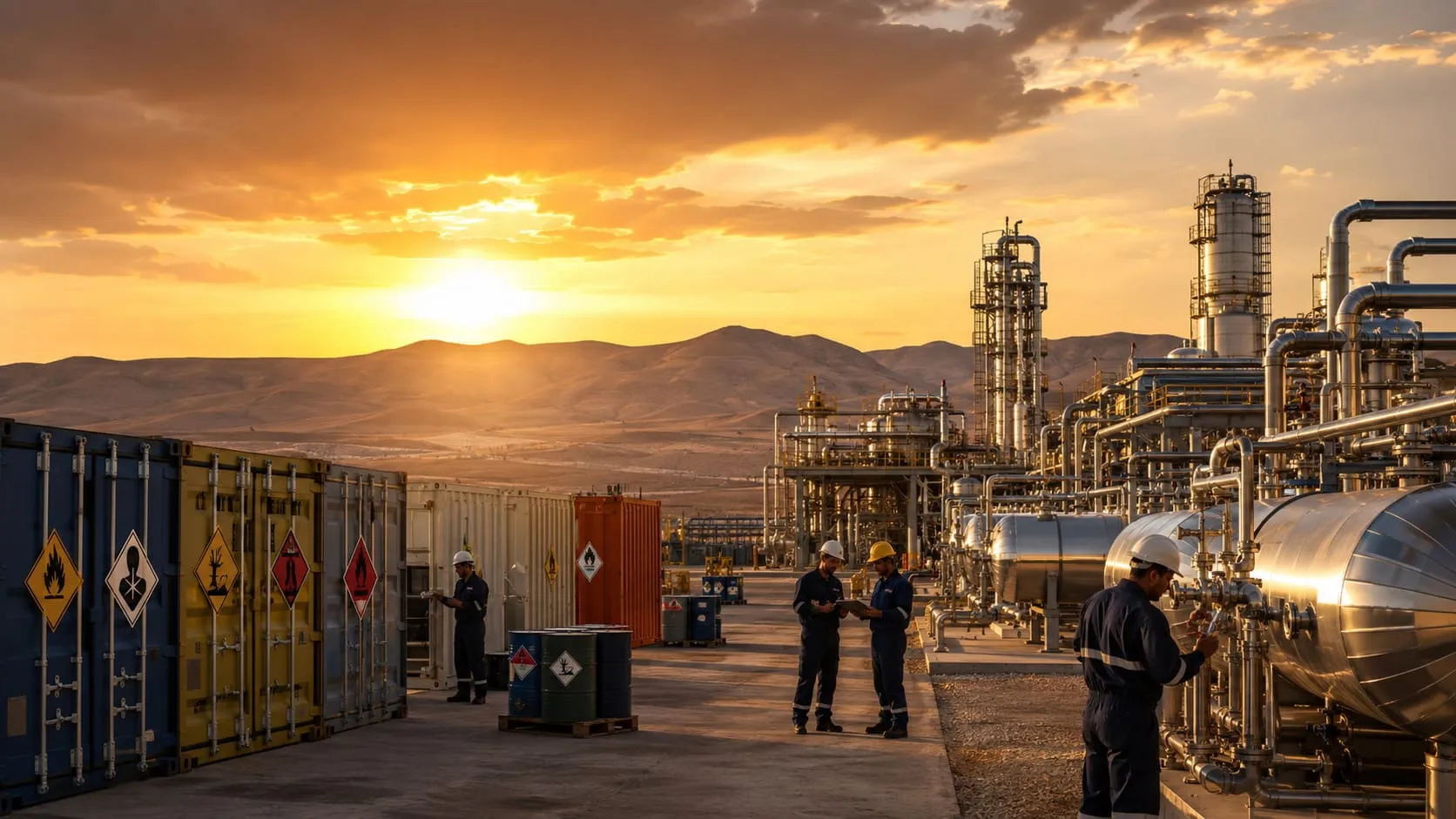
Strategy for moving from imports to local chemical manufacturing
Moving from imported chemicals to local chemical manufacturing in Syria requires a strategy based on product demand, technical feasibility, and production costs. For factory owners and industrial investors, the transition may begin with local blending or formulation before expanding into more complex manufacturing processes, provided that product quality and commercial viability can be maintained.
The following stages and considerations help determine where to begin and how to expand production responsibly.
A phased path to local manufacturing
A phased approach allows manufacturers to establish production capabilities gradually rather than committing immediately to a fully integrated chemical facility. The transition generally involves five stages:
- Validate market demand: Identify the chemical product, its industrial applications, required specifications, and recurring consumption volumes.
- Select the production model: Compare importing the finished product with locally blending, formulating, or manufacturing it from chemical inputs.
- Secure production inputs: Identify reliable raw-material suppliers and assess the equipment, utilities, and technical expertise required.
- Test and qualify production: Conduct controlled production trials, verify product performance, and establish quality standards before commercial release.
- Expand manufacturing capacity: Increase production or local content when demand, supply reliability, and operating costs support further investment.
This approach allows businesses to assess each stage before allocating additional capital, while keeping expansion decisions tied to demonstrated production performance.
Chemical products suited to phased local manufacturing
Not all chemical products require the same manufacturing technology. Products based primarily on blending, dilution, or formulation may offer a more accessible starting point than those requiring complex chemical synthesis.
Potential categories for assessment include:
- Construction chemicals: Concrete admixtures and selected construction formulations.
- Adhesives and coatings: Products manufactured through mixing, dispersion, or formulation.
- Industrial cleaning chemicals: Detergents, cleaning formulations, and selected disinfectants.
- Water treatment chemicals: Formulated products used in industrial water and boiler treatment.
- Agricultural formulations: Selected fertilizer blends and other products suitable for controlled formulation processes.
These categories are not automatically suitable for local production. Their feasibility depends on product specifications, raw-material availability, market demand, and applicable safety requirements. Manufacturing basic chemicals or producing polymers through chemical reactions may require substantially different technologies, infrastructure, and investment.
Decision criteria for manufacturing chemicals locally
Before investing in a chemical production facility, manufacturers need to establish whether the proposed operation can consistently deliver a compliant product at a competitive cost.
The main feasibility criteria include:
- Market feasibility: Confirm demand volumes, target customers, expected selling prices, and competition with imported alternatives.
- Technical feasibility: Assess the manufacturing process, equipment compatibility, raw-material specifications, and availability of qualified personnel.
- Infrastructure readiness: Evaluate electricity, water, cooling, storage, and waste-treatment requirements against the proposed production capacity.
- Quality and compliance: Determine the testing capabilities, product standards, process safety measures, and environmental controls required.
- Financial viability: Calculate capital investment, unit production costs, working capital, and expected returns at realistic operating volumes.
The final investment decision should also account for the relevant industrial licensing and regulatory requirements in Syria, which vary according to the chemical product, manufacturing process, and facility location.
Operational challenges in scaling chemical production
A technically feasible formulation does not automatically translate into reliable commercial production. As manufacturers increase production volumes, three operational challenges require particular attention.
Process scale-up and production consistency
Increasing batch size can affect mixing efficiency, temperature control, reaction behavior, and finished-product properties. Manufacturers need controlled production trials and documented operating parameters to maintain consistent performance at commercial scale.
Quality control and process safety
Commercial production requires reliable inspection of incoming materials, defined acceptance criteria for finished batches, and procedures for chemical handling and storage. Testing capabilities and safety controls must match the risks and specifications of the products being manufactured.
Financing and working capital
Beyond the initial equipment investment, manufacturers must finance raw-material purchases, production trials, inventory, and ongoing operations before receiving sales revenue. Financial planning should account for the time required to establish stable production and secure customer approval.
Addressing these challenges before expanding capacity helps manufacturers evaluate whether local production can remain technically reliable and economically competitive beyond the initial trial stage.
Read also: Concrete Admixtures in Syria: Improve Ready-Mix Quality
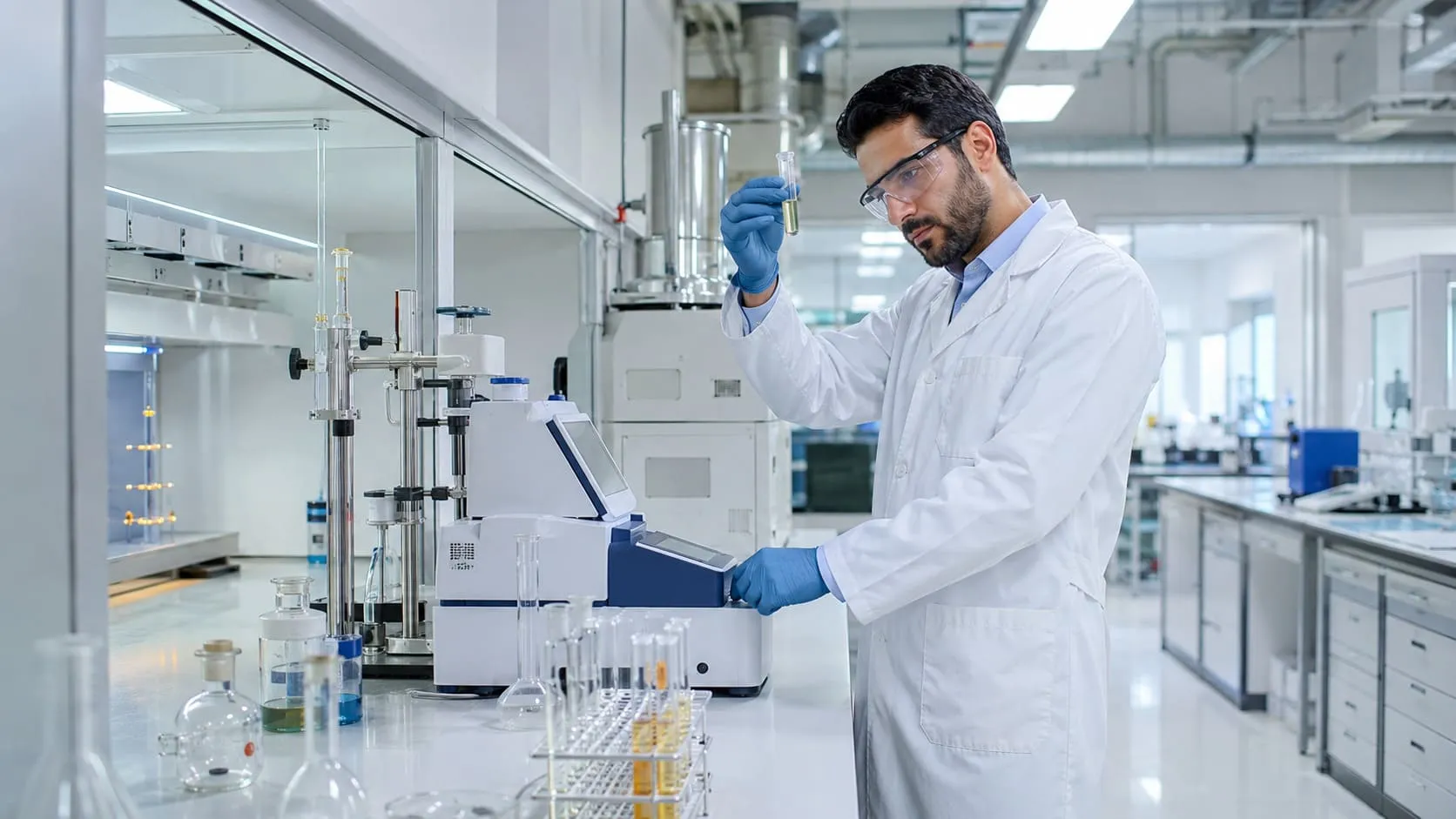
Importing vs. Local Chemical Manufacturing: A Decision Comparison
Choosing between importing finished chemicals and local chemical manufacturing in Syria depends on production demand, technical requirements, investment capacity, and supply reliability. The following comparison highlights the main factors manufacturers and industrial investors should consider:
| Decision Factor | Importing Finished Chemicals | Phased Local Manufacturing |
|---|---|---|
| Initial investment | Lower fixed investment when suitable suppliers are available | Requires production equipment, utilities, and quality control |
| Time to market | Generally faster once sourcing and import arrangements are established | Requires facility preparation, trials, and product qualification |
| Product specifications | Primarily determined by the supplier’s available grades | Can be adjusted within the capabilities of the manufacturing process |
| Supply dependence | Relies on international suppliers, shipping, and import procedures | Relies on production inputs, utilities, and operational continuity |
| Quality control | Requires supplier qualification and incoming material inspection | Requires process control, raw-material testing, and finished-batch verification |
| Commercial suitability | Often preferable for limited demand or technically complex products | More suitable when recurring demand supports stable, cost-competitive production |
Neither model is universally better. The appropriate choice depends on the total cost of obtaining a compliant product, the reliability of supply, and the manufacturer’s ability to maintain consistent quality.
Qiwaa Advance’s Role in Local Chemical Manufacturing in Syria
At Qiwaa Advance, we approach industrial projects through the relationship between raw-material supply, production capabilities, and supporting infrastructure. Our trading, industrial, mining, and contracting sectors address different requirements depending on the product and the scope of the proposed operation.
- Qiwaa Trading: Supplies industrial materials and equipment through international sourcing and trade networks, with attention to technical specifications and delivery requirements.
- Qiwaa Industrial: Manufactures chemical admixtures for ready-mix concrete, with production quality control and laboratory testing.
- Qiwaa Mining: Works in mineral resource development, extraction, and supply, which may be relevant to chemical production where technically suitable mineral inputs are required.
- Qiwaa Contracting: Provides engineering, procurement, and construction services for infrastructure, including industrial water and wastewater treatment facilities.
These capabilities can address specific parts of an industrial project’s requirements, but they do not mean every chemical product or manufacturing process falls within our scope. More complex processes may require specialized technology providers, equipment suppliers, and additional technical qualifications.
Production Experience at Qiwaa Industrial
Qiwaa Industrial specializes in chemical admixtures used to improve the performance of ready-mix concrete, including strength, durability, and setting-time control.
Manufacturing these products requires consistent raw-material specifications, controlled formulations, and laboratory testing to verify product quality and performance.
This experience represents a defined area of chemical manufacturing rather than a universal capability across all chemical categories. Other products require separate evaluation of their manufacturing technology, raw materials, safety requirements, and quality standards.
If you are evaluating an industrial chemical product for local production in Syria, contact the Qiwaa Advance team with its intended application, technical specifications, expected demand, and raw-material requirements to discuss the sourcing, industrial, or infrastructure services relevant to your project.
FAQs about local chemical manufacturing in Syria
Can all industrial chemicals be manufactured locally?
No. Local manufacturing feasibility depends on demand, available technology, raw materials, production costs, and safety requirements. Some products can be formulated or blended locally, while others require complex processes or specialized facilities.
How long does it take to establish local chemical production?
The timeframe depends on the product and manufacturing process. Blending and filling operations generally require less complex infrastructure than chemical synthesis facilities. Licensing, equipment delivery, installation, testing, and product qualification also influence the schedule.
Who benefits most from local chemical manufacturing in Syria?
Factories with recurring chemical consumption and industrial investors serving established demand may benefit most. The strongest candidates are products for which local manufacturing can provide reliable quality and competitive costs compared with importing the finished product.