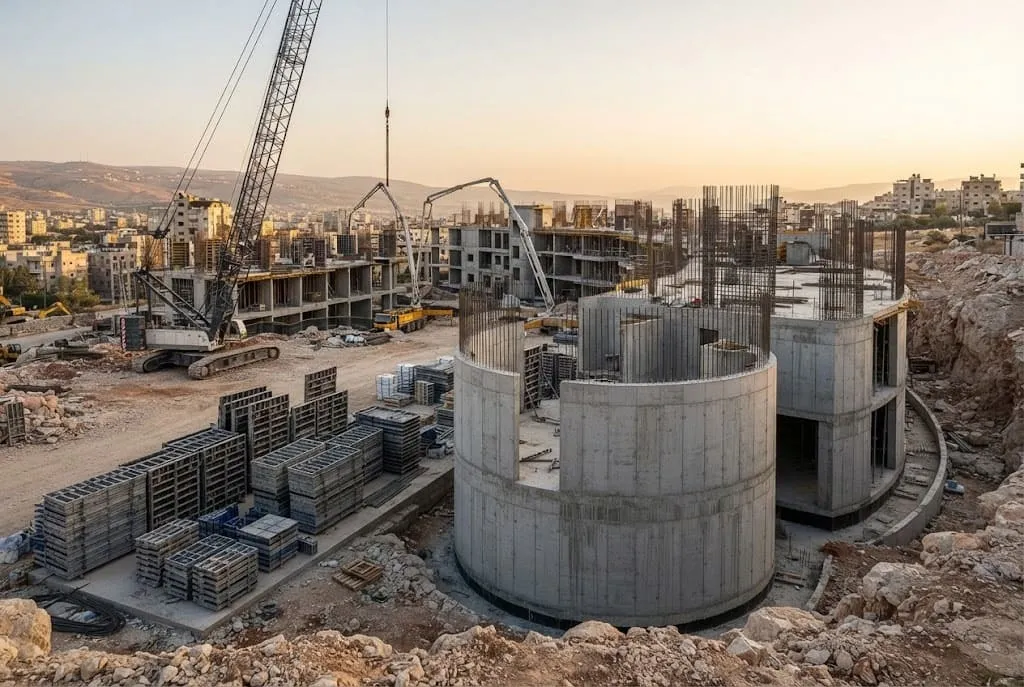


The Al-Bajaa project is a large-scale urban development in Rural Damascus that will require coordinated infrastructure works, residential construction, and materials supply across multiple implementation phases. For developers, contractors, and construction suppliers, understanding the project’s scope is essential to assessing its technical requirements and potential implications for Syria’s construction sector.
At Qiwaa Advance, we examine the project from an engineering and execution perspective, distinguishing announced details from those still awaiting final plans and specifications. This article covers:
- The project’s location and planned urban development.
- Its land area, housing capacity, and infrastructure requirements.
- The implementation timeline and construction phases.
- The developer, institutional framework, and project responsibilities.
- The project’s implications for contractors, engineering companies, and building materials suppliers in Syria.
Al-Bajaa project overview
The Al-Bajaa project is a planned urban community in Rural Damascus, Syria. Its key figures and development framework provide an initial overview of the project’s scale and planned execution:
- Location: Al-Bajaa area, Rural Damascus, Syria.
- Land area: Approximately 6 million square meters allocated to residential development, infrastructure, and associated facilities.
- Housing capacity: Around 20,000 planned residential units.
- Implementation timeline: Eight years under the overall development program.
- Development partners: Abyat for Investment and Real Estate Development, in partnership with the General Establishment for Housing.
- Construction approach: Phased development of residential buildings, infrastructure networks, and supporting services.
These figures establish the project’s overall scope, while detailed construction packages, material quantities, and procurement requirements depend on the approved plans and specifications for each phase.
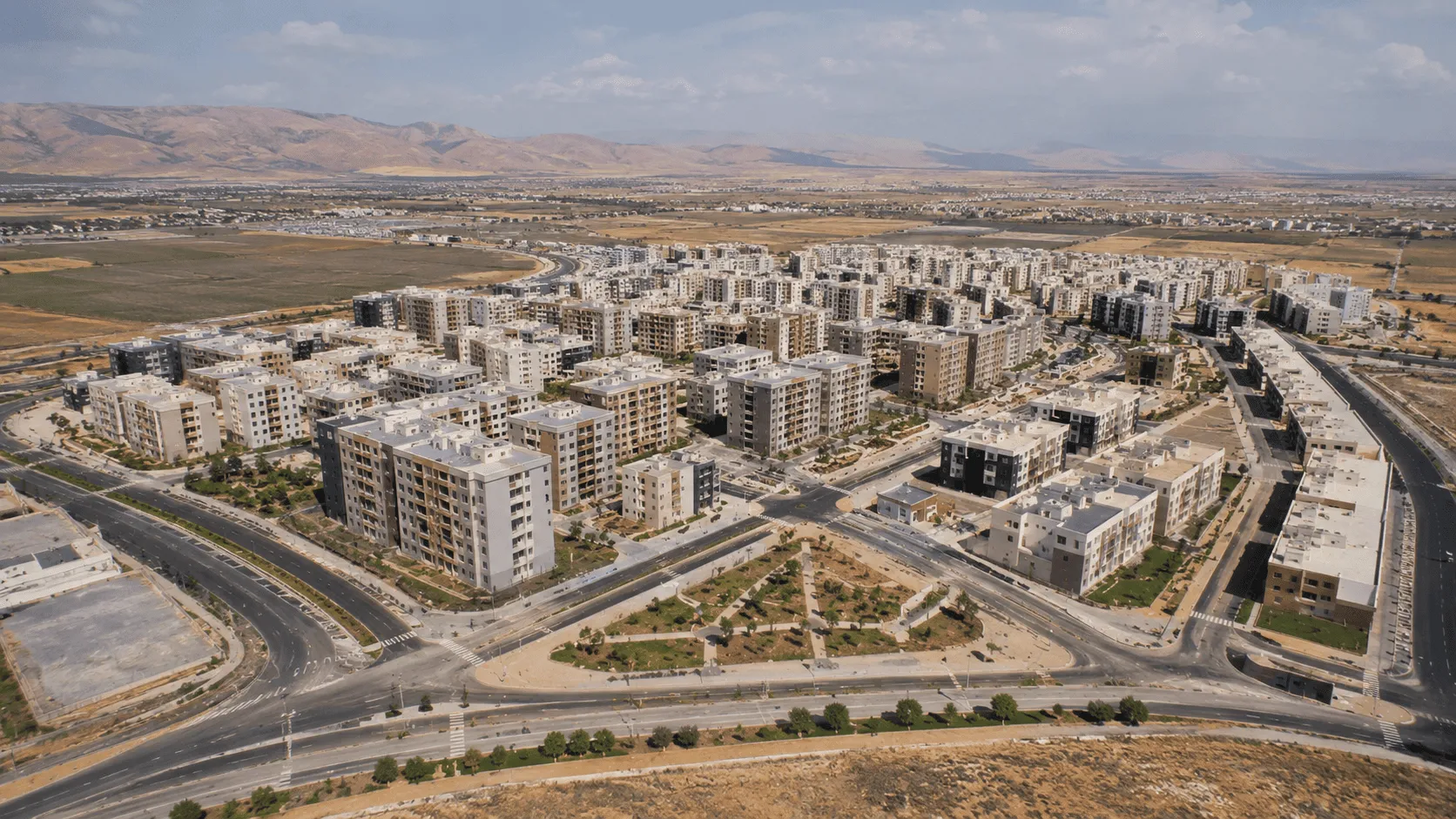
Urban planning and infrastructure of the Al-Bajaa project
The Al-Bajaa project is planned as an integrated urban community in Rural Damascus, combining residential buildings with roads, utility networks, and public facilities within a unified development plan. This approach requires coordination between the different components of the project to create a functional residential district.
The urban development is organized around three main considerations:
- Land use and facilities: Residential areas must be planned alongside public facilities, service areas, and internal roads. Their distribution will be defined by the project’s detailed master plan.
- Infrastructure integration: Water, sewerage, electricity, and road networks must serve the residential areas and support their phased completion. Their routes and capacities will depend on the approved engineering designs.
- Connections to surrounding areas: The development also requires coordination with external roads and utility networks to connect the new community with the surrounding infrastructure in Rural Damascus.
These planning requirements establish the framework for the development. The project’s land area and planned housing capacity provide a clearer picture of the scale at which they must be addressed.
Al-Bajaa project area and development scale
The Al-Bajaa project extends across approximately 6 million square meters (6 square kilometers), with plans to develop around 20,000 residential units. These figures define the overall development scale, but their implications for construction depend on how the land and buildings are organized.
- Total development area: The 6 million square meters cover the entire project site, including land designated for residential buildings, infrastructure, roads, and supporting facilities, rather than housing alone.
- Planned residential capacity: The 20,000 housing units represent the project’s overall residential target. Their distribution, building types, and individual floor areas will be determined by the detailed development plans.
- Construction and resource requirements: The project’s scale calls for coordinated site development, infrastructure works, and building construction. The actual quantities of materials, equipment, and labor will depend on the approved drawings, technical specifications, and bills of quantities for each construction phase.
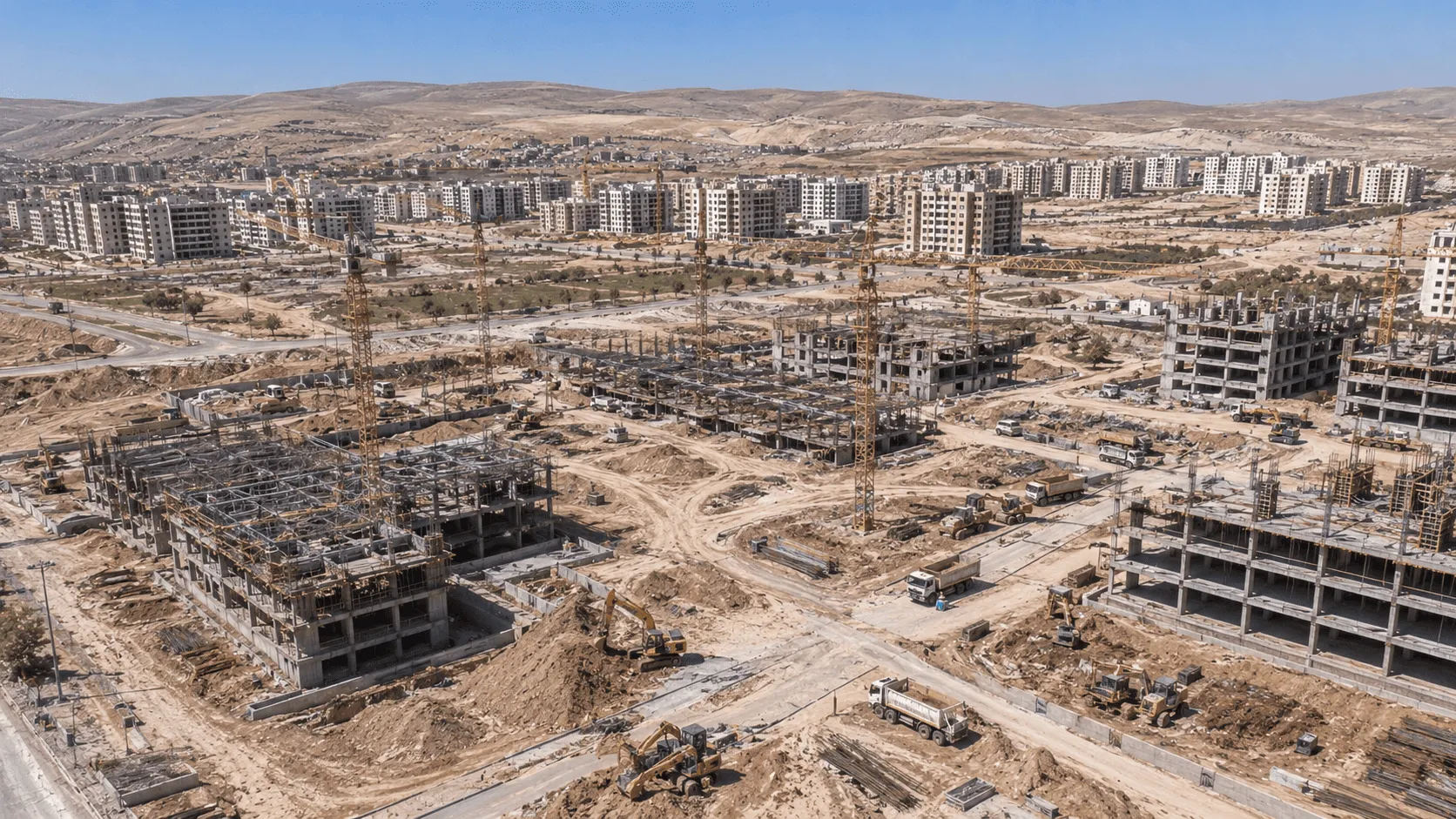
Implementation timeline of the Al-Bajaa project
The Al-Bajaa project has an announced implementation period of eight years, with residential construction, infrastructure networks, and supporting facilities planned for delivery in successive phases. This approach allows the development to progress across different areas of the site rather than requiring all construction work to be completed simultaneously.
Overall implementation period
The eight-year timeframe covers the project’s overall development program, not a single construction or handover date. Individual phases will require their own schedules for infrastructure installation, building construction, and service completion.
For contractors and suppliers, the overall timeframe indicates a long-term construction program, while actual work schedules and material requirements will depend on the detailed plans and contracts for each phase.
Project phases
The project is planned for phased implementation, allowing infrastructure and residential construction to be organized according to the requirements of each development area. From an execution perspective, this involves coordinating several activities:
- Site preparation: Preparing development areas for infrastructure and building works.
- Infrastructure works: Installing roads and utility networks required to support construction and subsequent use.
- Building construction: Executing residential buildings and associated facilities according to each phase’s approved designs.
- Materials and equipment supply: Planning procurement and deliveries around construction schedules, specifications, and required quantities.
The final sequence, duration, and scope of individual phases will depend on the approved implementation program. These details are particularly relevant to construction companies and suppliers assessing the resources and delivery capacity needed for their potential involvement.
Al-Bajaa project developers and institutional framework
The Al-Bajaa project is being developed through a partnership between Syria’s General Establishment for Housing and Saudi Arabia’s Abyat for Investment and Real Estate Development. The partnership brings together a public housing institution and a private real estate developer to implement the planned urban community.
General establishment for housing
The General Establishment for Housing operates under Syria’s Ministry of Public Works and Housing and serves as the project’s public-sector partner. Its involvement provides the institutional framework for land-related matters, development planning, and oversight of implementation.
For companies interested in the project, this framework is relevant to understanding the public authority involved and the importance of approved plans and official project documentation.
Abyat for investment and real estate development
Abyat for Investment and Real Estate Development is the Saudi developer participating in the Al-Bajaa project. The company has also announced the Abyat Hills development in the Qudsaya suburb as part of its real estate investment activity in Syria.
Abyat’s development responsibilities encompass several areas:
- Preparing detailed development plans and organizing implementation phases.
- Managing the development of residential buildings and infrastructure.
- Developing the public facilities and supporting services included in the urban community.
- Coordinating technical and construction requirements throughout implementation.
The announced project framework provides the basis for development, while detailed designs will establish the distribution of buildings, infrastructure, and services, along with construction specifications and phase schedules. For contractors, engineering firms, and materials suppliers, these documents will be essential to evaluating the actual scope of work and any future contracting or supply opportunities.
Read also: Foreign Investment in Syria: How to Enter the Syrian Market Step by Step
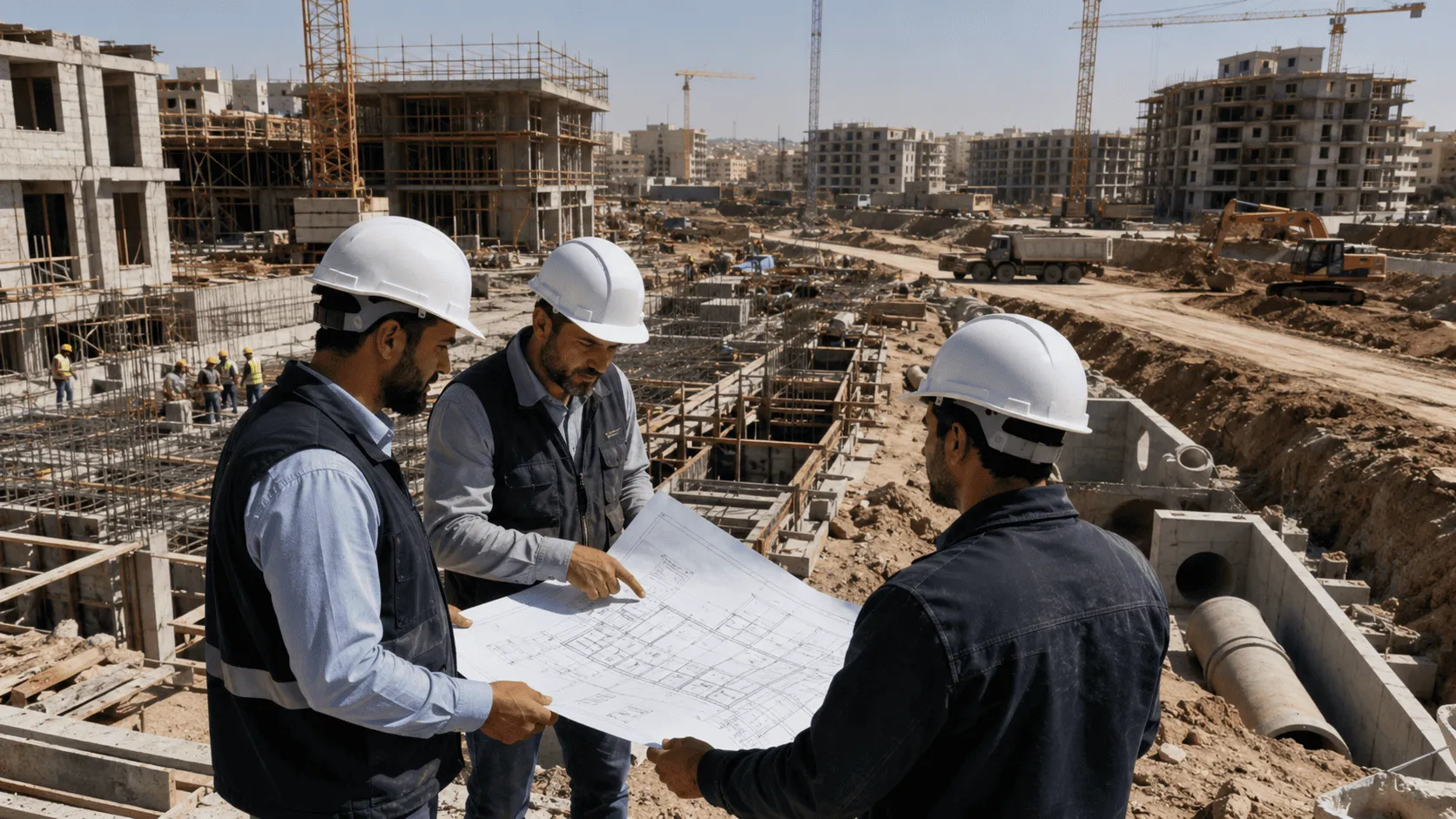
Al-Bajaa project financing and progress oversight
The financing framework announced for the Al-Bajaa project and Abyat Hills links subscriber payments to verified construction progress. Under the mechanism presented at their launch, subscription funds are deposited in a joint bank account between the General Establishment for Housing and the implementing company, with withdrawals tied to actual completion rates.
For developers and construction companies, this arrangement highlights the importance of progress verification and financial oversight. However, the announced mechanism does not establish the payment terms for contractors or suppliers, which must be determined through the relevant project agreements.
Why the Al-Bajaa project matters for Syria’s construction sector
The Al-Bajaa project represents a potential source of demand for construction, engineering, and supply services in Syria. Its significance for businesses extends beyond residential construction to the infrastructure, materials, equipment, and technical services required to develop the urban community.
The main areas of potential activity include:
Contracting and engineering services
The development will require expertise across residential construction, infrastructure, and building systems. Depending on the approved work packages, opportunities may arise for general contractors, specialized subcontractors, engineering consultants, and companies providing installation, testing, and inspection services.
Building materials and equipment supply
Construction activity could generate demand for concrete, reinforcement steel, aggregates, piping, electrical components, and other building materials. For suppliers, the relevant opportunities will depend on the specifications, bills of quantities, procurement arrangements, and delivery requirements established for the contracted works.
Employment and supporting services
According to the launch announcements, the Al-Bajaa and Abyat Hills projects together are expected to generate more than 2,000 direct jobs and over 6,000 indirect jobs during implementation. These projections cover both developments, not Al-Bajaa alone.
Beyond construction labor and engineering personnel, the projects may create demand for equipment rental, transportation, warehousing, and other supporting services. The extent of these opportunities will depend on the work packages awarded and the pace of implementation.
Read also: Rebar Supply in Syria: What to Check Before You Buy?
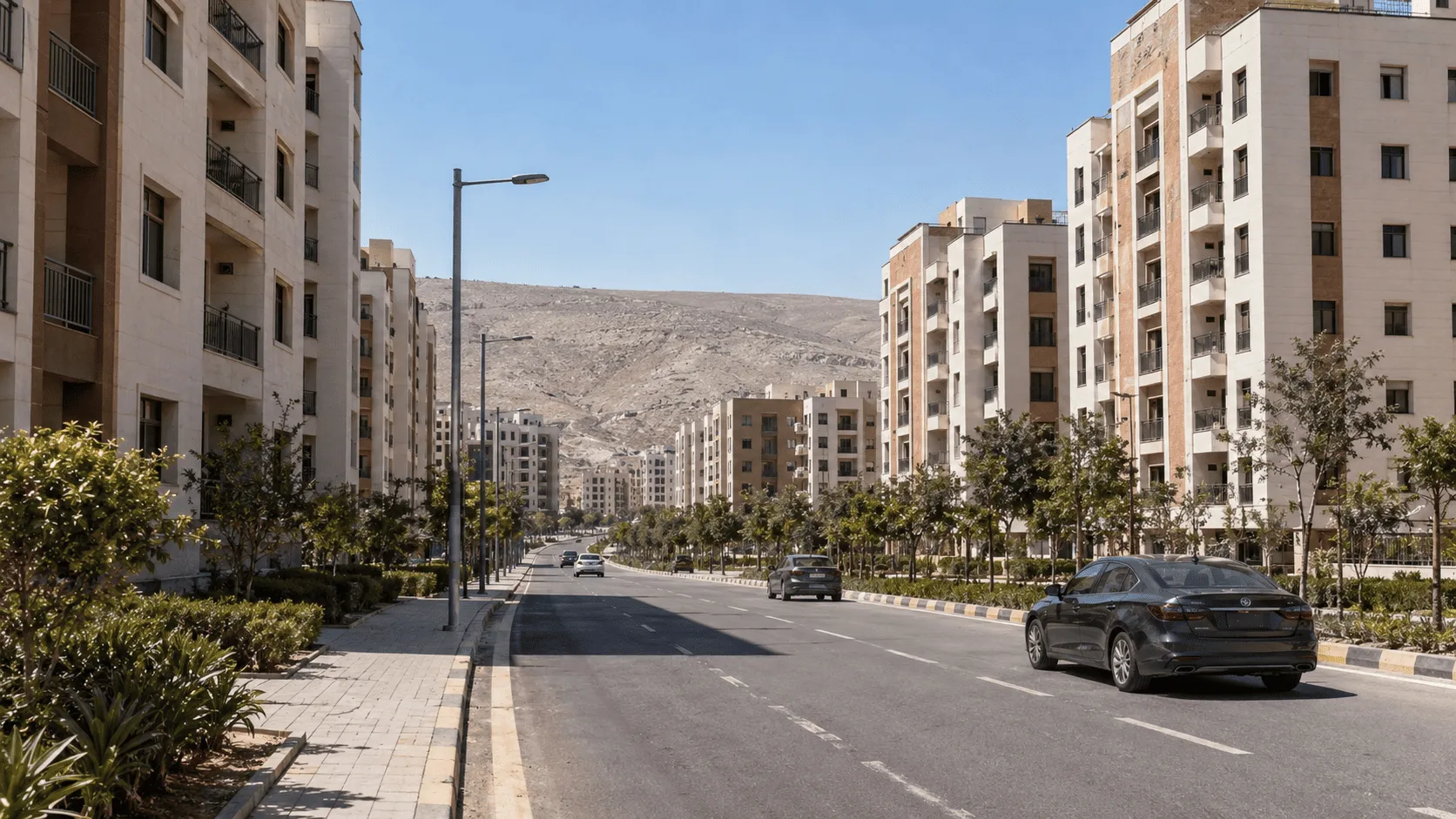
Qiwaa Advance: Best solutions for large-scale construction projects in Syria
Large urban developments such as the Al-Bajaa project highlight the importance of coordinating construction work, infrastructure requirements, and materials supply throughout implementation. For developers and contractors, translating approved designs into practical execution and procurement plans is essential to managing projects of this scale.
At Qiwaa Advance, we support developers, contractors, and project owners in Syria through contracting, building materials supply, and industrial solutions. Depending on your project’s scope and technical requirements, our services include:
- Construction and infrastructure contracting: Delivering building works, water networks, treatment plants, and infrastructure projects.
- Building materials supply: Matching material specifications and quantities to approved drawings and bills of quantities.
- Procurement coordination: Aligning material orders and deliveries with construction schedules and site requirements.
- Technical review: Assessing specifications and execution requirements to identify suitable contracting and supply solutions.
Whether you are preparing a new development or managing an active construction phase, we can help define the services and resources your project requires.
Contact the Qiwaa Advance team and share your drawings, specifications, or bills of quantities to discuss the contracting, supply, or industrial solutions suited to your project.
Read also: Infrastructure Contracting in Syria: Choosing the Right Contractor
FAQs about the Al-Bajaa project
Is the Al-Bajaa project the same as Abyat Hills?
No. Al-Bajaa and Abyat Hills are separate real estate developments in Rural Damascus. Both involve Saudi developer Abyat and the General Establishment for Housing, but have different locations, development plans, and project scopes.
What types of construction work will the Al-Bajaa project require?
The planned urban community involves residential buildings, road networks, utilities, and supporting facilities. The exact construction packages and technical requirements will be determined by the approved project documents.
Can contractors estimate material demand from the project’s announced figures?
The land area and planned housing units indicate the scale of development but are insufficient to calculate material quantities. Reliable estimates require construction drawings, technical specifications, and bills of quantities.
Does the eight-year implementation period establish individual construction schedules?
No. The announced timeframe covers the overall development program. Individual construction schedules, procurement requirements, and delivery milestones depend on the detailed plans for each phase.
How can contractors and suppliers assess opportunities in the Al-Bajaa project?
Companies should follow official announcements from the developer and relevant public authorities for contracting and procurement information. Any potential opportunity must be assessed against its published scope, technical requirements, and contractual terms.