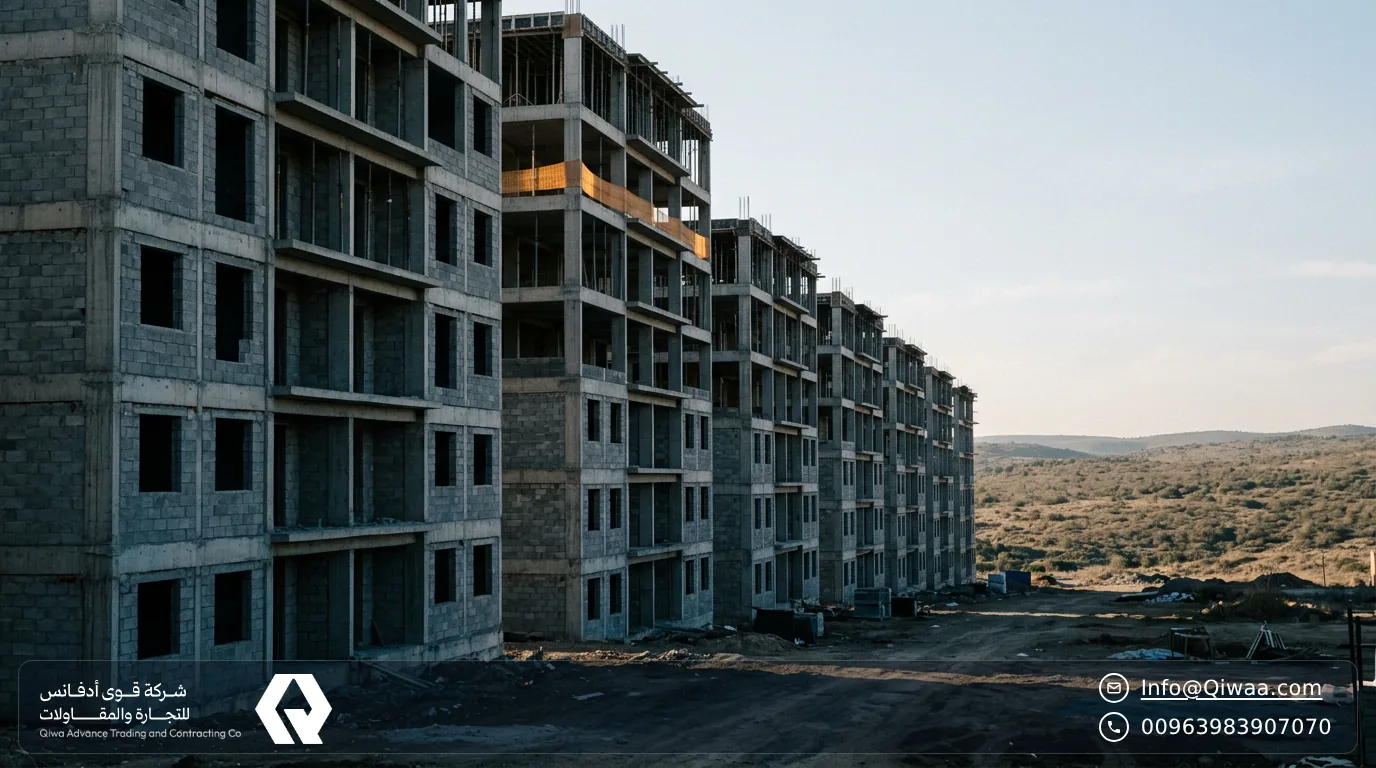


Rising visitor numbers do not tell hotel developers where new rooms are needed or whether renovation is more viable than new construction.
This guide to hotel construction in Syria covers how to assess demand, navigate tourism licensing, plan construction and fit-out, estimate budgets, and manage contractual risks before work begins.
Hotel construction opportunities in Syria
Syria’s hotel market presents two development opportunities: upgrading existing properties and constructing hotels for underserved segments. According to the tourism minister, around 60% of the country’s hotel rooms are in one- and two-star properties. The Ministry of Tourism’s hotel upgrade programme initially targeted 332 establishments with approximately 10,000 rooms, highlighting the scale of the renovation market.
For contractors, hotel renovation requires more than replacing finishes. Structural condition, existing building services, target classification standards, and operational continuity must be assessed before defining the scope. Where a hotel remains partly open, construction phases must also account for guest safety, service interruptions, and separation of occupied areas from active works.
For new developments, the priority is identifying which hotel category and location can support the proposed investment, rather than assuming national visitor growth justifies additional rooms everywhere.
Syria’s hotel supply and visitor figures for 2025–2026
| Indicator | Figure | Period |
|---|---|---|
| Total visitors | Approximately 3.56 million, up 18% year on year | January–November 2025 |
| Total visitors | 3.52 million, up 111% from 1.67 million | First half of 2026 |
| Syrian expatriate visitors | 2.13 million of the 3.52 million total | First half of 2026 |
| Hotel rooms nationwide | Fewer than 20,000, according to the tourism minister | September 2026 |
| One- and two-star room share | Approximately 60% of the reported stock | September 2026 |
| Hotel upgrade programme | 332 hotels at the programme’s launch | June 2026 |
The visitor figures include Syrian expatriates, many of whom may stay with relatives rather than in commercial accommodation. They should therefore not be treated as a direct measure of hotel room demand.
How to assess hotel room demand in Syria
Published estimates of Syria’s hotel inventory differ. The National reported approximately 5,000 rooms in September 2026 without specifying the counting methodology, while the tourism minister’s estimate placed national stock below 20,000 rooms. Without consistent definitions of operational, licensed, or available rooms, these figures cannot be reliably reconciled.
Mourhaf Nazha, chairman of the Federation of Syrian Chambers of Tourism, estimated a need for approximately 20,000 additional rooms over the medium term. However, this is a sector-level estimate, not a demand forecast for a specific city or hotel category.
Before fixing the room count or target classification, developers should assess competing hotels by location and category, available room inventory, occupancy, average daily rate (ADR), seasonal demand, and planned supply. These findings help determine whether to renovate an existing property, reposition it for another market segment, or develop a new hotel with a financially supportable capacity.
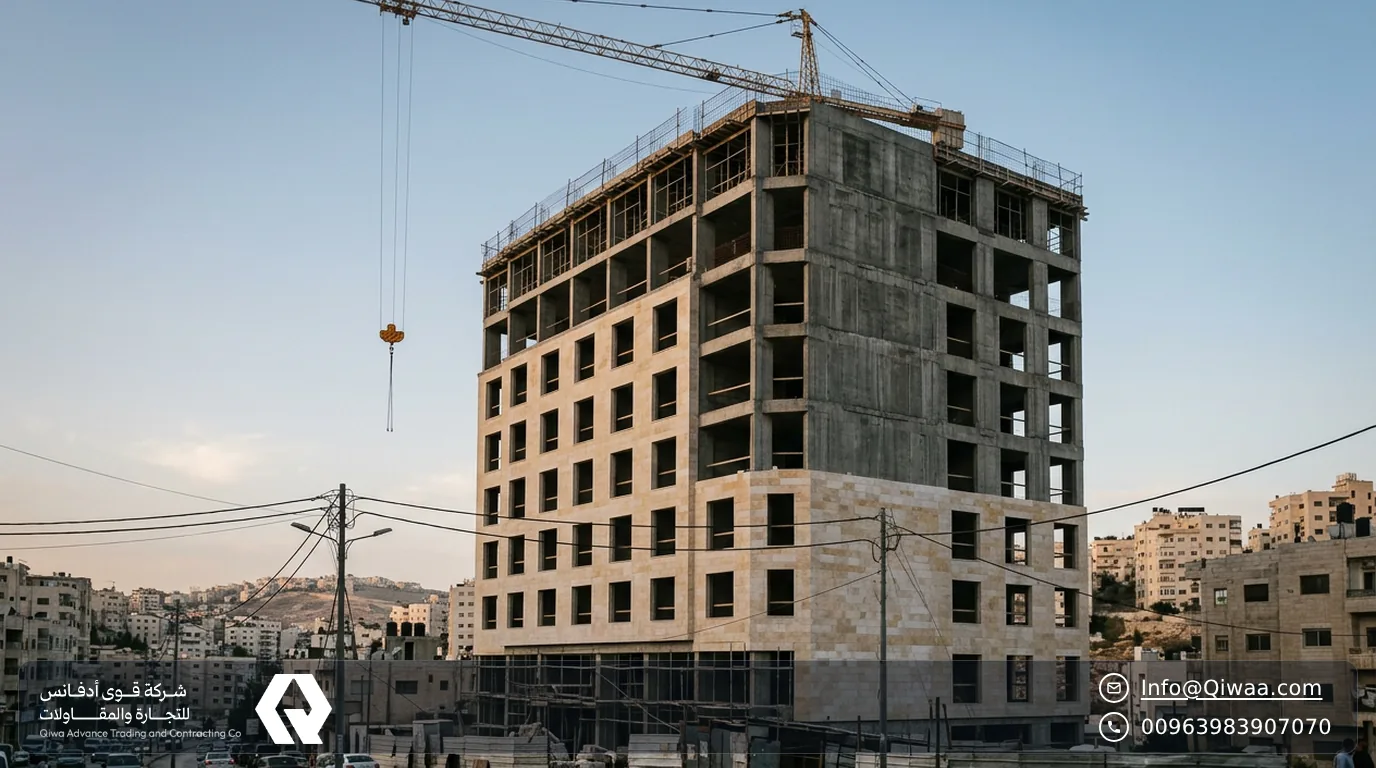
Hotel projects in Syria by approval stage
Announced hotel projects in Syria are at different stages of development. For contractors and suppliers, the distinction matters: a development licence, a framework agreement and a construction permit do not establish the same readiness for execution or procurement.
| Project | Parties and announced scope | Confirmed development stage | Announcement |
|---|---|---|---|
| The Beaumont Damascus | Ministry of Tourism and Izdihar Holding. Five-star hotel with approximately 150 rooms, alongside residential, commercial and leisure facilities. | Development and real-estate investment licence granted. Land handover and remaining permits were still pending when construction was targeted to begin before the end of 2026. | Partnership: 7 April 2026. Licence: 3 September 2026. |
| Arada New Damascus | Arada and the Syrian Sovereign Fund. A USD 7 billion mixed-use development incorporating 500 hotel rooms and 1,000 serviced apartments. | Joint venture and development announced. Master planning was progressing, but no detailed hotel construction packages or procurement schedule had been published. | Agreement: 31 August 2026. |
| Eco Life, Latakia | Eagle Hills and Syrian government entities. Coastal development featuring a marina, hospitality facilities, villas and residential areas. | Framework agreement signed; project in the design stage. No confirmed hotel room count or construction tender packages. | Agreement: 5 October 2026. |
What does each stage mean for contractors?
The Beaumont is more advanced in the approval process, but its development licence alone does not confirm that construction permits or subcontracting packages are available. Contractors should verify the remaining approvals, identify the appointed project delivery team and request the relevant technical documents before pricing work.
Arada and Eco Life offer earlier opportunities to register interest and prepare company qualifications. However, without approved designs, bills of quantities (BOQs) and procurement schedules, their announced investment values cannot be converted into reliable construction or supply orders.
For Eco Life, the tourism minister indicated that construction could begin approximately five to six months after the necessary designs, procedures and land handover are completed. This remains a conditional target rather than a confirmed start date.
For further project-specific analysis, see our articles on Eagle Hills in Syria and the Arada Damascus project.
Hotel construction licences in Syria under law No. 23
Before committing to hotel construction in Syria, developers must distinguish between investment approvals, tourism establishment licences and other required building permits.
Law No. 23 of 2022 establishes two preliminary tourism licences:
- Tourism construction licence: Required for establishing a new tourism facility, based on architectural plans and applicable tourism specifications.
- Tourism utilisation licence: Applies to the tourism use of an existing building, based on architectural plans approved by the relevant local authority.
Neither replaces other permits required under applicable laws and regulations.
For project planning, developers and contractors should address four approval and delivery checkpoints:
- Confirm the applicable licences. Establish whether the project requires a tourism construction or utilisation licence, verify its status and identify the remaining building and administrative approvals before scheduling site works.
- Approve the design and hotel category. Coordinate architectural drawings, MEP requirements, operator specifications and the intended classification before releasing construction and fit-out packages.
- Complete construction and commissioning. Verify that the completed works meet the approved specifications, test building systems and resolve defects before the facility enters operation.
- Complete classification and operating approvals. The provincial tourism classification committee determines the facility’s classification, while the tourism operating licence is issued by ministerial decision. The minister may authorise trial operation for three months before the final licence, with one extension permitted by a reasoned decision.
The law also provides a classification appeal process, with the relevant committee required to decide within 15 days of registration. Continuing to operate without the necessary licence after the permitted trial period can result in penalties.
The Beaumont Damascus illustrates why licence status must be checked carefully. Its development and real-estate investment licence was announced on 3 September 2026, while land handover and additional permits remained part of the next implementation steps. That announcement should not be treated as confirmation of a tourism construction licence or permission to begin all site works.
For contractors, the practical requirement is to connect the construction programme, procurement commitments and contractual commencement dates to verified approvals, rather than relying on an announced investment milestone.
The licensing framework above is based on the published text of Law No. 23 of 2022. Project-specific requirements, subsequent amendments and implementing decisions should be confirmed with the Ministry of Tourism and qualified local legal advisers.
Why hotel mock-up room approval matters before fit-out
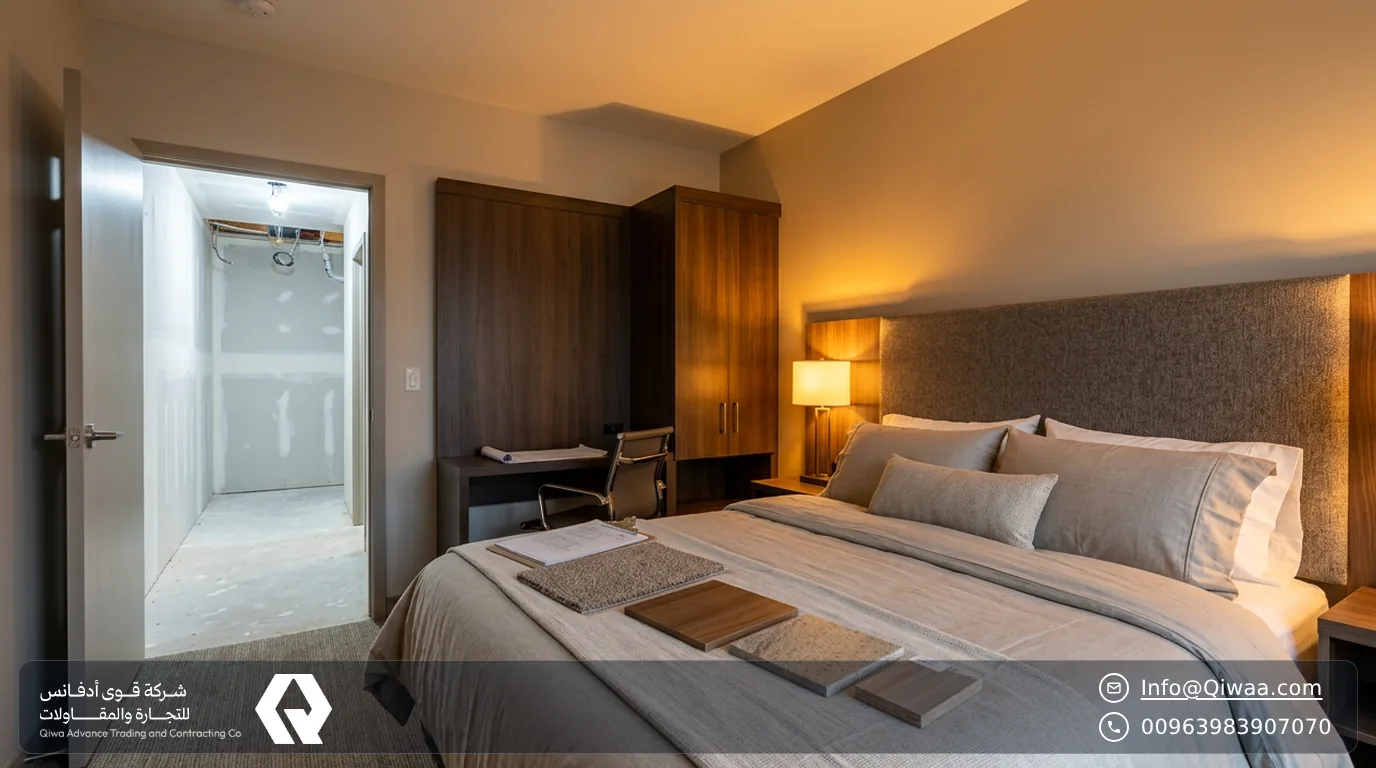
A hotel mock-up room provides a physical reference for approving guestroom finishes, fixtures and coordinated building services before the same design is repeated across multiple rooms.
The sample should reflect the approved room type, including bathroom fixtures, lighting, electrical outlets, doors, locks, built-in joinery and relevant acoustic and MEP details. The owner, operator and responsible consultants review the elements within their respective approval scopes before repetitive installation begins.
The importance of this approval was demonstrated by the Seven Gates hotel redevelopment contract in Damascus. According to the Ministry of Tourism’s statement published on 6 April 2026, the agreement required a mock-up room and suite within two months of signing. The ministry reported that these had not been completed within the contractual period, preventing their approval and the agreed commencement of the related works. This was among the contractual shortcomings cited by the ministry when explaining the termination.
The lesson is not that every hotel must complete a mock-up within two months. It is that the mock-up approval deadline, responsible reviewers and permission to begin repetitive work must be clearly defined in the contract.
Before releasing repetitive fit-out work, the project team should confirm that the mock-up has resolved material selections, fixture positions, installation details and interfaces between trades. Any outstanding deviations should be recorded and assigned before approval.
A late change to a bathroom layout or electrical point may require reworking one sample room. The same change after installation across several floors can affect materials, labour, completed finishes and the construction programme.
Supplier quotations and preliminary quantities can be prepared before mock-up approval, but final specifications and bulk production releases should reflect the approved design and contractual procurement requirements.
Estimating hotel FF&E ccosts in Syria for 120 rooms
A hotel construction budget should distinguish between building works, technical systems, finishes, furniture and operating supplies. Combining them into a single cost-per-room allowance can conceal missing items or overlapping supplier responsibilities.
The main construction and procurement packages include:
- Construction: Structural works and building envelope, priced against approved drawings and the bill of quantities.
- MEP systems: HVAC, water supply, drainage, fire protection, standby power and low-current systems.
- Interior fit-out: Floors, wall finishes, ceilings, doors and fixed joinery, according to the agreed contract scope.
- FF&E: Furniture, fixtures and equipment, including guestroom furniture and specified public-area or back-of-house equipment.
- OS&E: Operating supplies and equipment, such as linen, tableware and housekeeping items, generally procured in coordination with opening requirements.
These packages do not represent the entire development budget. Land, design fees, statutory charges, financing, pre-opening expenses and contingencies must also be considered separately.
Reliable Syrian hotel construction cost benchmarks are not established by the available published data. The HVS U.S. Hotel Development Cost Survey 2026 provides a useful reference for development cost categories, but its US figures should not be used as Syrian market prices.
For a proposed 120-room hotel, the FF&E budget can be structured as follows:
FF&E budget = (120 × approved guestroom FF&E unit cost) + public-area FF&E + back-of-house equipment + applicable procurement allowances
The guestroom unit cost should come from supplier quotations based on the approved room specification and mock-up, with adjustments for different room types where required.
Public-area and back-of-house equipment should be priced against separate schedules covering the facilities included in the project. Freight, customs duties, installation and contingency allowances should be added where they are not already included in supplier prices.
This approach also makes specification changes measurable. If an approved furniture or equipment change adds an amount Δ to each identical guestroom, its direct effect across 120 rooms is 120 × Δ, before any additional logistics or installation costs.
Developers should therefore use the approved mock-up, coordinated equipment schedules and supplier quotations to establish a traceable FF&E budget, rather than applying an unsupported average cost per hotel room.
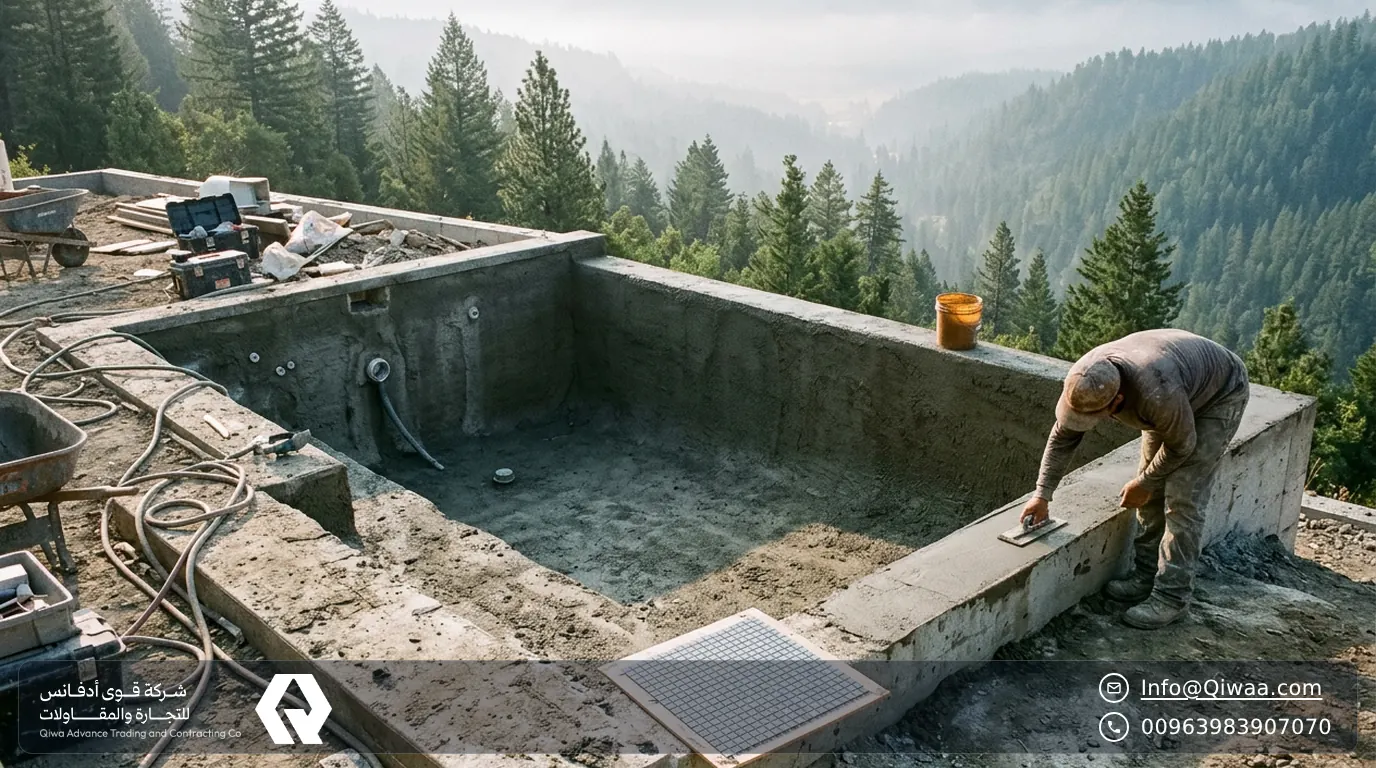
The hotel construction process in Syria
Hotel construction in Syria requires coordinated approvals, design, procurement and site execution. Delays often arise when construction advances before technical decisions are approved or when equipment arrives after the areas requiring it are ready. The following seven stages provide a practical framework for controlling these dependencies:
- Licensing and approvals: Confirm the applicable tourism and building permits before authorising the relevant works. The deliverable is a verified approvals register; incomplete drawings or unresolved hotel classification requirements can delay mobilisation.
- Design and coordination: Approve architectural, structural and MEP drawings, operator requirements and critical material specifications. Develop the mock-up room and secure its approval before repetitive fit-out. Late design changes can affect completed work and procurement orders.
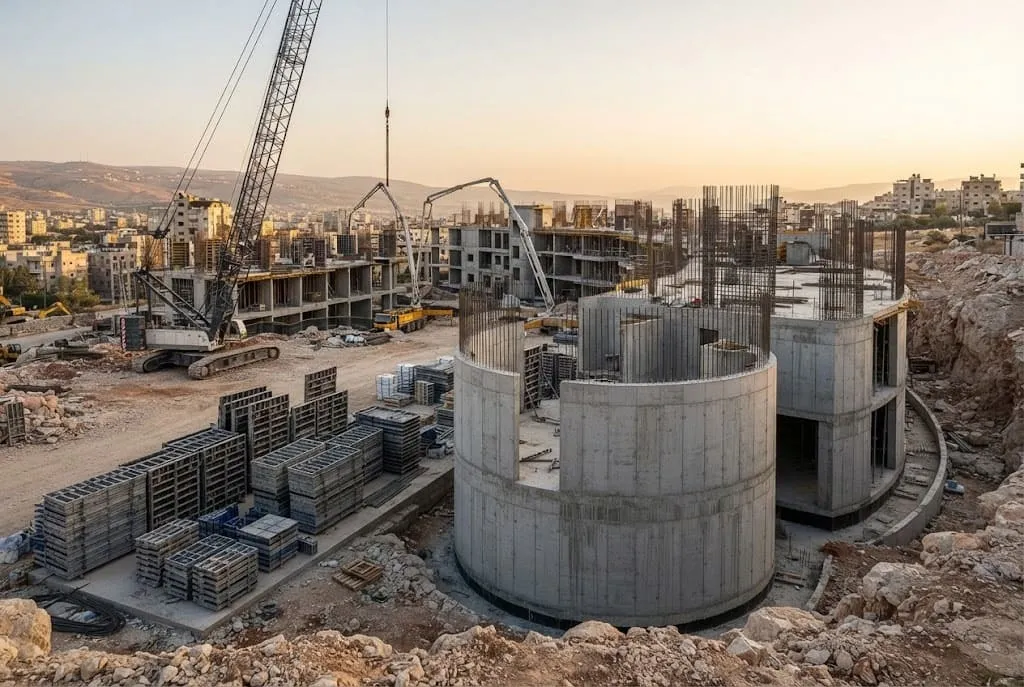
- Structural construction: Complete and inspect the structural work required to release areas to subsequent trades. Formwork selection, reinforcement supply, concrete strength and unresolved service openings can disrupt the planned casting cycle.
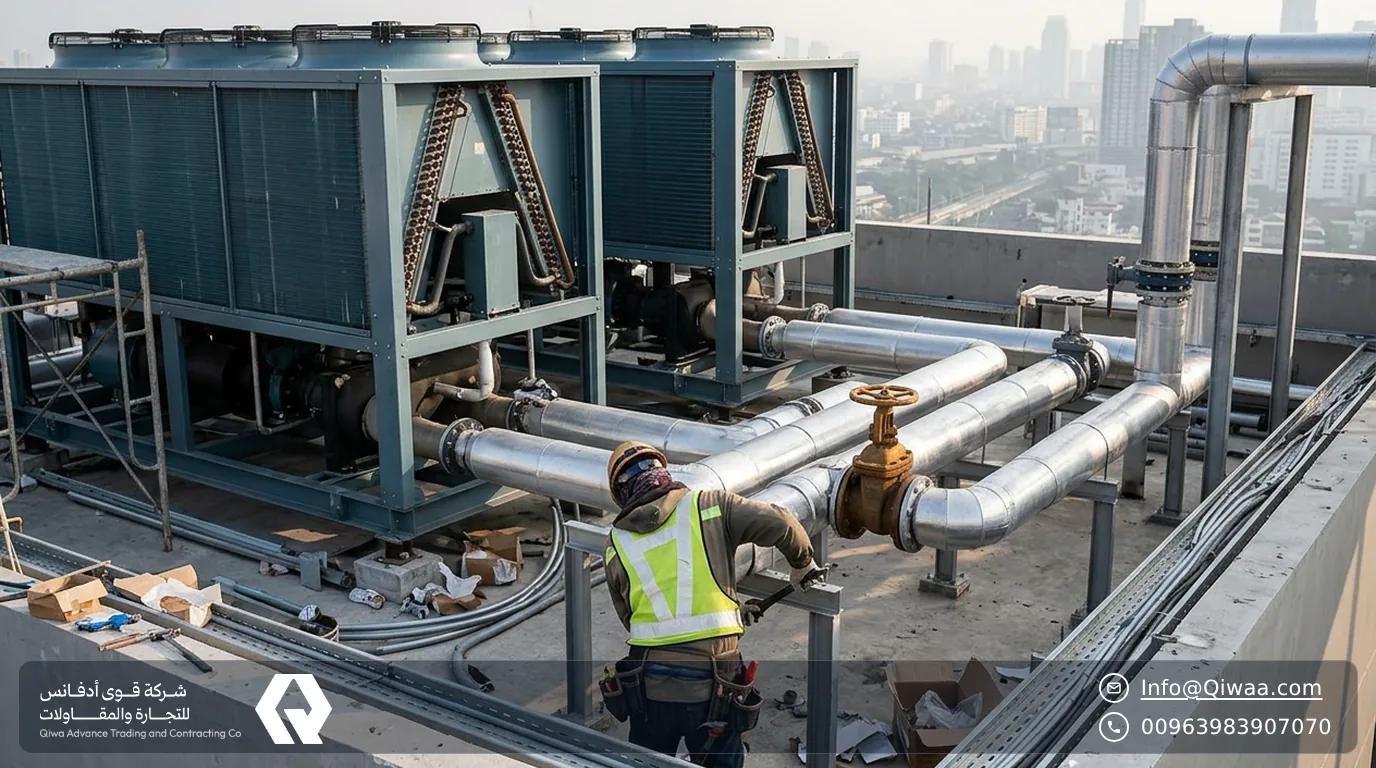
- MEP installation and testing: Install services in released areas, including HVAC, plumbing, electrical and fire protection systems. Complete the required inspections and tests before concealing installations or closing finishes. Late equipment delivery and unresolved service clashes can delay handover.
- Interior finishing: Complete rooms and public areas against approved specifications and mock-up details. Changes to finishes or fixture locations after repetitive installation begins create rework across multiple rooms.
- FF&E installation: Deliver and install furniture and equipment once the receiving areas are sufficiently complete and protected. Long-lead items must be procured earlier in the programme, not ordered only when finishing ends.
- Commissioning and opening: Verify building-system performance, resolve defects, complete operator training and coordinate OS&E readiness, classification and the required tourism operating approvals. Unresolved system faults or incomplete handover documentation can postpone opening.
These stages overlap in practice. Procurement may begin during design, while MEP and finishing teams work in different released areas. The construction programme should therefore identify approval gates, handover conditions and dependencies between trades, rather than treating every stage as a separate activity.
Sequencing hotel guestroom floors and fit-out
Hotels with repeated guestroom layouts can use a staggered construction sequence, allowing structural, MEP and finishing teams to work on different floors. The benefit depends on releasing each floor safely and ensuring that drawings, service openings and room specifications are coordinated before work advances.
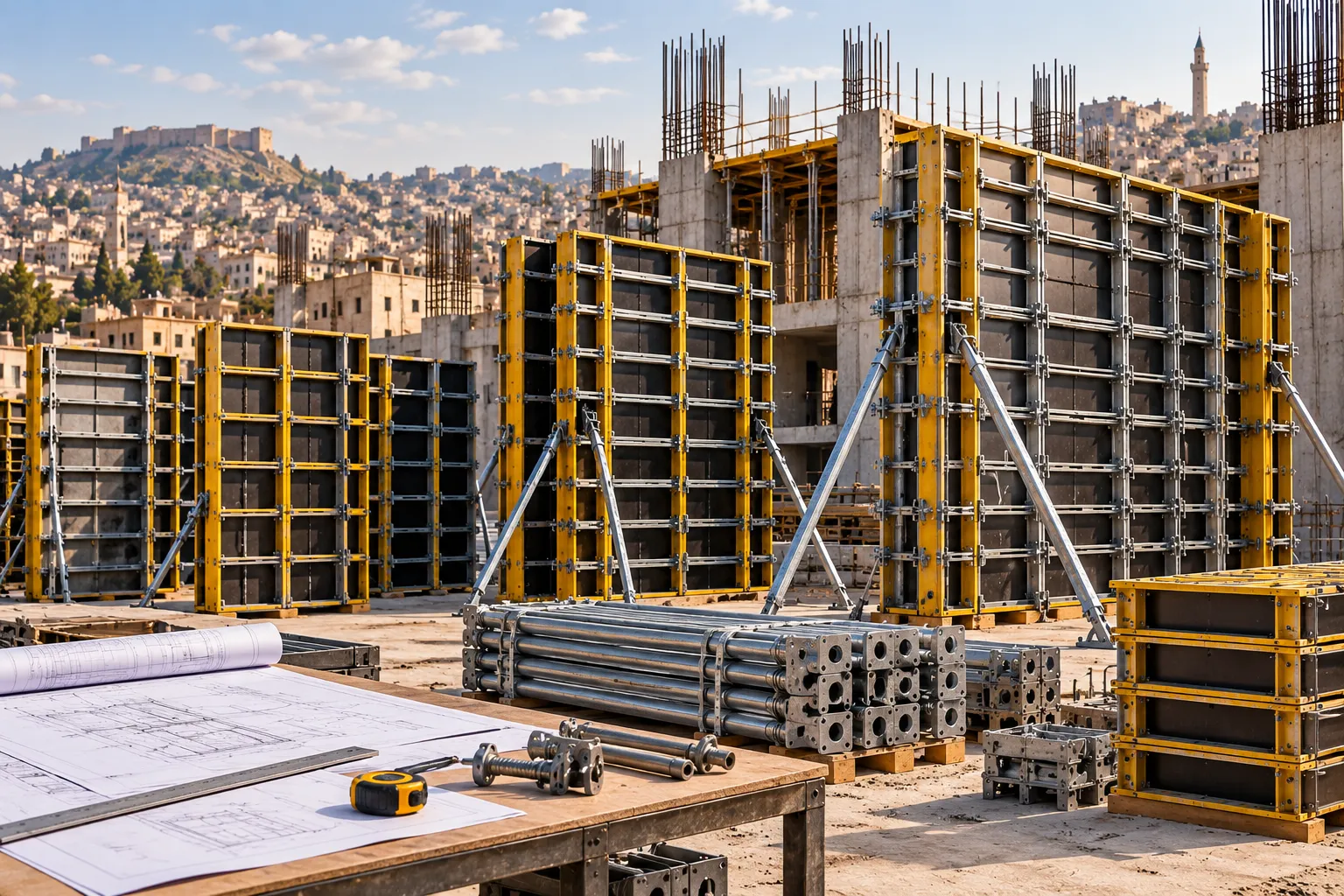
For structurally suitable projects, tunnel formwork can support repetitive construction by casting adjoining walls and slabs in a coordinated cycle. However, its suitability depends on the structural design, repeated wall layouts, spans, openings and formwork reuse. Qiwaa Advance explains these requirements in its guide to tunnel formwork systems in Syria.
Three coordination decisions are especially important:
- Before structural casting: Confirm service shafts, sleeves, embedded components and openings against coordinated structural and MEP drawings. Late changes may require redesign or remedial work in completed concrete.
- Before repetitive MEP installation: Freeze bathroom layouts, electrical points, lighting positions and HVAC terminal locations. These details should agree with the approved interior design and relevant mock-up requirements.
- Before repetitive finishing and FF&E installation: Approve the mock-up, resolve outstanding technical comments and release consistent room specifications for procurement and installation.
Tunnel formwork is not automatically suitable for the entire hotel. Guestroom floors with repeated structural walls may support its use, while lobbies, ballrooms and restaurants often require larger spans or different structural arrangements. The structural consultant must confirm the appropriate system for each area.
The same interface coordination applies to commercial interiors, as discussed in our guide to commercial fit-out in Syria. In hotels, the added challenge is repeating approved room details consistently while coordinating shared building services and public-area requirements.
Planning water, wastewater, and power for coastal resorts in Syria
For resort development on Syria’s coast, unreliable or unavailable utility connections can affect feasibility, construction scope and long-term operating costs. Water supply, wastewater treatment and electrical capacity must therefore be evaluated before finalising the resort’s master plan and infrastructure budget.
- Water supply: Developers should verify the available source, water quality, daily and peak demand, storage requirements and reliability of the public network. Where the available supply is insufficient or unsuitable, groundwater treatment, desalination or a combined system may be considered. Desalination requires additional evaluation of energy consumption, pretreatment and brine disposal. Our article on water desalination plants in Syria explains how these requirements can be coordinated through an EPC contract.
- Wastewater: The project must confirm whether an existing sewerage network can accept the resort’s expected flows. Where connection is unavailable or inadequate, an on-site treatment solution may be required. Its design should account for peak-season occupancy, kitchen and laundry discharge, treatment performance and permitted disposal or reuse.
- Power: Developers need an electrical load assessment covering guest accommodation, cooling, pumping, kitchens, lifts and other facilities. Backup generation and, where suitable, solar power with appropriately designed storage or other backup arrangements should be evaluated against the critical-load schedule, outage duration and applicable safety requirements.
Coastal exposure introduces additional engineering requirements. The structural and materials specifications should address chloride exposure, reinforcement protection and corrosion resistance for exposed metalwork, based on site conditions and the applicable design standards.
Finally, construction logistics must be assessed before mobilisation. Access roads must accommodate the intended deliveries, while crane locations, material storage, coastal-site restrictions and seasonal traffic can affect construction sequencing.
For developers, the key decision is whether existing utilities can support the planned resort at peak occupancy or whether dedicated infrastructure must be included in the initial development scope. Resolving this early makes the construction budget, operating costs and project schedule more reliable.
16 checks before signing a hotel construction contract in Syria
Unclear deadlines, missing approvals and poorly defined responsibilities can delay hotel projects before construction begins. The Seven Gates hotel contract in Damascus, signed on 20 August 2025 and terminated by mutual agreement on 18 December 2025, illustrates these risks.
The first five checks draw on shortcomings reported by the Ministry of Tourism on 6 April 2026. The remaining items address broader construction and redevelopment risks.
- Confirm performance guarantee requirements. Specify the amount, form, issuing bank and submission deadline. Under Article 13 of the Seven Gates contract, final guarantees were due within 15 days of signing but were submitted on 16 October 2025.
- Set the mock-up approval deadline. Identify who must build, inspect and approve the sample room and suite before repetitive work begins. The Seven Gates contract required both within two months of signing.
- Agree on the construction schedule. Define when the baseline programme must be submitted and approved, including key milestones and dependencies. The Seven Gates programme was submitted on 29 October 2025, beyond its contractual one-month deadline.
- Verify the appointed contractor’s qualifications. Require evidence of relevant engineering experience, completed projects and formal appointment. The ministry reported that the required proof of contractor appointment had not been provided by 30 November 2025.
- Confirm financial capacity. Establish which financial documents the investor must submit and when. In the Seven Gates case, the ministry reported that a bank statement demonstrating financial solvency from a bank operating in Syria had not been provided.
- Establish the tourism licence status. Identify the applicable tourism construction or utilisation licence, outstanding approvals and the party responsible for obtaining them. Define how permit delays affect commencement and contractual obligations.
- Verify building permits and related approvals. Confirm which permits are required beyond the tourism licence and identify any outstanding conditions that could prevent the relevant works from proceeding.
- Fix the target hotel classification. Agree on the intended category and corresponding design and fit-out specifications before finalising the construction scope and procurement requirements.
- Identify the hotel operator and approval responsibilities. Confirm applicable brand standards and who approves drawings, materials and the mock-up room. Set review deadlines to prevent late changes from disrupting construction.
- Define the FF&E procurement scope. Specify who purchases, delivers, installs and tests each equipment package, and who bears responsibility for damage or loss before handover.
- Separate FF&E from OS&E. Establish distinct procurement schedules and responsibilities for furniture and installed equipment versus operating supplies such as linen and tableware. Align delivery dates with installation and opening requirements.
- Review termination and guarantee-return provisions. Define the grounds for termination, notice requirements, opportunities to remedy breaches and the treatment of guarantees. In the Seven Gates case, the ministry cited Article 21 and reported returning the final guarantees under Decision No. 1646 of 21 December 2025.
- Define when the completion period begins. Tie contractual deadlines to an identifiable event, such as site handover or a notice to proceed, and address delays outside the contractor’s control. The Beaumont Damascus project illustrates a different starting point: its announced four-year delivery period runs from the joint company’s formal establishment.
- Require a condition survey for hotel renovations. Before final pricing, document structural defects, existing MEP networks and access constraints. Define how previously undiscovered conditions will be handled through variations, cost adjustments or extensions of time.
- Agree on payment and banking terms. Specify the payment currency, banking arrangements, milestone payments and procedures for delayed payments. Review the performance bond and any retention requirements separately.
- Allocate commissioning and defect responsibilities. Identify who tests building systems, provides handover documents and resolves faults discovered during commissioning and trial operation. Define the defects liability period and the conditions for final acceptance.
For each requirement, the contract should identify the responsible party, required evidence, deadline and consequence of non-compliance. This turns the checklist into a practical control for reducing disputes, rework and delays before hotel construction begins.
How Qiwaa Advance Supports Hotel Construction in Syria
Hotel developers need construction systems and suppliers that match their approved designs, procurement schedules and operating requirements.
At Qiwaa Advance, we support selected hotel construction and supply packages in Syria through specialised formwork solutions, infrastructure works, interior fit-out and hospitality supplies.
Our relevant services include:
- Formwork systems: Through our authorised agency with Variant Factory LLC, we help contractors evaluate formwork for hotel structures. Tunnel formwork may suit repeated guestroom floors with compatible load-bearing wall layouts, while other systems may be needed for lobbies, restaurants and open-span areas. Selection depends on structural drawings, floor repetition, openings and the planned casting sequence.
- Water and wastewater infrastructure: Qiwaa Contracting undertakes water, treatment and desalination projects under the EPC model, working with Saudi-based Amiantit on water infrastructure solutions, including GRP pipes. For coastal resorts with insufficient utility connections, we can assess the relevant infrastructure requirements against the project’s water demand and network conditions.
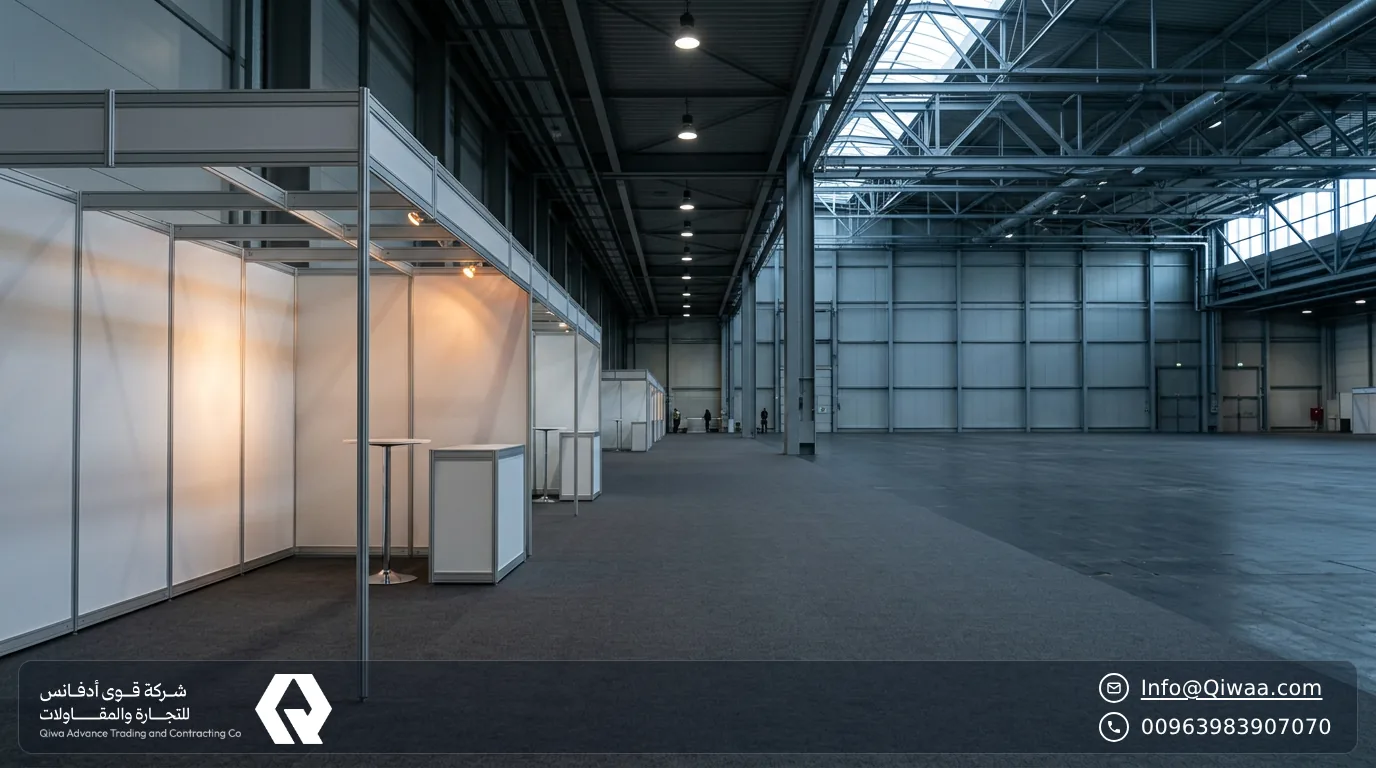
- Interior fit-out: Qiwaa Contracting provides interior fit-out services. For hotel projects, the scope must align with approved room specifications, mock-up details and MEP interfaces to avoid discrepancies during repetitive installation.
- Hospitality supplies: Through our authorised agency with Ariane Fine Porcelain, we supply professional porcelain tableware for hotel restaurants and banqueting facilities. These products fall within OS&E procurement and should be selected against the operator’s service requirements and purchasing schedule.
Choosing between integrated and separate hotel contracts
Hotel developers can combine several construction and supply packages under an integrated contract or award them separately. Neither approach automatically guarantees lower costs or faster delivery. The appropriate choice depends on the project’s scope, management capacity and allocation of contractual responsibilities.
| Criterion | Integrated contract | Separate contracts |
|---|---|---|
| Coordination | One contractor manages interfaces within its agreed scope. | The developer or appointed project manager coordinates separate contractors. |
| Mock-up approval | The contractor coordinates its responsible trades, while approvals remain with the designated reviewers. | Several contractors may contribute to the mock-up, requiring clear approval and handover responsibilities. |
| Scheduling | Related packages can follow one coordinated programme, but delays may affect several activities. | Packages can be scheduled and procured independently, although interfaces require closer management. |
| Defects and warranties | Responsibility is consolidated for work covered by the contract, subject to its terms. | Each contractor is responsible for its defined work, making interface boundaries important. |
| Supplier selection | Procurement follows the contract’s approved suppliers and specifications. | The developer has greater control over selecting and negotiating with individual suppliers. |
An integrated contract can reduce the number of interfaces the developer manages, provided the contractor’s scope and responsibilities are clearly defined. Separate contracts offer greater procurement flexibility but require stronger coordination between structural works, MEP, fit-out and equipment suppliers.
The deciding factor is not the number of suppliers but whether each contract clearly assigns responsibility for design coordination, approvals, delivery, installation and defects.
How to request a technical proposal from Qiwaa Advance
We begin by reviewing the project requirements to identify where our construction systems and supply services may fit.
For formwork assessment, we need the typical floor plans, relevant structural drawings, number of floors and repeated room layouts. These help determine whether tunnel formwork is suitable or whether another Variant system should be considered.
For fit-out and supply requirements, we need the target hotel category, available specifications, approved mock-up details and procurement schedule. Resort infrastructure inquiries also require available information on water demand, utility connections and treatment requirements.
The project’s licensing status and construction programme help establish when each package may be needed. Based on the available documents, we can identify suitable technical options and prepare a proposed scope distinguishing the work and products we can provide from those requiring other contractors or suppliers.
Send your typical floor plan and room count to Qiwaa Advance on WhatsApp to begin a technical review of the formwork requirements for your hotel project in Syria.
FAQs about hotel construction in Syria
How much does it cost to build a hotel room in Syria?
There is no verified standard per-room construction cost for Syria in the sources reviewed. Costs depend on the hotel’s location, category, structural design, MEP systems and fit-out specifications. Developers should estimate construction and FF&E separately using approved drawings, mock-up specifications and supplier quotations, then account for shared facilities and other development costs.
What is a tourism construction licence in Syria?
Under Law No. 23 of 2022, a tourism construction licence is an initial approval required before establishing a new tourism facility. It does not replace other building permits or the final tourism operating licence. The law also permits ministerially approved trial operation for three months, extendable once.
Why was the Seven Gates hotel contract terminated?
The Seven Gates contract ended by mutual agreement on 18 December 2025. According to the Ministry of Tourism, the cited shortcomings included delayed guarantees and construction schedules, failure to complete the required mock-up room and suite, and missing contractor qualification and financial solvency documents.
Can a resort be built in Syria without a public water connection?
Yes, if a reliable alternative water supply and compliant wastewater treatment system can be established. Depending on site conditions, these may involve groundwater treatment, desalination or dedicated treatment facilities. Developers must assess peak demand, water quality, discharge requirements and operating costs during feasibility planning.
Sources
- Tourism minister on 2025 visitors (Arabic), Al Arabiya, 28 January 2026
- Syria visitor numbers more than double as international arrivals surge, The National, 24 September 2026
- Syria has received many visitors since the civil war ended but what it really wants is tourists, The National, 4 September 2026
- Demand before capacity: Syria’s tourism rebound outpaces its infrastructure, EnterpriseAM, 14 September 2026
- UAE developer Arada to build $7 billion mixed-use project in Syria, The National, 1 September 2026
- Eagle Hills signs framework deal for Eco Life waterfront development in Syria’s Latakia, Zawya, 6 October 2026
- Launch of The Beaumont Damascus (Arabic), Enab Baladi, 7 April 2026
- Syrian firm to develop $300m The Beaumont project, MEED, 8 April 2026
- Ministry of Tourism ends the Seven Gates hotel investment contract in Damascus (Arabic), SANA, 6 April 2026
- Beaumont Damascus moves to implementation after obtaining the real estate development and investment licence (Arabic), SANA, 3 September 2026
- Law sets licensing and operating conditions for tourism facilities in Syria (Arabic), Enab Baladi, 26 May 2022
- US Hotel Development Cost Survey 2026, HVS, July 2026
- Tunnel formwork, Saudi Ministry of Municipal, Rural Affairs and Housing, no publication date shown, accessed 11 October 2026