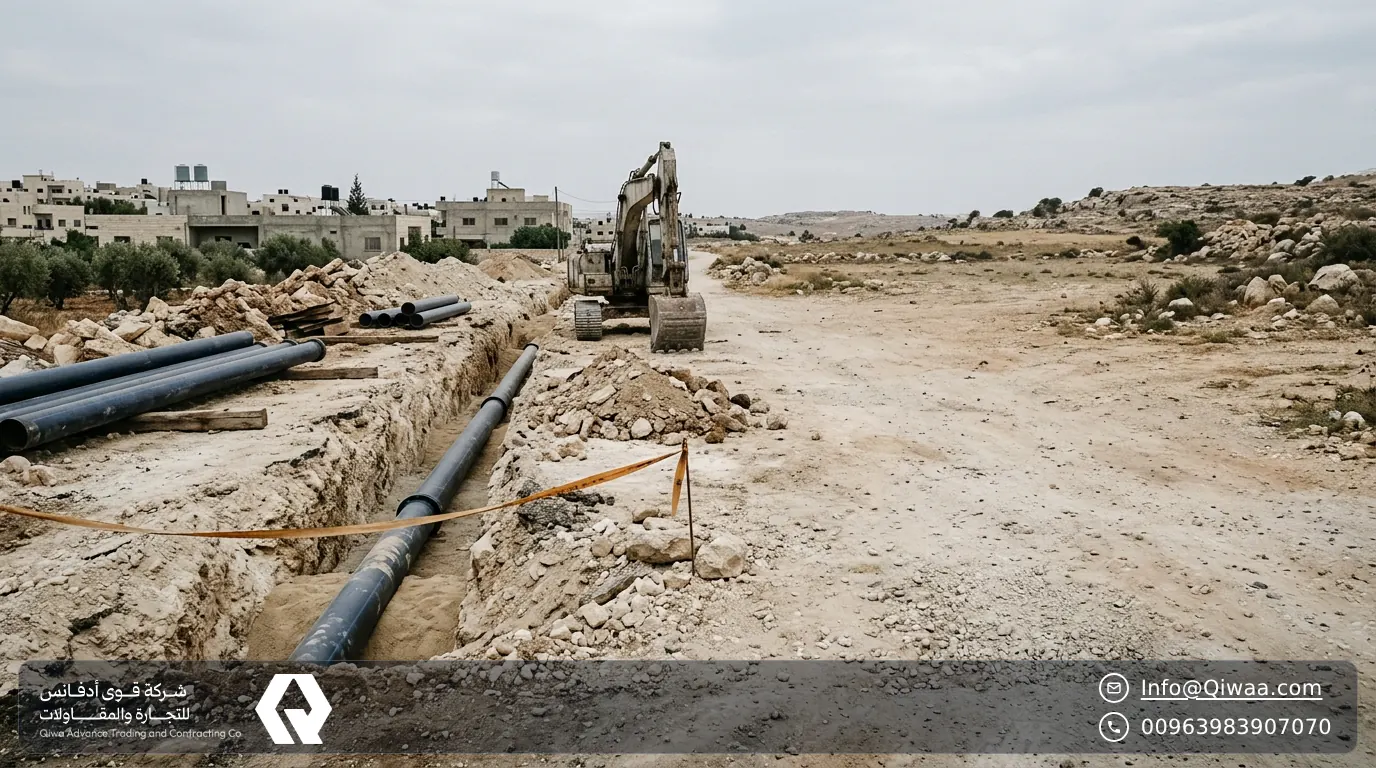
Major port investments are reshaping Latakia and Tartus, but their announced values do not tell local contractors which construction and supply opportunities are actually available.
For businesses tracking Latakia and Tartus Reconstruction, this guide examines confirmed projects, contracting routes, and the key factors suppliers should assess when choosing a port for construction materials.
Port Concessions in Latakia and Tartus
The two ports operate under separate concession agreements with Syria’s General Authority for Land and Sea Ports.
CMA CGM renewed its concession for Latakia’s container terminal on 1 May 2025. The company subsequently confirmed that its initial €30 million investment phase was underway and announced plans to accelerate a further €200 million expansion.
DP World signed its Tartus concession on 13 July 2025 and began operations on 12 November 2025. Its $800 million investment programme covers port infrastructure, cargo-handling equipment, and operational modernization.
Who Operates Latakia and Tartus Ports?
| Port | Operator | Concession term | Confirmed development status | Announced investment |
|---|---|---|---|---|
| Latakia | CMA CGM | 30 years, renewed 1 May 2025 | Initial investment phase underway; second expansion phase announced for acceleration | €30 million initial phase and €200 million additional investment |
| Tartus | DP World | 30 years, signed 13 July 2025 | Operations began 12 November 2025; three mobile harbour cranes delivered by August 2026 | $800 million planned over the concession period |
Sources: CMA CGM’s official expansion announcement and DP World’s Tartus modernization update.
The announced investment amounts describe broader development programmes, not budgets allocated to construction packages available for competitive bidding. Contractors must identify the procurement arrangements for specific works before treating either investment as a commercial opportunity.
How Local Contractors Can Access Port Projects
Large port investments may create demand for civil works, infrastructure networks, equipment, and material supply. However, local contractors cannot assume that these packages will be awarded through government tenders or that they can bid directly with the port operator.
The first step is to establish who controls procurement for the required work: the port operator, an appointed main contractor, or another authorized contracting entity.
Contractors and suppliers should then:
- Confirm the procurement route: Determine whether the relevant works are procured directly by the operator, through subcontractors, or under separate public contracts.
- Check supplier qualification: Request the applicable registration, technical eligibility, project experience, and safety requirements before preparing a proposal. CMA CGM’s supplier qualification programme provides group-level guidance, but does not establish that procurement is open for specific works at Latakia.
- Verify the work package: Obtain the approved scope, specifications, construction schedule, site access requirements, and responsible contracting entity before pricing or proposing materials.
The practical opportunity extends beyond the port terminals. Road rehabilitation, utilities, public facilities, and coastal development projects may offer separate contracting routes through government authorities, developers, or implementing organizations.
For companies pursuing Latakia and Tartus reconstruction work, the priority is to identify a confirmed project scope and its procurement decision-maker, rather than rely on headline investment values as evidence of available contracts.
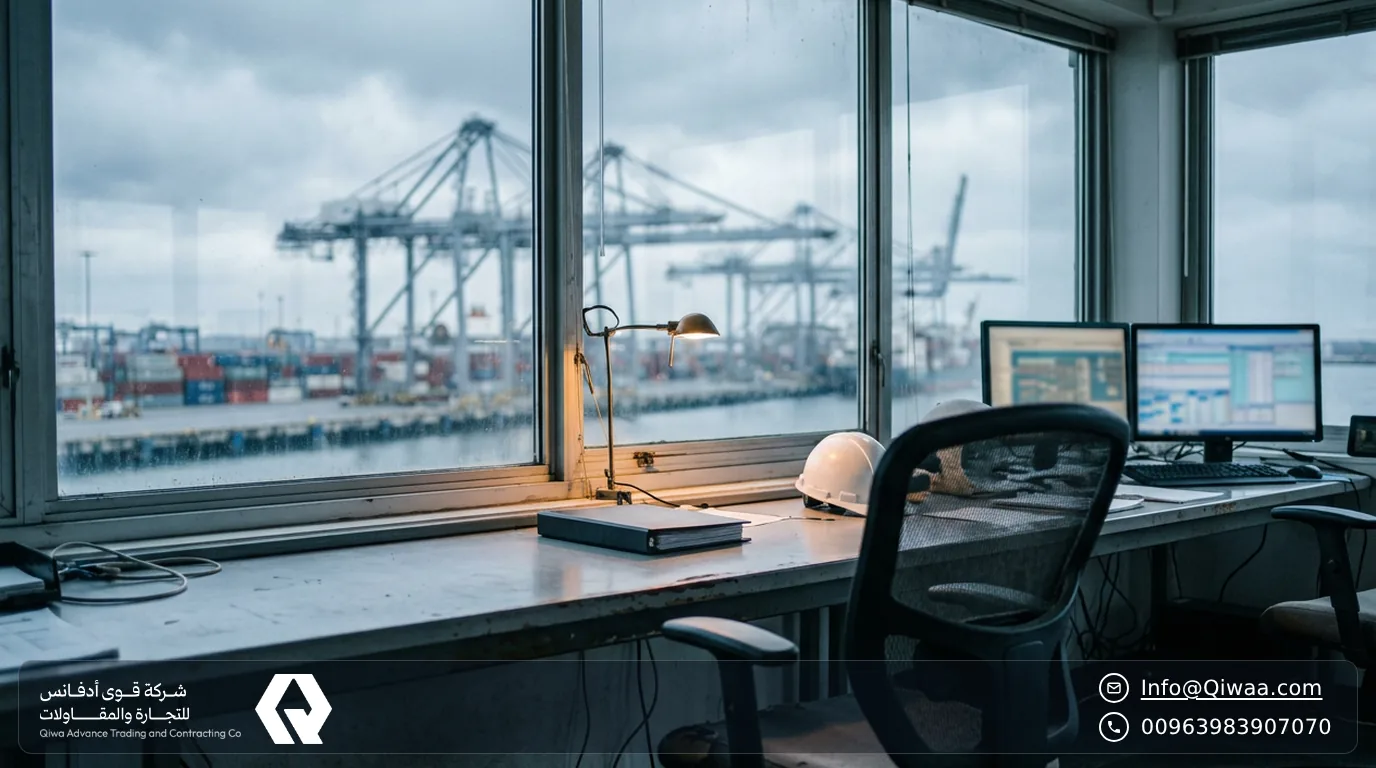
Latakia and Tartus Port Developments
Investment plans and cargo traffic reveal how port modernization is progressing in Latakia and Tartus. For contractors and suppliers, the distinction is between upgrades already underway, planned infrastructure works, and construction packages whose procurement arrangements remain unconfirmed.
CMA CGM’s Latakia Port Expansion
Under its renewed concession, CMA CGM is developing the Latakia International Container Terminal (LICT). The company’s official expansion announcement confirms that the initial €30 million investment phase is underway, with a further €200 million phase planned for accelerated implementation.
The expansion includes container-handling infrastructure, terminal digitalization, equipment modernization, and improvements to accommodate larger vessels. CMA CGM also plans to increase the terminal’s annual capacity to more than one million TEUs.
Progress is already visible. On 22 October 2026, Latakia Port received six modern rubber-tyred gantry cranes as part of its terminal modernization programme.
For contractors, these developments identify areas of investment, but not necessarily available contracts. The reviewed announcements do not establish a public tender schedule for the remaining civil works or terminal infrastructure packages. Companies interested in participating should confirm procurement arrangements and contractor qualification requirements with the responsible operator.
DP World’s Tartus Port Development
DP World is implementing a planned $800 million modernization programme at Tartus Port, covering cargo-handling equipment, quay infrastructure, dredging, and digital operations.
According to the company’s 17 August 2026 announcement, three mobile harbour cranes had been delivered. The announced programme also includes dredging to accommodate larger vessels and quay-wall rehabilitation, with completion of the latter targeted for the end of 2027.
A separate investment concerns shipbuilding. On 15 January 2026, Syria’s General Authority for Ports and Customs signed a 30-year build-operate-transfer (BOT) agreement with Turkey’s Kuzey Star Shipyard to develop and operate a shipyard at Tartus Port.
The company committed to investing at least $190 million during the first five years, covering docks, warehouses, and operational infrastructure.
This shipyard agreement is distinct from DP World’s port concession. Contractors should therefore identify the responsible project company and procurement arrangements separately rather than treat both investment programmes as a single source of contracts.
Cargo Traffic at Latakia and Tartus
Official cargo figures help distinguish the ports’ operating profiles. The General Authority for Borders and Customs’ figures published by SANA provide a comparable reporting period for both ports.
| Indicator | Latakia Port | Tartus Port |
|---|---|---|
| Reporting period | First half of 2026 | First half of 2026 |
| Total cargo handled | Approximately 2.86 million tonnes | Nearly 5 million tonnes |
| Vessels received | 394 | 551 |
| Cargo composition | Approximately 1.5 million tonnes of general cargo and 1.365 million tonnes of containerized cargo | Approximately 3.9 million tonnes of imports and 1.1 million tonnes of exports |
| Container activity | Approximately 171,000 containers handled | 33 container vessels recorded |
Source: SANA, 6 August 2026, reporting official port activity figures.
The figures show substantial container-handling activity at Latakia and higher total cargo tonnage at Tartus during the reported period. However, they do not establish that one port is universally more suitable or economical for a particular construction shipment.
For building material suppliers, cargo compatibility and total delivered cost matter more than traffic volume alone. Shipping availability, cargo-handling capabilities, port charges, customs procedures, and inland transport to the project site must all be verified before selecting a port of entry.
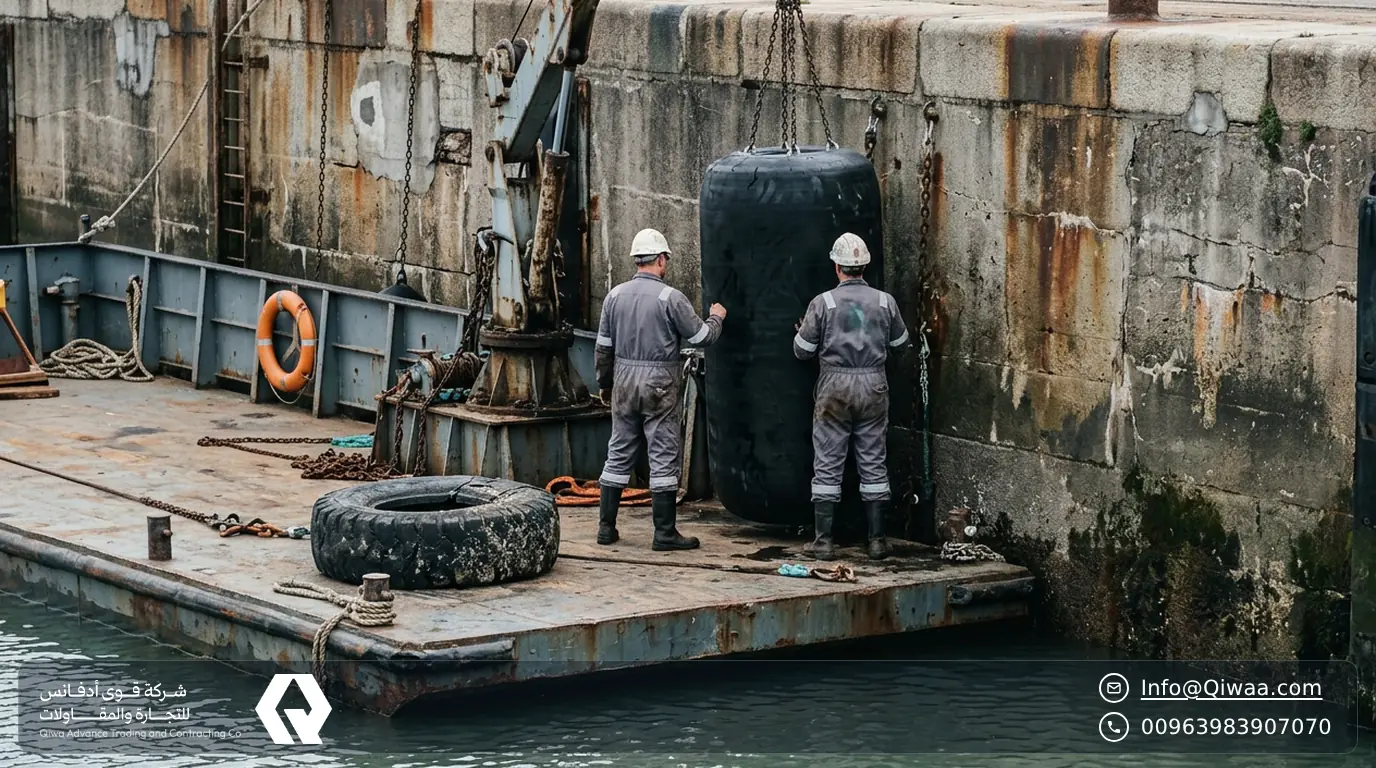
Coastal Projects and Material Imports
For contractors and suppliers pursuing Latakia and Tartus reconstruction, two decisions matter: selecting a suitable port for material deliveries and identifying onshore projects with a clear contracting route.
Choosing Between Latakia and Tartus Ports
Cargo traffic alone cannot determine which port offers the lowest cost or most reliable delivery for construction materials. Importers should compare available shipping services, cargo-handling capabilities, clearance requirements, and transport costs to the project site.
| Cargo type | What to verify at each port | Main decision factor |
|---|---|---|
| Containerized materials such as fittings, finishes, and equipment | Shipping services, container handling, terminal charges, and clearance arrangements | Total cost and delivery time to site |
| Oversized or heavy materials such as large-diameter pipes and machinery | Lifting capacity, suitable handling equipment, storage areas, and heavy-haul transport availability | Handling feasibility and inland transport |
| Bulk or breakbulk materials such as steel and bulk cement | Cargo acceptance, unloading facilities, storage requirements, and trucking arrangements | Handling capacity and total delivered cost |
Before selecting Latakia or Tartus, request comparable quotations from freight forwarders covering ocean freight, terminal handling, storage, customs clearance, inland transport, and site delivery.
Compare quotations using the same delivery basis. The applicable Incoterms rules determine how transport costs, risks, and responsibilities are allocated between buyer and seller. This helps prevent comparing quotations that cover different services.
The preferred port is the one that can handle the shipment in compliance with its technical requirements and deliver it to the project site at an acceptable total cost and lead time.
For customs documentation, material classification, and import requirements, see our guide to importing building materials into Syria.
Onshore Projects in Latakia and Tartus
Beyond port investments, road rehabilitation, public facilities, airport infrastructure, and coastal developments represent different stages of reconstruction activity. Contractors should distinguish projects already under execution from completed works and developments still awaiting confirmed construction procurement.
The following projects illustrate these differences:
- Latakia’s main entrance — Under rehabilitation: In October 2026, Latakia City Council launched rehabilitation works with Elite Global. The scope extends toward Haroun Roundabout and includes road repairs, sidewalks, bus stops, and improvements to public spaces. Because an executing company is already involved, suppliers should verify its procurement requirements rather than assume a new main works tender is available.
- Qasatel Bridge — Rehabilitation ongoing: The General Establishment for Road Communications has been rehabilitating Bridge B46 on the Latakia–Ariha motorway. Although the project was reported near completion in September 2026, English-language reporting citing SANA on 18 November described continued delays. Contractors transporting materials along this corridor should verify current traffic restrictions and route availability before finalizing delivery schedules.
- Latakia International Airport — Technical rehabilitation underway: The General Authority of Civil Aviation and Air Transport announced the start of rehabilitation work in September 2026, covering airport facilities, infrastructure, and operational systems. Reopening depends on technical and safety readiness. The announcement does not establish a publicly available construction tender or a confirmed reopening date.
- School rehabilitation — Completed works: The Latakia Education Directorate reopened 14 schools in Jabal al-Akrad and Jabal al-Turkman in September 2026, followed by six additional schools in October. In Tartus Governorate, Ibn Khaldun School in Baniyas reopened after UNICEF-supported rehabilitation. These projects demonstrate completed rehabilitation activity, not contracts currently open for bidding.
- Latakia Yachts & Marina — Framework agreement: On 5 October 2026, Eagle Hills announced an agreement covering a waterfront development with residential, hospitality, and marina facilities. The developer identified potential participation for Syrian contractors and suppliers, but the announcement does not establish specific construction packages or an open procurement process.
What this means for contractors and suppliers
These projects require different commercial approaches. For works already under execution, identify the appointed contractor and verify whether material supply or subcontracting opportunities remain. For announced developments, monitor planning approvals, project specifications, contractor appointments, and procurement notices.
Completed rehabilitation projects can help identify active implementing organizations and relevant technical requirements, but they should not be presented as available contracts.
The priority is to establish who controls procurement, what work remains, and whether a defined package is open for bidding or supply before preparing a commercial proposal.
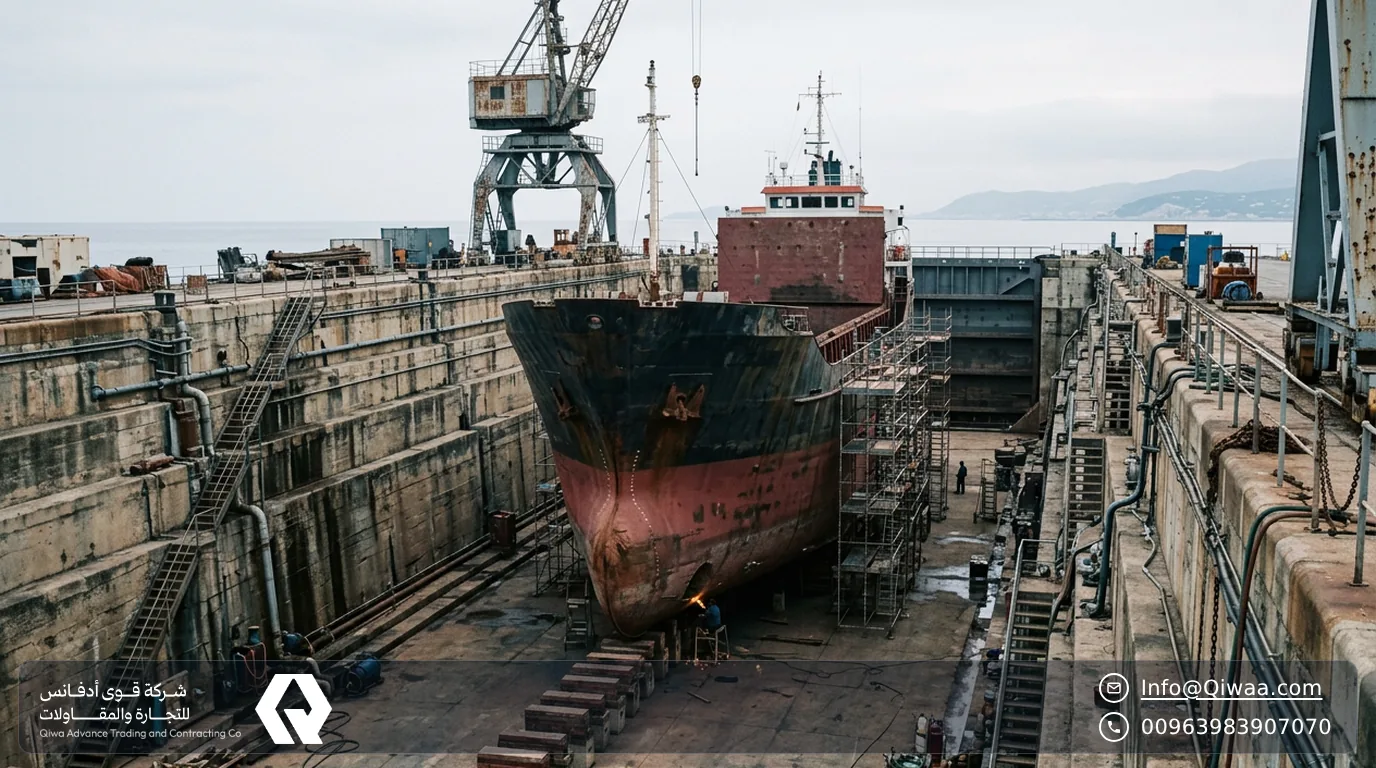
Contract Checks for Latakia and Tartus Projects
Before bidding on Latakia and Tartus reconstruction projects, contractors and suppliers should verify the procurement route, contractual risks, and delivery requirements. Port-related work and onshore projects may involve different contracting authorities, technical standards, and logistics obligations.
Use these 18 checks before committing resources or submitting a commercial proposal.
- Contracting authority: Identify who will sign the contract and approve payments. Is it the port operator, an appointed main contractor, a government authority, or a private developer?
- Project funding: Confirm that financing is available for the specific work package. An announced investment value does not establish the budget or payment arrangements for a particular contract.
- Supplier qualification: Verify the required company registration, technical experience, financial capacity, and vendor approvals. CMA CGM’s supplier qualification programme provides group-level requirements, but does not establish eligibility for specific Latakia Port contracts.
- Port access and safety: Establish the permits, security clearances, equipment approvals, and safety procedures required for work inside operational port areas. Confirm whether restrictions affect working hours or equipment movement.
- Payment conditions: Review the contract currency, payment milestones, retention, exchange-rate provisions, and payment certification procedures. Identify potential cash-flow exposure before finalizing prices.
- Material delivery arrangements: Confirm the agreed port of entry, required delivery point, and responsibility for terminal handling, customs clearance, and inland transport.
- Storage and clearance delays: Check storage allowances, demurrage and detention conditions, customs documentation, and who bears additional costs if cargo release is delayed.
- Heavy transport requirements: Verify delivery routes, vehicle load limits, abnormal-load permits, unloading equipment, and site access for oversized materials or machinery.
- Coastal corrosion exposure: Review the environmental exposure conditions and specified corrosion protection for steelwork, reinforcement, coatings, and equipment. The Association for Materials Protection and Performance provides technical guidance on corrosion risks affecting marine infrastructure.
- Technical compliance: Compare proposed materials with the approved drawings, BOQ, applicable standards, inspection requirements, and acceptance criteria. Confirm whether alternative materials require formal approval.
- Import documentation: Verify certificates of origin, conformity documentation, testing certificates, and any product-specific import approvals required by the contract and relevant authorities.
- Site readiness: Confirm legal access, approved boundaries, land handover, utility clearances, and unresolved ownership or compensation issues before accepting construction obligations.
- Execution schedule: Review commencement conditions, critical milestones, material lead times, and dependencies on other contractors. Check whether delayed site handover entitles the contractor to an extension of time or additional costs.
- Project interfaces: Determine whether the package is connected to earlier or future phases. Clarify responsibility for existing works, design interfaces, temporary facilities, and coordination with other contractors.
- Transport risk allocation: Establish when responsibility for cargo loss, damage, and delivery transfers between the parties. Apply the agreed Incoterms 2020 rule where applicable, together with the contract’s provisions for customs delays and additional charges.
- Financial guarantees: Check whether bid security, performance bonds, advance-payment guarantees, or other securities are required. Verify their amounts, validity periods, acceptable issuers, and release conditions.
- Licensing and eligibility: Confirm whether the work requires local contractor registration, sector-specific licenses, port operator approval, or participation through an eligible local entity.
- Project status verification: Check the date and original source of the announcement. Before proceeding, obtain confirmation that the relevant work package is approved, that the contracting entity is identified, and that procurement is actually underway.
These checks should lead to a bid-or-no-bid decision. If site access, payment conditions, technical responsibilities, or procurement arrangements remain unclear, request written clarification before committing to a price or delivery schedule.
For internationally funded projects, the UNGM procurement guidance provides additional guidance on qualification requirements and compliant bid submissions. The applicable tender documents and contract terms remain the controlling reference.
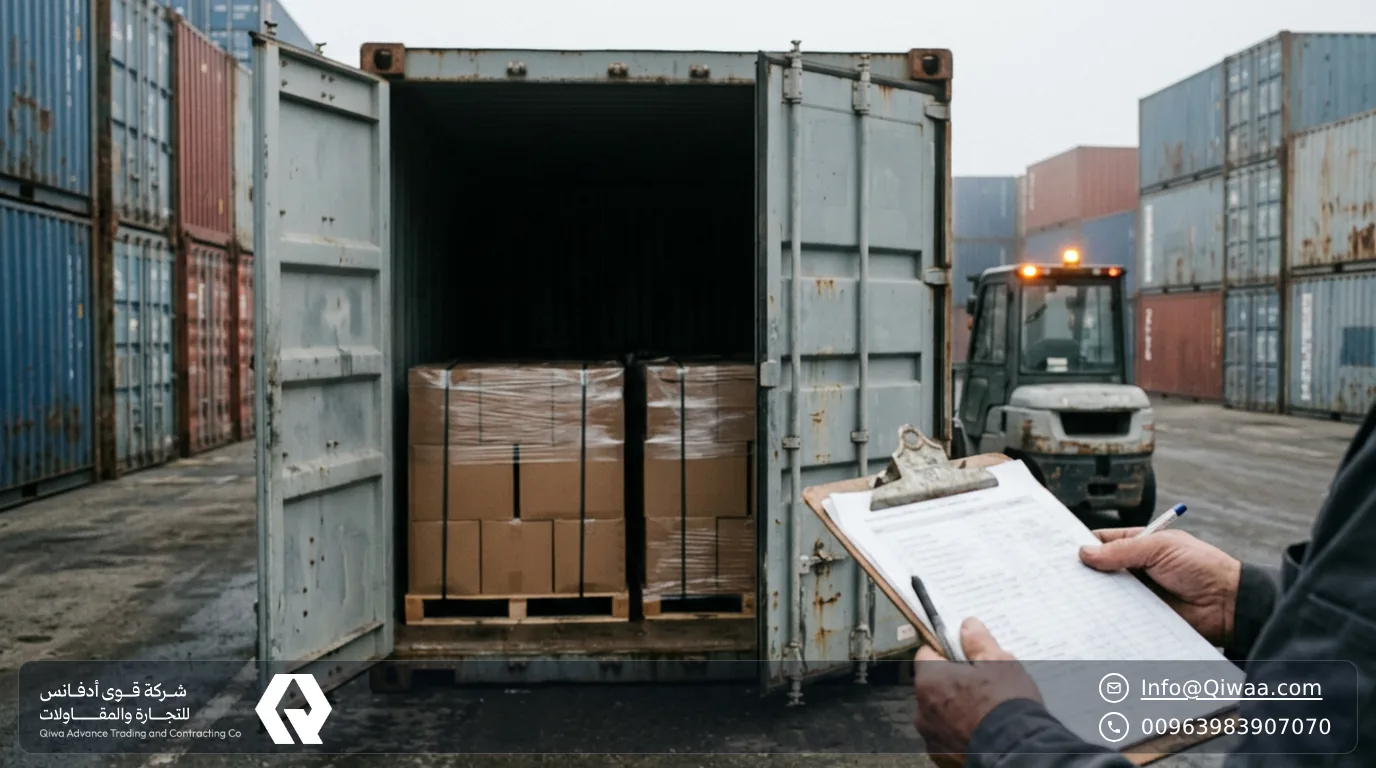
Qiwaa Advance Solutions for Coastal Projects
At Qiwaa Advance, we support contractors and developers working on water infrastructure, utilities, and building projects in Latakia and Tartus. Our services focus on onshore construction and supply; we do not claim involvement in the port concessions or other projects discussed in this article.
Through our specialized divisions and authorized partnerships, we provide:
- Water and wastewater networks: As an authorized agent of Amiantit, we help contractors source GRP pipes and related systems based on approved diameters, pressure and stiffness classes, and project specifications.
- Desalination and wastewater treatment: Through Qiwaa Contracting, we offer Engineering, Procurement, and Construction (EPC) services covering design coordination, equipment procurement, construction, testing, and commissioning.
- Construction and finishing materials: Through Qiwaa Trading, we source building and finishing materials against approved BOQs, technical specifications, quantities, and delivery requirements.
For coastal resorts, residential developments, and utility projects, an important decision is whether to procure the complete water system under an EPC contract or separate material supply from installation.
EPC vs Separate Water System Supply
The appropriate procurement model depends on project complexity, the owner’s technical resources, and how responsibilities are allocated.
| Criterion | EPC contract | Separate supply and installation |
|---|---|---|
| Design and delivery responsibility | A single contractor manages engineering, procurement, and construction within the agreed scope | Responsibilities are divided among the designer, suppliers, and installation contractors |
| Technical coordination | Design and material selection are coordinated under one contract | The owner or appointed consultant manages coordination between parties |
| Testing and commissioning | System-level testing and commissioning can be included within the integrated delivery scope | Testing, interfaces, and final commissioning responsibilities must be allocated across contracts |
| Supplier selection | Procurement is managed by the EPC contractor within contractual requirements | The owner has greater direct control over supplier selection |
| Owner’s management requirements | Fewer contractual interfaces, although technical oversight remains necessary | Greater involvement in coordinating delivery, installation, and contract interfaces |
The FIDIC EPC/Turnkey framework describes integrated delivery in which one contractor assumes responsibility for engineering, procurement, and construction.
EPC may be more suitable when a project requires coordinated design, equipment supply, installation, and commissioning under a single contract. Separate procurement may be preferable when the design is complete and the owner has the resources to manage multiple suppliers and contractors.
Neither model guarantees lower costs or faster completion. The decision should follow the project’s technical requirements, risk allocation, and commercial terms.
For further details, see our guide to water desalination projects in Syria.
How Qiwaa Advance Supports Coastal Contractors
We begin by reviewing the project’s scope and approved technical requirements before recommending a supply arrangement or discussing an EPC proposal.
- For water network supply, contractors can share the BOQ, drawings, pipe diameters, pressure and stiffness classes, applicable standards, and delivery schedule. Our team can review the requirements and coordinate suitable Amiantit supply options.
- For desalination or wastewater treatment projects, we also need the required treatment capacity, source-water characteristics, output quality, and site conditions to assess the potential EPC scope.
- For construction and finishing materials, Qiwaa Trading can review the specified products, quantities, compliance requirements, and delivery location to discuss sourcing options.
Planning a project in Latakia or Tartus? Send your BOQ or project specifications, location, and required delivery date to Qiwaa Advance on WhatsApp. We’ll review your requirements and discuss suitable contracting or supply options.
Read more: Syria Infrastructure Sector 2026: Market Size, Competitive Gap, & Investment Opportunities
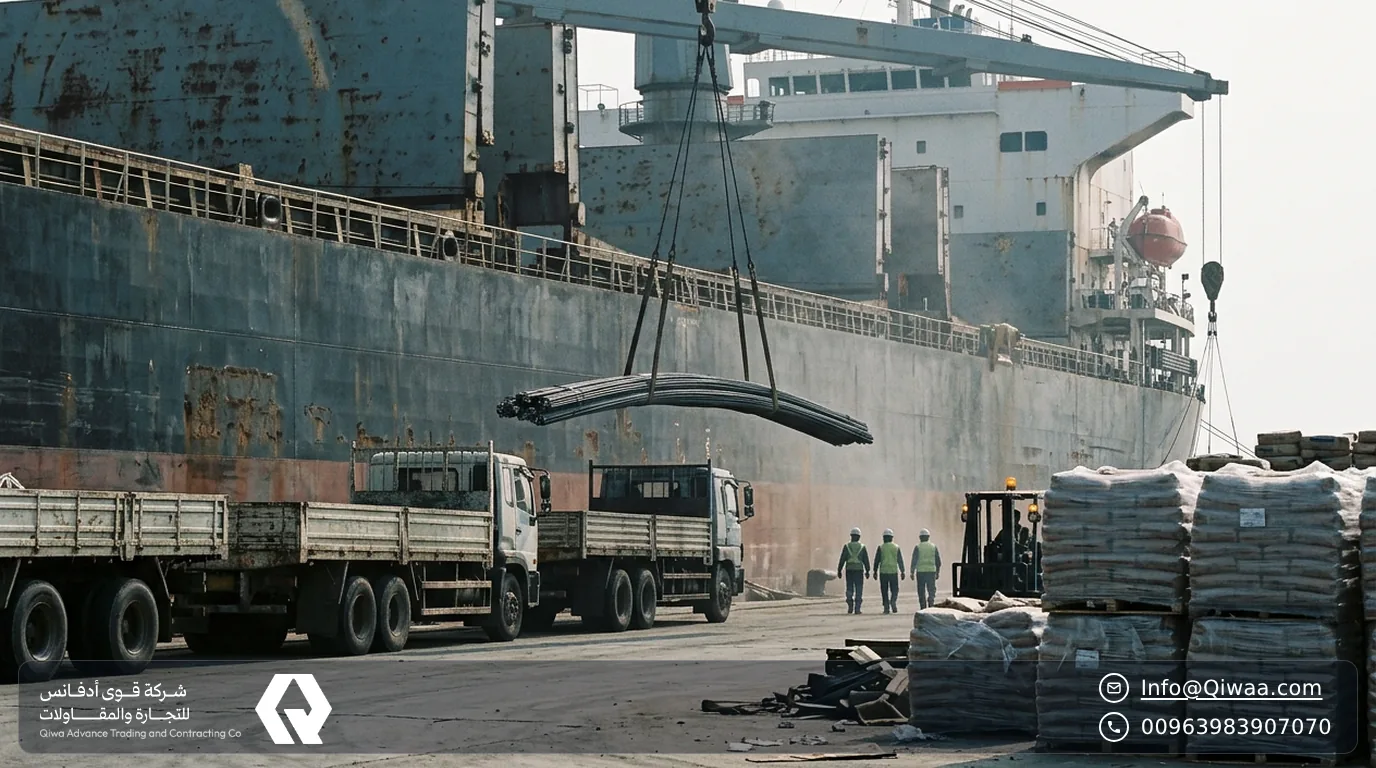
FAQs about Latakia and Tartus Reconstruction
Can local contractors bid directly for port projects?
Yes, if the port operator or authorized contracting entity invites direct bids and the contractor meets the applicable requirements. However, some works may be procured through appointed main contractors.
CMA CGM’s supplier qualification programme outlines group-level compliance expectations, but qualification does not guarantee access to Latakia Port construction contracts. Contractors should confirm project-specific procurement procedures with the responsible operator.
How can suppliers find subcontracting opportunities?
Start by identifying who controls procurement for the relevant project. For works already underway, determine whether the appointed main contractor is still selecting subcontractors or material suppliers.
For planned developments, monitor contractor appointments and approved work packages. Before submitting a quotation, obtain the relevant specifications, quantities, delivery requirements, and supplier approval procedures.
Are Eagle Hills construction tenders open in Latakia?
The official Eagle Hills announcement identifies opportunities for Syrian contractors and suppliers through the Latakia Yachts & Marina development. However, the framework announcement does not provide construction tender packages, qualification criteria, or bidding deadlines.
Applications for investment participation should not be confused with construction procurement. Contractors should verify the project’s current tender status and supplier selection process directly with the developer.
How can contractors identify projects ready for bidding?
A project announcement becomes an actionable bidding opportunity when an authorized contracting entity provides a defined work scope, procurement instructions, and applicable submission requirements.
Contractors should request the tender reference, approved specifications, qualification criteria, and bidding deadline. Where these are unavailable, the project may be worth monitoring, but its announced investment value should not be treated as an available contract.
What should suppliers confirm before quoting imported materials?
Before issuing a fixed-price quotation, suppliers should confirm the approved material specifications, delivery location, shipping arrangements, customs responsibilities, and applicable storage or delay charges.
The agreed Incoterms 2020 rule helps define transport costs, delivery obligations, and risk transfer. Suppliers should also clarify who bears additional expenses if customs clearance or site access delays delivery.
Sources
- Latakia port handles over 3.7 million tonnes of cargo to end of September 2026, SANA, 5 October 2026
- Tartus port traffic for Q1 2026, SANA, 9 May 2026
- French embassy on the management of the Latakia container terminal, SANA, 22 September 2026
- Syria signs contract with CMA CGM to operate Latakia port for 30 years, Orient Le Jour, 1 May 2025
- DP World officially begins operations at Tartus port, Emarat Al Youm, 12 November 2025
- Syria and DP World sign 800mn MoU to develop Tartus Port, bne IntelliNews, 16 May 2025
- Investment contract with Turkish company to build shipbuilding dockyard in Tartus, Enab Baladi, 16 January 2026
- Rehabilitation of Latakia’s main entrance begins under a new development project, SANA, 2 October 2026
- Qasatel bridge rehabilitation on the Latakia to Ariha motorway nearly complete, SANA, 13 September 2026
- Syria takes over Latakia airport within arrangements to reorganize the Russian presence, Asharq, 9 August 2026
- Reabren 14 escuelas en Latakia para favorecer retorno de familias desplazadas, SANA, 10 September 2026
- Abu Dhabi Eagle Hills to develop residential and tourism projects in Syria, The National, 5 October 2026