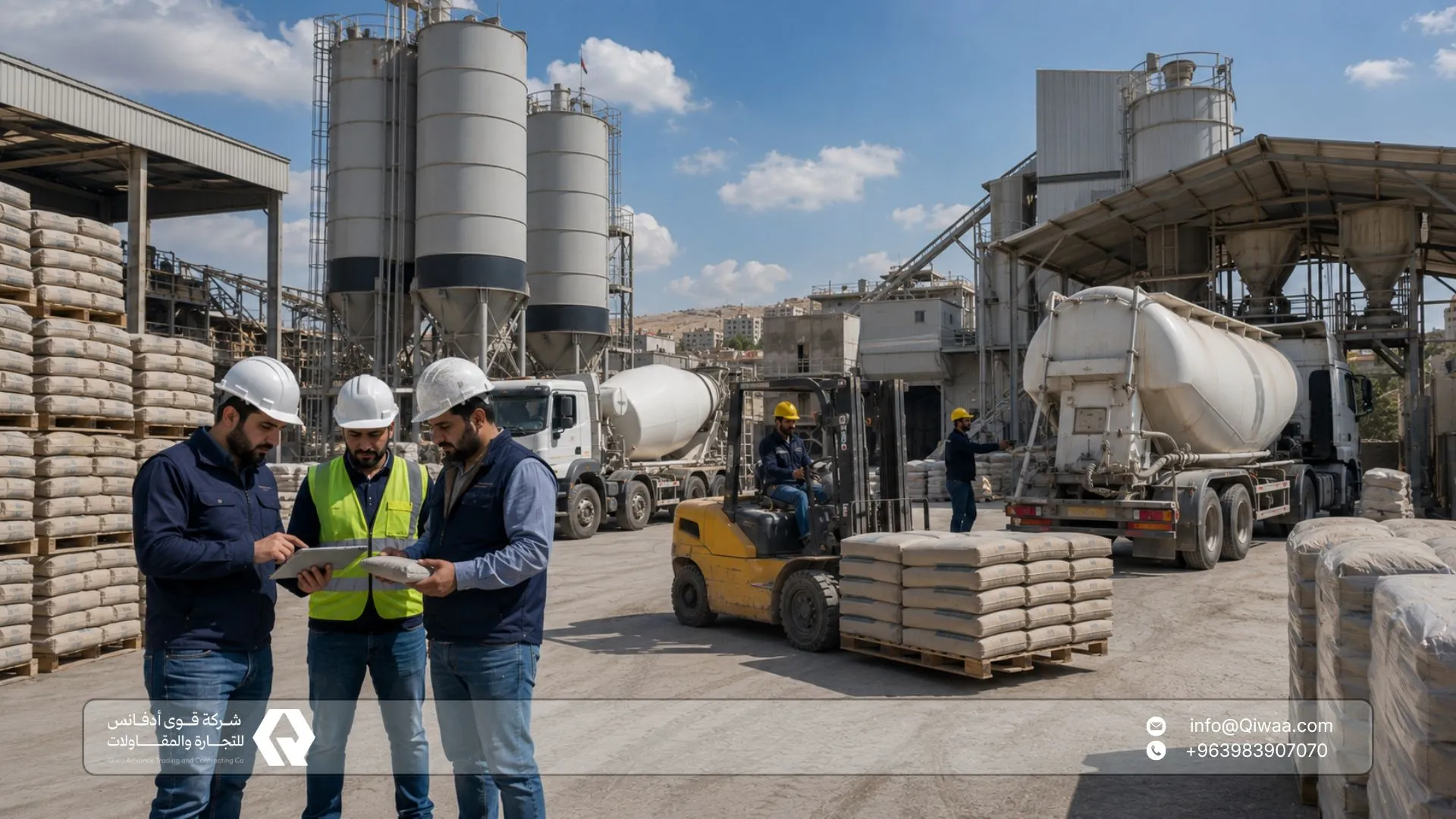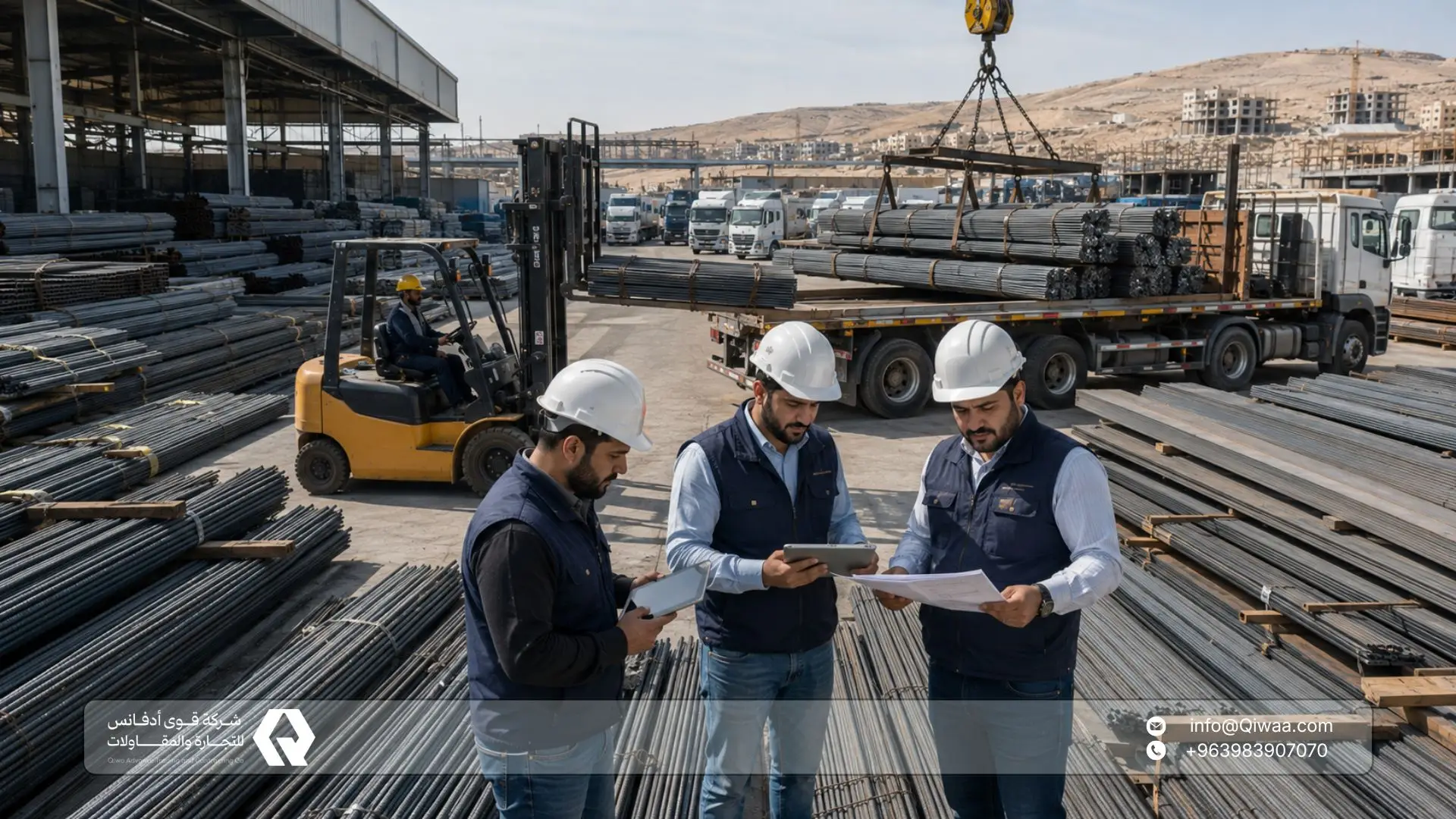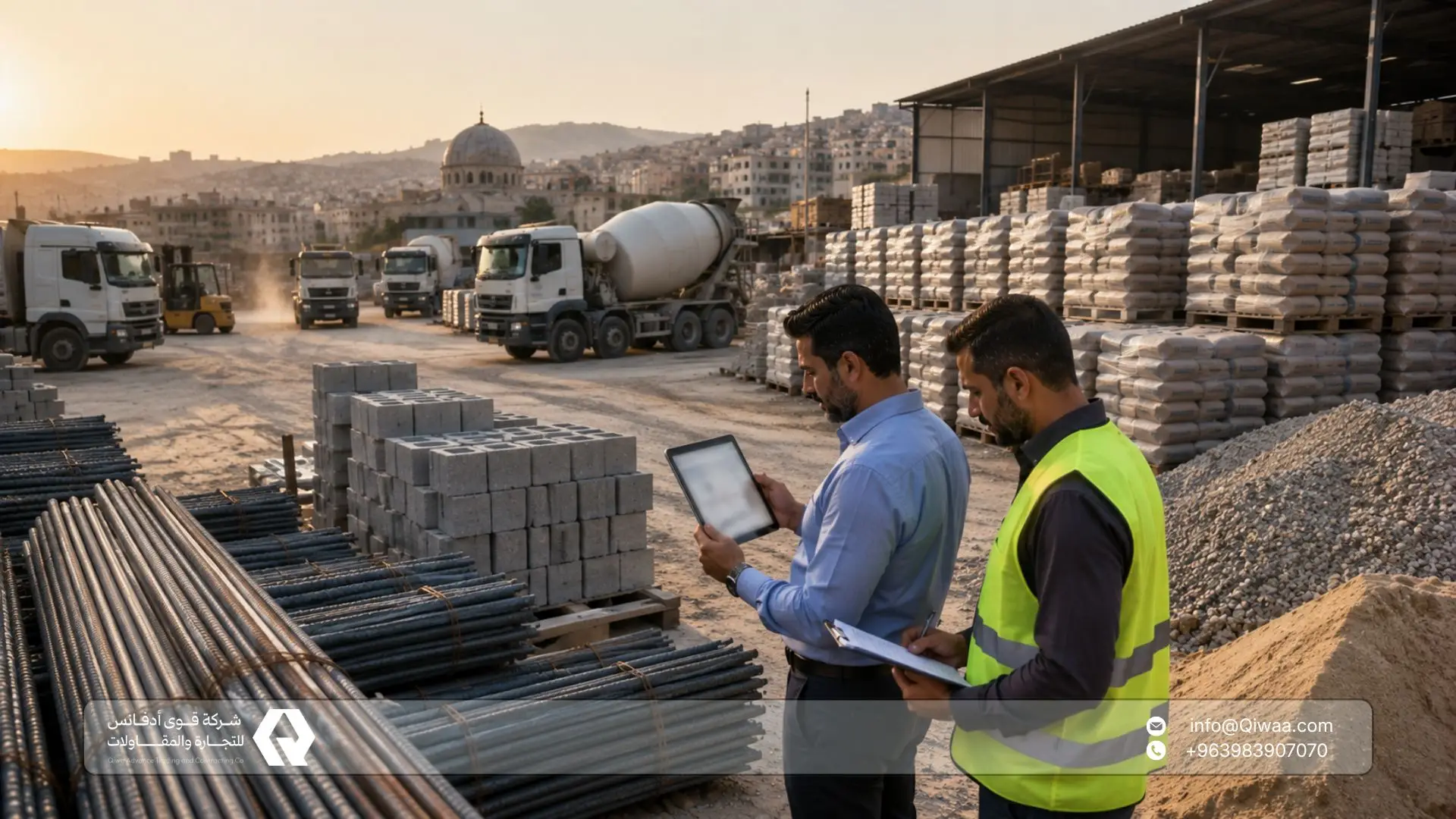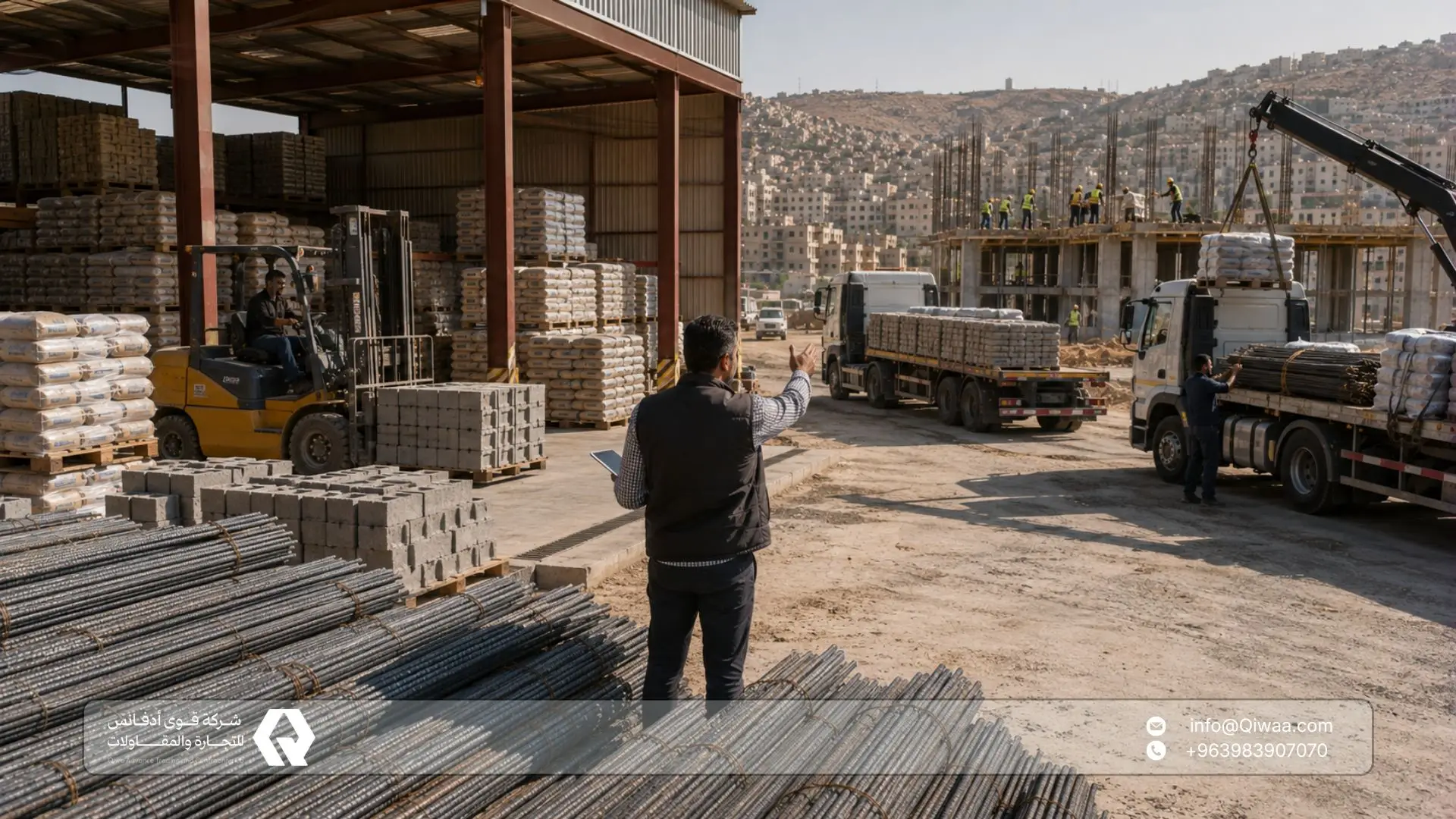


Choosing building materials in Syria involves more than finding a competitive price. The materials must meet your project’s specifications, be available in the required quantities, and arrive when construction needs them. For project owners and contractors working in Damascus, Aleppo, and other Syrian governorates, finding a supplier who can meet these requirements is often just as important as choosing the materials themselves.
This guide covers the main construction materials used in Syria, the differences between local and imported products, and how sourcing conditions vary between cities. You’ll also learn how to evaluate building materials suppliers in Syria, compare their offers, and arrange deliveries that match your project’s requirements and construction schedule.
Building materials for construction projects in Syria
Building materials in Syria include the products used to construct, protect, equip, and finish buildings and infrastructure. Beyond steel and cement, projects require materials for structural works, utilities, insulation, and finishing, with different technical requirements at each construction stage.
The materials you need depend on the project itself. Residential developments typically require structural materials, insulation, and interior finishes, while water and wastewater projects place greater emphasis on pipes, valves, fittings, and suitable backfill materials. Identifying these requirements early helps project owners and contractors select products that match the approved designs.
Main types of building materials in Syria
The main construction materials in Syria can be grouped according to their functions:
- Structural and masonry materials: Rebar, cement, ready-mix concrete, concrete blocks, and hollow slab blocks (hourdi) used in structural and building works.
- Aggregates and groundwork materials: Sand, gravel, road aggregates, and backfill materials required for concrete production, foundations, roads, and site preparation.
- Cement and concrete production materials: Clinker used in cement manufacturing, supplementary cementitious materials, and concrete admixtures used for specified production or performance requirements.
- Infrastructure and building services: Pipes, valves, fittings, electrical materials, and components for water, wastewater, and other building systems.
- Insulation and finishing materials: Waterproofing and thermal insulation products, interior finishes, ceramics, marble, and granite.
- Construction support materials and systems: Timber, formwork, and related products used during concrete placement and other construction activities.
Each category serves a different purpose, so material selection should follow the project’s technical specifications rather than availability or price alone.
Local vs. imported building materials in Syria
Choosing between local building materials in Syria and imported alternatives depends on the required specifications, available stock, and delivery schedule. Locally manufactured products may suit projects needing regular supplies of standard materials, while imported products can provide access to specialized systems or specifications that are difficult to source domestically.
However, material origin and supplier location are not the same thing. A Syrian supplier may stock imported products, allowing faster delivery than ordering directly from an overseas manufacturer.
The main differences to consider are:
| Criterion | Locally manufactured materials | Imported materials |
|---|---|---|
| Availability | Depends on domestic production and existing stock | Depends on local importer stock or overseas availability |
| Delivery time | May be shorter when materials are available nearby | May require shipping and clearance, unless already stocked locally |
| Total cost | Influenced by factory price and domestic transport | May include international freight, customs charges, and inland delivery |
| Technical specifications | Must meet the project’s approved standards | May offer additional specialized products, subject to conformity checks |
| Documentation | Requires relevant product specifications and quality records | May also require import, origin, and customs documentation |
| Supply continuity | Depends on production capacity and distributor reliability | Depends on manufacturer capacity, shipping, and import arrangements |
For commonly used materials, local sourcing may simplify recurring deliveries. For specialized industrial or infrastructure projects, imported products may be necessary to meet specific technical requirements.
If importing is part of your procurement plan, our guide to importing building materials to Syria in 2026 explains the documentation, customs procedures, and delivery requirements involved.
The final sourcing decision should reflect the material’s technical suitability, confirmed availability, and ability to reach the project according to its construction schedule.
Building material supply across Syrian governorates
Sourcing building materials in Syria requires understanding where the products are available and how they can reach the construction site. A supplier operating in one governorate may offer suitable materials but face different delivery requirements when serving a project elsewhere.
For project owners and contractors, the key is to assess local availability, site access, and the supplier’s ability to fulfill orders according to the construction schedule. These considerations become particularly important when projects require multiple deliveries or specialized materials.
Building materials in Damascus and rural Damascus
When sourcing building materials in Damascus and Rural Damascus, project location and site conditions can influence how supplies are organized. A restoration project in an established urban area may need a different delivery arrangement from a residential development or industrial facility outside the city.
The main considerations include:
- Site access and unloading: Check whether delivery vehicles can reach the site, where materials can be unloaded, and how much temporary storage space is available.
- Warehouse and project location: Confirm the supplier’s actual dispatch point and whether deliveries to Damascus and Rural Damascus follow the same commercial terms.
- Material availability: For projects combining structural repairs, insulation, and finishing works, verify that the required products and specifications are available when each activity begins.
- Phased deliveries: Where storage is limited or construction proceeds in stages, establish delivery quantities and dates before confirming the order.
For refurbishment and restoration projects, coordinating material deliveries with approved work stages can help avoid unnecessary storage and handling on constrained sites.
Building materials in Aleppo
Sourcing building materials in Aleppo requires attention to the type of development being served. Residential rehabilitation projects may prioritize structural repair materials and finishing products, while industrial facilities and warehouses can require additional materials for equipment foundations, heavy-duty floors, loading yards, drainage, and utility networks.
The city’s industrial activity, including development at Sheikh Najjar Industrial City, illustrates why industrial projects need a more specialized material schedule than a conventional residential building.
For industrial and commercial projects, procurement teams should distinguish between structural materials, civil works, and mechanical or utility installations. This helps suppliers identify products that meet the engineering requirements rather than offering general-purpose alternatives.
Another important consideration is continuity of supply. A supplier may have enough steel, cement, or industrial materials for an initial delivery without being able to fulfill subsequent construction stages. Confirming available quantities, delivery intervals, and handling arrangements is therefore essential when planning larger projects.
Building materials in Idlib, Daraa, Deir ez-Zor and the Coast
For projects in Idlib, Daraa, and Deir ez-Zor, material sourcing should be assessed according to the actual project location, supplier stock, transport route, and construction requirements. Regional differences cannot be reduced to a fixed price ranking without current, comparable quotations.
The following considerations can help guide procurement planning in these areas and Syria’s coastal governorates:
| City or region | Materials to consider | Key procurement checks |
|---|---|---|
| Idlib | Cement, concrete blocks, steel, and rehabilitation materials | Confirm stock location, available quantities, and delivery arrangements for the required construction stages |
| Daraa | Structural materials, aggregates, and finishing products | Identify the supply source, delivery route, and transport requirements for the specific project site |
| Deir ez-Zor | Steel, pipes, road materials, and infrastructure products | Confirm lead times, transport capacity, and alternative sourcing options for critical materials |
| Syrian coast | Insulation, finishes, cement, and imported products | Review technical suitability for site exposure conditions, storage protection, and the location of available stock |
These checks help procurement teams identify which supply arrangements need closer attention in each project. They are not a substitute for verifying actual availability or obtaining location-specific quotations.
Read also: Construction Companies in Syria 2026: How to Choose a Reliable Contractor for Your Project
How to order and deliver building materials in Syria
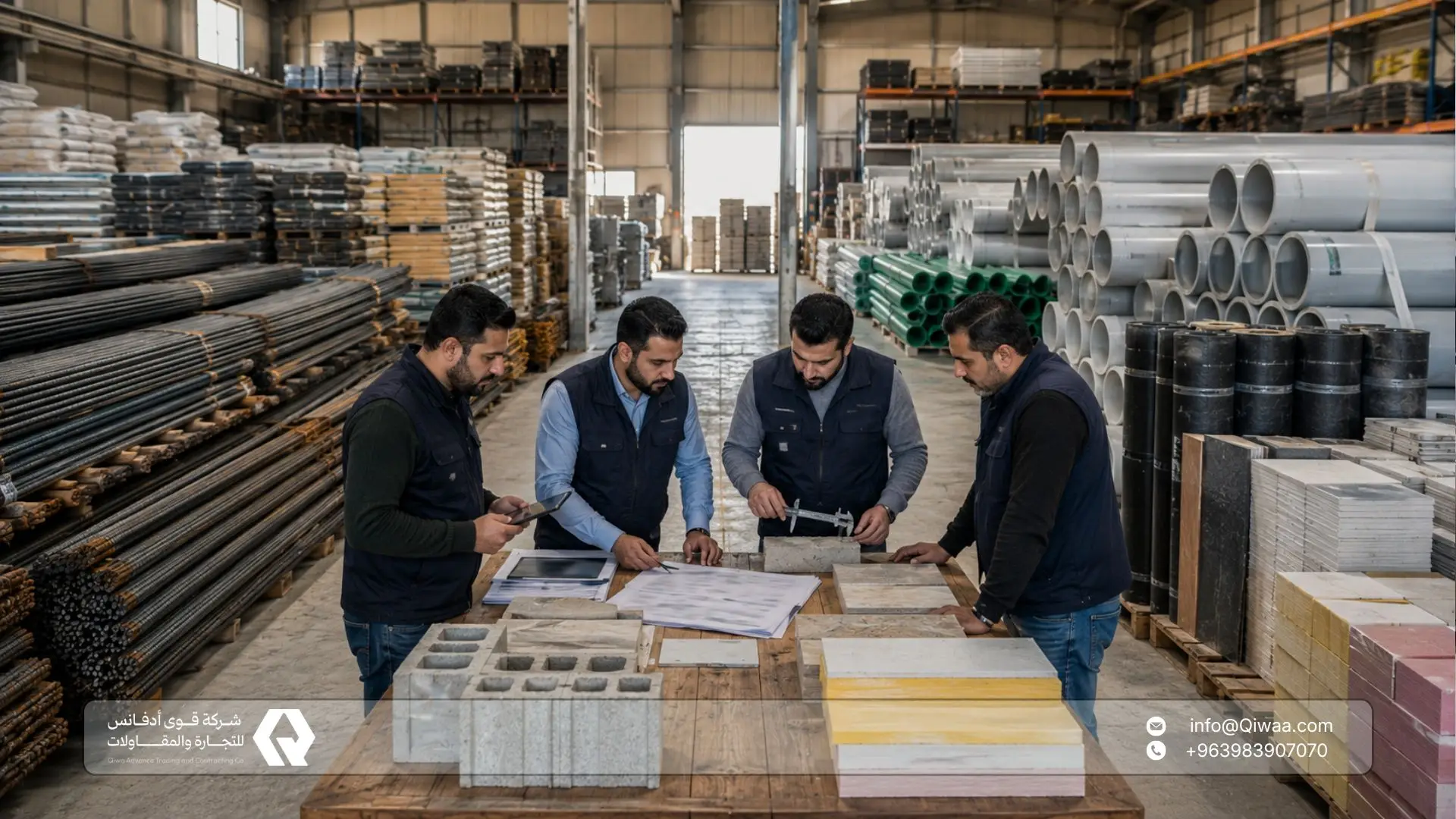
Ordering building materials in Syria requires more than confirming that a supplier has the products in stock. The order must define what the project needs, when each material is required, and how deliveries will reach the construction site. For contractors managing several work stages or projects in different governorates, a clear supply plan helps prevent shortages, unnecessary storage, and interruptions to construction.
The process begins with a complete supply request, followed by confirmation of the supplier’s delivery arrangements.
Preparing a building materials supply request
A well-prepared request for quotation (RFQ) allows building materials suppliers in Syria to assess your requirements and provide an offer that reflects the actual scope of supply.
Include five essential groups of information:
- Materials and technical specifications: Identify the required products, grades, dimensions, applicable standards, and any drawings or bill of quantities. Specify the certificates or technical documents needed for approval.
- Quantities and supply schedule: State the total quantities, units of measurement, required delivery dates, and whether materials should arrive in separate batches.
- Project location and site access: Provide the governorate, precise delivery location, vehicle access conditions, and any restrictions on delivery hours or unloading.
- Transport and handling arrangements: Clarify whether materials will be collected from the warehouse or delivered to the site, along with packaging, unloading, and temporary storage requirements.
- Commercial conditions: Specify the required quotation currency, payment terms, price validity period, and exchange-rate basis when currency conversion is involved.
These details allow the supplier to assess not only the material price but also whether the required quantities can be delivered under the project’s conditions.
Building material distribution across Syrian governorates
The building materials distribution network in Syria connects manufacturers, import entry points, distributors, warehouses, and construction sites. The supply route depends on the material’s origin, available stock, order volume, and final destination.
For heavy, commonly used products such as sand, gravel, and concrete blocks, nearby sources may reduce transport costs. Specialized materials, including industrial pipes, valves, and insulation systems, may need to be sourced through regional distributors or international manufacturers.
Once the material source is identified, the supplier and procurement team should coordinate four delivery requirements:
- Dispatch location: Confirm whether the materials will leave a factory, warehouse, distributor, or import entry point, and whether the required quantities are available.
- Transport arrangements: Establish the appropriate vehicle capacity, delivery route, shipment size, and any access limitations at the destination.
- Delivery coordination: Align dispatch dates with site readiness, unloading capacity, and the construction schedule, particularly when materials arrive in multiple batches.
- Supply continuity: Confirm how shortages, delayed shipments, or changes to the delivery schedule will be handled, including acceptable alternative supply sources where necessary.
For projects requiring imported or specialized materials, Qiwaa Trading supports material sourcing and supply-chain logistics, connecting international supply networks with project delivery requirements.
Before confirming an order, the written quotation or purchase agreement should establish the delivery point, agreed dates, transport responsibilities, and procedures for handling shortages or delays. This gives the procurement team, supplier, and site management a shared basis for coordinating deliveries.
How to compare building materials warehouses and suppliers
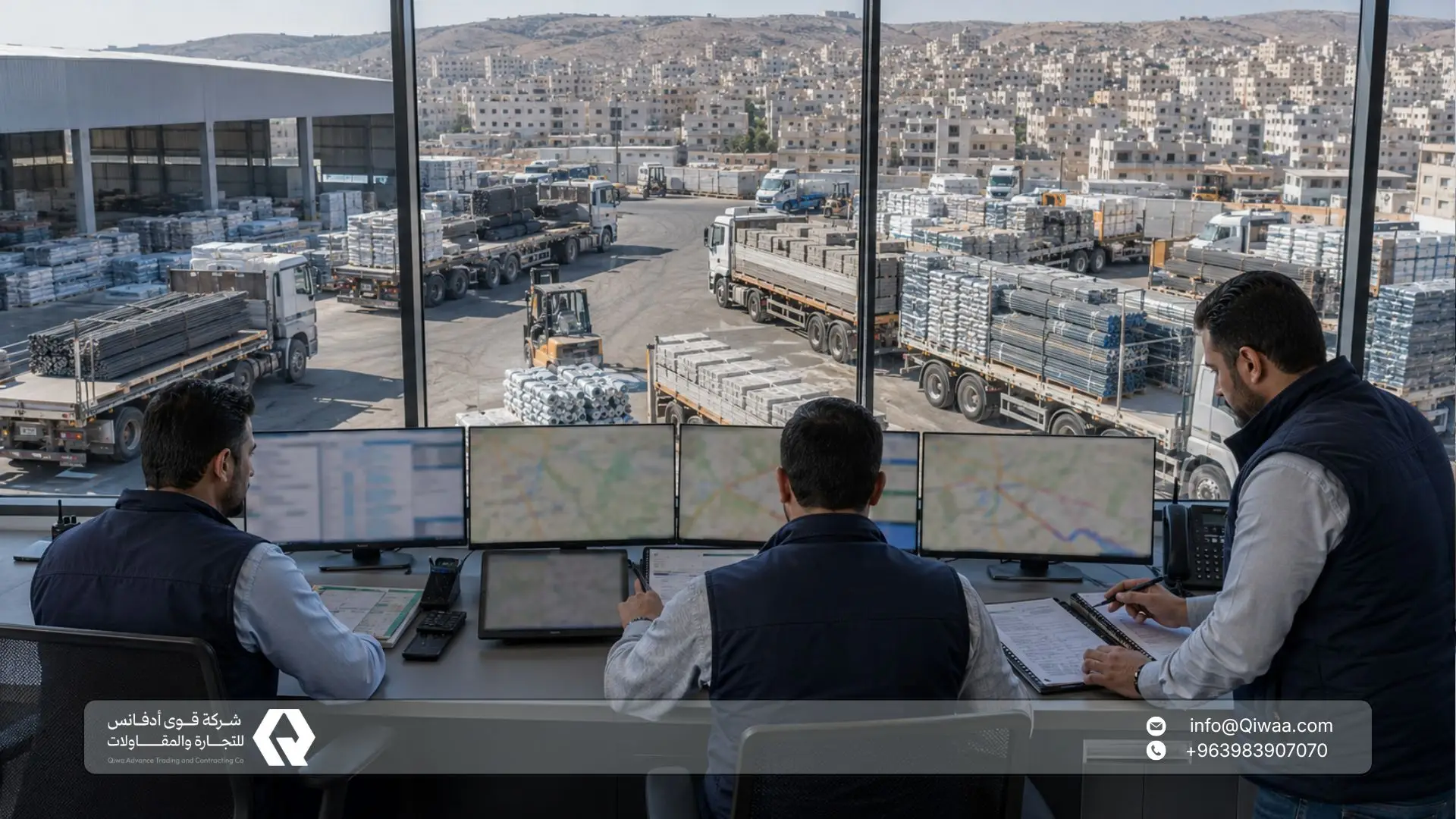
Choosing among building materials suppliers in Syria requires checking more than the products listed in their catalogs. A supplier may offer the materials your project needs but lack sufficient stock, suitable storage facilities, or the capacity to maintain deliveries throughout construction.
For project owners and procurement teams, the priority is to assess whether the supplier can provide the specified materials in the required quantities and handle supply problems without disrupting site operations.
How to identify a reliable building materials supplier
A reliable supplier should be able to demonstrate its sourcing capabilities, confirm product availability, and explain how orders will be fulfilled. The following criteria help assess building materials warehouses and suppliers in Syria before placing an order:
- Verifiable material sources: The supplier identifies manufacturers or product origins and provides relevant technical documentation to support material approval.
- Confirmed stock availability: The warehouse can verify available quantities, storage locations, and the condition of materials, rather than relying on unconfirmed supply promises.
- Suitable storage and handling: Materials are protected according to their requirements, particularly cement, insulation products, and other items vulnerable to moisture or damage.
- Proven delivery capability: The supplier can demonstrate experience with comparable orders, confirm delivery capacity, and accommodate phased supply where required.
- Clear handling of non-conforming materials: The supplier explains how damaged, incorrect, or rejected products will be replaced and who is responsible for the associated costs.
- Relevant project references: Previous supply experience, particularly with similar project types or order volumes, helps assess whether the supplier can meet the expected requirements.
Be cautious when a supplier cannot verify stock, provide the required product documentation, or explain how delivery problems will be resolved. These warning signs deserve closer attention before procurement commitments are made.
Evaluating these factors helps contractors and project owners shortlist suppliers based on their ability to fulfill the project requirements, leaving commercial quotation comparisons for the next stage.
See also: Reconstruction Companies in Syria 2026: How to Choose a Reliable Reconstruction Firm
Comparing building material quotations in Syria
After shortlisting reliable building materials suppliers in Syria, compare their quotations on a like-for-like basis. An offer may appear less expensive because it excludes transport, covers a different material grade, or requires earlier payment. These differences must be resolved before deciding which quotation offers better value.
Use the following criteria to compare supplier offers:
| Comparison criterion | How to evaluate quotations |
|---|---|
| Technical compliance | Confirm that each offer meets the approved material specifications, standards, and required quantities. Identify any proposed alternatives. |
| Total delivered cost | Compare prices using the same unit and delivery basis, including applicable transport, handling, taxes, and import charges. |
| Currency and payment terms | Check the quotation currency, agreed exchange-rate basis, payment schedule, and price validity period. |
| Availability and delivery | Compare confirmed stock, lead times, delivery dates, and the supplier’s ability to fulfill phased orders. |
| Quality documentation | Confirm that the required certificates, test reports, and technical documents are included. |
| Replacement and liability terms | Review the procedures and responsibilities for rejected, damaged, or non-conforming materials. |
If two quotations use different pricing or delivery conditions, ask the suppliers to clarify or revise their offers before comparing them.
The final purchasing decision should balance technical compliance, total delivered cost, and supply reliability. This helps procurement teams recommend a suitable offer while giving project owners a clearer basis for approving material purchases.
Comparing building material prices across Syrian cities
When comparing building material prices in Syria across different cities, first identify what each quotation actually covers. A price listed in Damascus or Aleppo may apply only to collection from a warehouse, while another supplier may include transport to your construction site.
For an accurate comparison, distinguish between three pricing levels:
- Ex-factory or ex-warehouse price: The material price at its source, excluding delivery unless otherwise specified.
- Delivered-to-city price: The quoted cost of transporting the material to a specified location within the destination city, which may not include final delivery to the project.
- Delivered-to-site price: The cost of bringing the material to the agreed project location, with unloading and other handling charges included only when explicitly stated.
Comparing quotations on the same delivery basis helps procurement teams determine whether a lower advertised price represents a genuine saving.
Comparing supplier quotes from different cities
The governorate comparison table earlier in this guide identifies regional sourcing considerations. To apply those findings to an actual purchase, compare supplier quotations against the same project destination rather than assuming that prices published in different cities are directly comparable.
For example, consider three possible quotations for materials required at a construction site in Aleppo:
| Supplier quotation | Pricing basis | What to verify before comparing |
|---|---|---|
| Supplier based in Damascus | Ex-warehouse | Transport to Aleppo, unloading, and delivery schedule |
| Distributor based in Aleppo | Collection from local warehouse | Transport to the project site and handling costs |
| Supplier offering site delivery | Delivered to the Aleppo project | Included unloading services, applicable charges, and delivery conditions |
These are illustrative quotation arrangements, not actual market prices.
Once the material specifications, quantities, currency, and delivery conditions are aligned, the procurement team can compare the total cost of supplying the same materials to the project.
This distinction helps project owners evaluate building materials suppliers in Syria based on the cost and practicality of fulfilling their specific orders, rather than the city where a price was originally published.
Further reading: Syria Reconstruction Projects 2026: How to Read Opportunities and Costs Before Investing
Common Mistakes When Buying Building Materials in Syria
Even when the right materials and suppliers have been identified, purchasing problems can arise if orders are not coordinated with construction requirements. For contractors and project owners buying building materials in Syria, mistakes in stock confirmation, delivery planning, and material acceptance can disrupt work and create avoidable costs.
The most common mistakes to avoid include:
- Confirming availability without checking the exact product: A supplier may have cement, steel, or insulation in stock, but not the specified type, grade, dimensions, or required quantity. Confirm the products available before issuing a purchase order.
- Assuming the full order can be delivered as scheduled: Initial stock availability does not guarantee that subsequent batches will arrive on time. Verify the supplier’s capacity to fulfill each delivery stage.
- Overlooking site access and unloading arrangements: Materials may reach the destination city but face delays because of vehicle restrictions, limited unloading space, or inadequate handling equipment.
- Ordering materials before the site is ready: Early deliveries can increase storage requirements and expose sensitive products to damage, while late deliveries can interrupt scheduled construction activities.
- Accepting substitutions without technical approval: An available alternative is not necessarily suitable for the project. Any proposed change to specified materials should receive the required engineering approval before purchase.
- Skipping delivery inspections and documentation: Received materials should be checked against purchase orders for quantity, specification, and condition. Shortages, damage, or non-conforming products must be documented promptly.
Avoiding these mistakes requires coordination between procurement teams, suppliers, and site engineers. When purchase orders, delivery schedules, and material acceptance procedures are aligned, projects are better positioned to maintain supply continuity and reduce preventable disruptions.
See also: Building Material Prices in Syria Today 2026: How to Read the Price Bulletin Before You Buy
Qiwaa Advance: Building materials supply in Syria
At Qiwaa Advance, we support contractors, developers, and project owners seeking reliable building materials supply in Syria. Through our Qiwaa Trading division, we connect construction and infrastructure projects with international manufacturers and supply partners, helping clients source materials that match their technical requirements and construction schedules.
Our capabilities cover several areas of construction and industrial supply:
- Structural and construction materials: Steel and metal products, cement, and cementitious materials for building and infrastructure works.
- Infrastructure materials: Pipes, valves, fittings, and related products for water, wastewater, and utility projects.
- Specialized and finishing materials: Concrete admixtures, selected finishing products, and other materials sourced according to project specifications.
For projects requiring multiple material categories or deliveries across different construction stages, we help review sourcing options and coordinate supply requirements with the project schedule. Our supplier relationships and logistics capabilities allow us to assess suitable procurement and delivery arrangements according to the materials, quantities, and destination involved.
Planning a project in Damascus, Aleppo, or another Syrian governorate? Share your material list, technical specifications, quantities, project location, and required delivery dates. We can review your requirements and discuss available sourcing options, quotation terms, and delivery arrangements.
Contact Qiwaa Advance to discuss your building materials requirements and request a project-specific supply quotation.
FAQs about building materials in Syria
What are the main building materials in Syria?
The main building materials in Syria include rebar, cement, concrete blocks, ready-mix concrete, sand, gravel, pipes, insulation, electrical components, and finishing materials. Selection depends on the project type, approved specifications, and construction stage.
Where can I find building materials in Damascus at reasonable prices?
You can source building materials in Damascus through local distributors, specialized material suppliers, construction supply companies, and warehouses serving Damascus and Rural Damascus. Compare available stock, product specifications, and delivered costs before selecting a supplier.
3. How do building materials in Aleppo differ from Damascus?
The main differences in sourcing building materials in Aleppo and Damascus depend on supplier availability, warehouse locations, project requirements, and delivery conditions. Industrial and residential projects in either city may need different material categories, so compare suppliers based on the specific project rather than the city alone.
Which local building materials are available in Syria?
Local building materials in Syria include locally produced cement, concrete blocks, sand, gravel, and certain concrete and finishing products. Availability varies by manufacturer, production capacity, governorate, and current stock. Confirm the product’s manufacturing origin rather than assuming that materials sold by a Syrian supplier are locally produced.
How do I arrange building materials delivery qutside Damascus?
For building materials delivery in Syria, provide the supplier with the project location, required quantities, delivery dates, and site access conditions. Request written confirmation of transport arrangements, unloading responsibilities, and delivery schedules before placing the order.
6. Are local building materials better than imported ones?
Neither option is automatically better. Locally manufactured materials may reduce transport requirements, while imported products can provide access to specialized specifications. Compare technical compliance, confirmed availability, total delivered cost, and supply reliability before choosing.
How can I check the quality of building materials before buying?
Compare each product against the project’s approved technical specifications and request relevant manufacturer certificates, test reports, or technical data sheets. Where required, arrange material inspection or testing before acceptance. Product origin alone does not guarantee quality or suitability.
Can building material prices be fixed for a set period?
Yes, suppliers may agree to fixed prices for defined quantities and periods under written contractual terms. The agreement should specify its validity, delivery schedule, and any conditions for price adjustment. Longer projects may benefit from phased purchasing arrangements when supply costs are uncertain.