

For investors exploring silicon metal in Syria, the key question is not simply whether silica is available, but whether it can be converted into a commercially viable product that meets industrial buyers’ specifications. That understanding helps you identify higher-value industrial opportunities. Potential projects also face operational challenges tied to power demand, supply-chain coordination and the quality data buyers expect. In today’s Qiwaa Advance article, we give you a clearer picture of:
- The investment and export potential of silicon metal in Syria.
- The technical differences between silicon metal and ferrosilicon.
- How Syrian silica ores are assessed and which purity grades are required.
- What it takes to build and operate silicon metal plants efficiently.
- Silicon metal applications in chemicals and its role in solar energy supply chains.
- Silicon metal export standards and the technical data industrial buyers need.
What Is silicon metal?
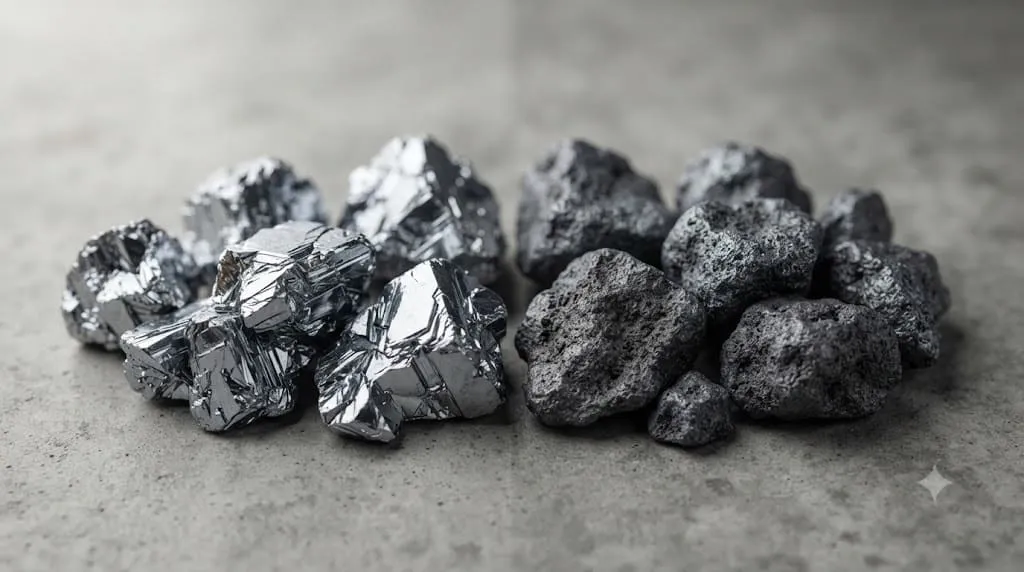
Silicon metal is elemental silicon produced by reducing quartz with carbon-based materials in a submerged electric arc furnace. Unlike silica (SiO₂), which occurs naturally in quartz deposits, silicon metal is a manufactured material used in aluminum alloys, chemical production and further silicon refining.
For investors exploring silicon metal in Syria, distinguishing these materials is essential to identifying the intended product, its industrial applications and the specifications required by potential buyers.
Silicon metal grades
Commercial silicon metal purity grades generally start at around 98.5%, with iron, aluminum and calcium among the main impurities that determine product quality and suitability for industrial applications.
Common metallurgical-grade silicon specifications include:
- Silicon Metal 441: tighter limits of 0.4% iron, 0.4% aluminum and 0.1% calcium.
- Silicon Metal 553: maximum impurity levels of 0.5% iron, 0.5% aluminum and 0.3% calcium.
These grades serve as commercial references, while the buyer’s specification and laboratory analysis determine whether a particular batch meets the requirements of its intended application.
Silicon content also determines classification under the international Harmonized System:
- HS code 2804.61: silicon containing 99.99% or more silicon by weight.
- HS code 2804.69: silicon containing less than 99.99% silicon by weight.
Customs classification should not be confused with industrial suitability. Silicon containing 99.99% of the element is not automatically suitable for solar cells or semiconductors, which require additional refining and stricter control of trace impurities.
Silicon metal vs. ferrosilicon
Although silicon metal and ferrosilicon both contain silicon, their chemical composition and industrial functions differ. Silica is the primary raw material used to produce silicon metal, while ferrosilicon is a separate alloy manufactured mainly for metallurgical applications.
| Material | Composition | Main Industrial Uses |
|---|---|---|
| Silica (Quartz) | Silicon dioxide (SiO₂) | Glass, ceramics and raw material for silicon production |
| Silicon Metal | Elemental silicon, generally 98.5% purity or higher | Aluminum alloys, chemical manufacturing and polysilicon feedstock |
| Ferrosilicon | Iron-silicon alloy | Steelmaking and cast-iron production |
For industrial buyers, selecting the correct material means matching its composition and impurity limits to the production process. For investors, the distinction affects the manufacturing technology, target customers and commercial specifications of the proposed product.
Silica in Syria
Syria has significant silica resources, with extraction and preparation activities at Al-Qaryatayn supplying glass and cement manufacturers. Geological assessments also cover Al-Hadath and Qalamoun, alongside proposed investments in microsilica and high-purity silica. These developments were reported by the Syrian Arab News Agency in July 2026, but the available reports do not establish commercial-scale silicon metal production in Syria.
Developing these resources into a marketable silicon metal product requires more than a high silica content. Investors must verify the quartz ore’s composition, critical impurities and physical properties against the requirements of the intended silicon grade and industrial market.
This initial assessment determines whether a deposit warrants further investigation for silicon metal production in Syria, including its processing requirements and commercial feasibility.
At Qiwaa Advance, we help evaluate available geological data against the intended industrial application and market requirements, identifying the technical and commercial information needed before advancing an investment project.
Industrial uses of Silicon metal
The main industrial applications of silicon metal include aluminum alloys, chemical manufacturing and high-purity silicon production. Each sector requires different material characteristics and quality standards.
For investors exploring silicon metal in Syria, understanding these requirements helps identify suitable target markets and the product specifications needed to serve them.
Aluminum alloys
Silicon metal is used in aluminum alloys to improve casting performance, particularly molten metal fluidity, and achieve the mechanical properties required for specific applications. Aluminum alloy producers and foundries are among its principal industrial consumers.
Buyers assess silicon content alongside impurity limits, particularly iron and calcium, according to the alloy being manufactured. Consistent composition and suitable lump sizes also support accurate dosing and stable production. These requirements determine which silicon metal grades a supplier can offer to aluminum manufacturers.
Chemical manufacturing
Chemical manufacturers use silicon metal to produce organosilicon compounds, including chlorosilanes and other intermediates used in making silicones, silanes, sealants, adhesives, coatings and specialty fluids.
Unlike aluminum alloy production, chemical processing places particular importance on the material’s reactivity and its behavior during chemical conversion. Trace impurities, particle size and consistency between batches can influence process performance.
A silicon metal grade suitable for aluminum production may therefore require different specifications before it can be accepted by a chemical manufacturer. Identifying the intended chemical process is essential when defining the product and qualifying a supplier.
Polysilicon production
Metallurgical-grade silicon also serves as a feedstock for producing high-purity polysilicon used in solar cells and semiconductor manufacturing. However, silicon metal from a smelting furnace cannot be used directly in these applications.
The material undergoes advanced chemical purification before being processed into high-purity polysilicon, crystalline ingots and wafers. Solar-grade polysilicon requires substantially higher purity than commercial silicon metal, while semiconductor-grade material is subject to even stricter impurity and contamination controls.
For industrial investors, supplying metallurgical-grade silicon to a polysilicon producer is a different investment proposition from establishing a polysilicon manufacturing facility. Each requires distinct technologies, capital investment and buyer qualifications.
For a proposed silicon metal production project in Syria, selecting the target industry is therefore an early commercial decision. It determines the required grade, acceptable impurities and production specifications, allowing investors to assess whether the available raw materials and proposed manufacturing process can meet actual market requirements.
Silicon metal production in Syria
Before investing in silicon metal production in Syria, you need to establish whether available quartz resources can support a consistent industrial product at a competitive cost. This requires assessing ore quality, manufacturing technology and operating conditions.
Quartz quality for silicon metal production
Start by verifying extractable reserves and ore consistency across deposits and geological layers. Representative samples should establish silicon dioxide content and impurities such as iron, aluminum, calcium, titanium, phosphorus and boron, alongside lump size, mechanical strength and thermal behavior.
Quartz suitable for glass or cement manufacturing may not meet silicon smelting requirements. Washing and sorting can remove certain impurities but cannot compensate for unsuitable ore composition or properties.
Silicon metal manufacturing process
The silicon metal manufacturing process converts qualified quartz into metallurgical-grade silicon through the following stages:
- Raw material preparation: Select and size quartz according to furnace requirements.
- Charge preparation: Blend quartz with suitable carbon reductants, such as coke or coal, in controlled proportions.
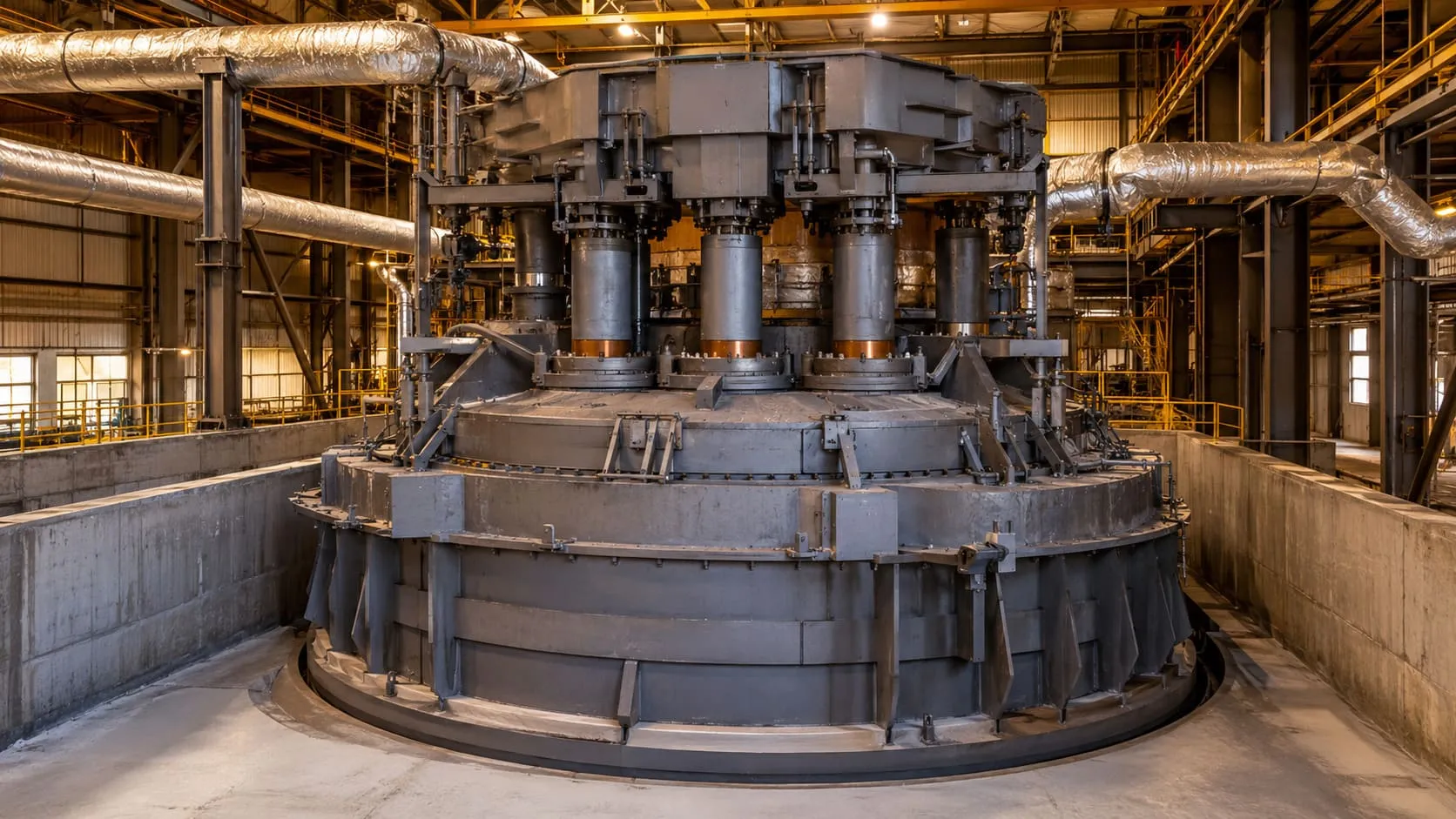
- Smelting: Reduce silica in a submerged electric arc furnace at temperatures exceeding 2,000°C in the high-temperature reaction zones.
- Refining and casting: Adjust molten silicon composition where required, then cast and cool it while preventing contamination.
- Product verification: Crush and size the solidified silicon to meet customer requirements, then test representative samples against the specified grade.
Silicon metal plant feasibility
Silicon metal production typically requires approximately 11–14 MWh of electricity per tonne, depending on furnace technology and operating efficiency. Electricity cost and supply reliability are therefore critical to assessing a plant’s economic viability.
Smelting also generates gases and silica fume that require collection, filtration and emissions control. A feasibility assessment must account for these systems alongside carbon reductants, maintenance, laboratory testing and transportation costs.
For a proposed Syrian project, the decisive factor is whether the total production cost allows the plant to supply the required grade at a competitive price.
At Qiwaa Advance, we help assess available ore data, production requirements and target market conditions to identify technical and commercial gaps before advancing an industrial investment.
Read also: Guide to Investing Iron in Syria 2026: From Mining to Industry
Silicon metal export potential from Syria
Assessing the silicon metal export potential from Syria requires identifying markets that accept the proposed product grade and determining whether your project can supply them consistently at a competitive delivered cost. Import demand provides a starting point, but actual export opportunities depend on buyer requirements and supply capabilities.
Silicon metal import markets
According to World Bank WITS data for 2024, the European Union, United States, Japan, Thailand and Malaysia were major import markets for silicon containing less than 99.99% silicon by weight (HS 2804.69). Türkiye, Bahrain and Qatar also recorded imports, providing regional markets worth evaluating.
These figures indicate existing demand, but they do not establish demand for a potential Syrian product. Market selection requires identifying industrial consumers, accepted silicon grades, purchasing volumes and supplier qualification conditions.
Silicon metal export competition
China, Norway, Brazil and France were among the leading exporters of silicon under HS 2804.69 in 2024. A potential Syrian producer would compete with established suppliers on product consistency, delivered price, production capacity and supply reliability.
Evaluating a target market therefore requires comparing the proposed Syrian product’s specifications and delivered costs against competing offers, rather than relying on import volumes alone.
Silicon metal export requirements
Before pursuing silicon metal exports from Syria, investors and producers need to establish the following:
- Product specifications: Define the proposed silicon grade and its intended industrial application.
- Legal origin: Document extraction or supply rights, the producing entity and applicable export and import requirements.
- Production capacity: Demonstrate the ability to supply consistent quantities under an agreed delivery schedule.
- Buyer requirements: Confirm accepted grades, expected order volumes, supplier qualification procedures and commercial terms.
- Delivered cost: Calculate production, inland transport, packaging, freight, insurance and financing costs to assess price competitiveness.
For a proposed Syrian project, these conditions determine whether an identified market represents a commercially viable opportunity. Once the target buyer and product grade are established, the next step is demonstrating compliance through technical documentation and batch-level quality verification.
Silicon metal export specifications
Meeting silicon metal export specifications requires documented product quality, representative batch testing and packaging suited to the material’s physical form. For potential silicon metal exports from Syria, these measures allow industrial buyers to verify compliance with agreed specifications before accepting shipments.
Silicon metal quality file
A technical quality file provides buyers with the information needed to evaluate the product against their manufacturing requirements. It should include:
- Product grade: Silicon content and maximum impurity limits, particularly iron, aluminum and calcium.
- Physical specifications: Product form, particle size distribution and acceptable fines content.
- Testing information: Sampling and analysis methods, laboratory details and the applicable Certificate of Analysis (COA).
- Batch identification: Production date, batch number and the quantity represented by the test results.
Additional conformity documents should be provided where required by the buyer or destination market.
Silicon Metal batch testing
Silicon metal quality control depends on representative sampling because chemical composition and physical characteristics may vary within a batch. The sampling procedure should define how samples are collected, combined and tested, with independent verification where required by contract.
Each commercial batch should have a Certificate of Analysis confirming its measured composition against the agreed specification. Matching batch identifiers across certificates, packaging and shipping records enables buyers to trace the material and resolve quality disputes.
Silicon metal packaging
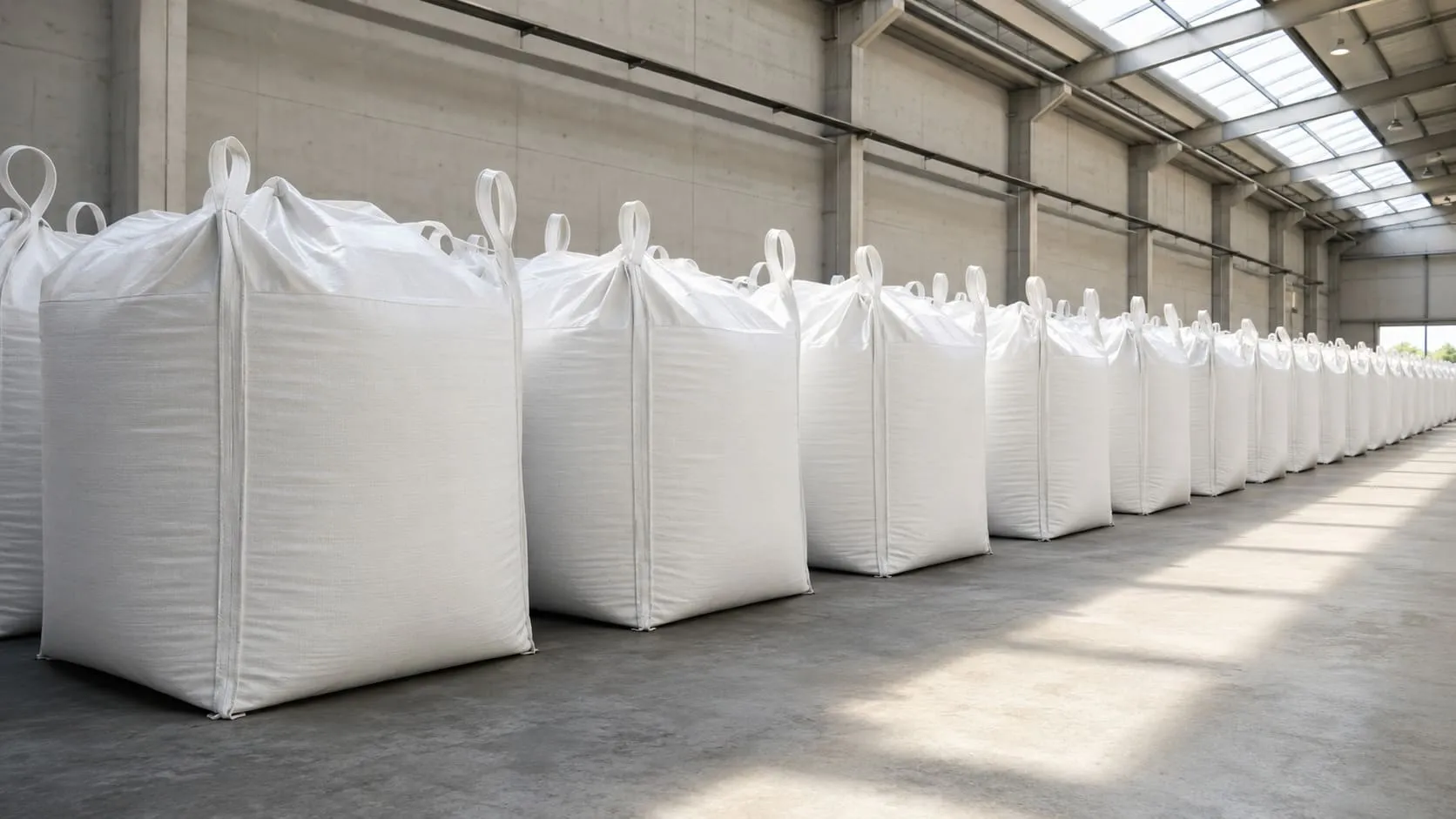
Silicon metal packaging must protect the product against moisture, contamination and mixing between grades during handling, storage and transport. Packaging should be selected according to product size, shipment weight and transport conditions, with clear identification of origin, batch number and net weight.
Fine or powdered silicon requires additional assessment of dust hazards and transport classification. Safety Data Sheets (SDS) and shipping arrangements must reflect the material’s actual physical form and applicable transport requirements.
For a proposed Syrian supplier, consistent quality records and suitable packaging demonstrate the ability to deliver verifiable industrial material that meets the buyer’s contractual requirements.
Qiwaa Advance’s approach to Silicon Metal investment in Syria
At Qiwaa Advance, we support investors exploring silicon metal opportunities in Syria by combining our mining, industrial and trading capabilities. Our approach begins with assessing your project’s current stage, from silica resource development to potential silicon metal manufacturing and market entry.
We draw on our services according to your project’s requirements:
- Qiwaa Mining: Supporting mineral resource development, extraction planning and raw material supply considerations to assess the potential of Syrian quartz deposits for industrial use.
- Qiwaa Industrial: Applying our industrial project experience to preliminary planning for production capacity, operating inputs and infrastructure requirements, in coordination with specialized technical partners where needed.
- Qiwaa Trading: Facilitating access to industrial materials, equipment suppliers and international partnerships, while supporting supply chain and logistics planning for potential production and export operations.
- Silicon Metal Project Requirements
To assess your project, we need the ore location and legal supply status, available geological studies or laboratory results, intended industrial application, estimated production capacity and target market. For more advanced projects, information on electricity availability, proposed furnace technology and buyer specifications helps determine the next steps.
Whether you are considering silica development, silicon metal investment in Syria or an industrial partnership, contact Qiwaa Advance to discuss your requirements and explore the most suitable development path.
Read also: Phosphate Value Chain in Syria: From Raw Material to Manufacturing and Investment in 2026
FAQs about Silicon Metal in Syria
Is Silicon Metal currently produced in Syria?
Available public reports document silica extraction, geological assessments and proposed processing projects in Syria, but do not establish ongoing commercial-scale silicon metal production. Investors should distinguish these activities from an operating silicon metal smelting facility.
Can Syrian Silica be used for Silicon Metal production?
Potentially, but high silicon dioxide content alone does not establish suitability. Syrian quartz deposits require representative testing of impurities, mechanical strength and thermal behavior before their viability for silicon metal smelting can be determined.
What determines the feasibility of Silicon Metal investment in Syria?
Silicon metal investment in Syria depends on qualified quartz reserves, reliable electricity, suitable smelting technology and production costs that can compete in the target market. Investors must also establish whether the proposed silicon grade meets industrial buyer requirements.
Can Silicon Metal be exported from Syria?
Potentially, provided a producer can demonstrate consistent commercial output, meet the buyer’s technical specifications and satisfy applicable export, import and transport requirements. The existence of silica resources or trial samples alone is insufficient to establish export readiness.
Sources
- [1] Syrian Arab News Agency (SANA): Developments in Syria’s silica sector, July 3, 2026
- [2] SCRREEN2 European network: Silicon metal factsheet on purity grades and production
- [3] U.S. Geological Survey: Mineral Commodity Summaries 2026, Silicon
- [4] U.S. Department of Energy: Solar photovoltaic manufacturing basics and the polysilicon chain
- [5] World Bank WITS database: Top importers of silicon below 99.99% purity in 2024
- [6] World Bank WITS database: Top exporters of silicon below 99.99% purity in 2024