

Choosing the lowest tile quotation can still leave your finishing project over budget or short of materials. Tile prices in Syria may be quoted per box or per square meter, but differences in coverage, quality grade, cutting waste, transport, and installation costs can make it difficult to identify which offer delivers the best value for your project.
In this guide, we at Qiwaa Advance show you how to compare tile prices on a consistent basis, assess tile types and quality specifications, calculate the quantities and total installed costs, and evaluate supplier quotations before placing an order. With market prices constantly changing, these steps help you make a more informed purchasing decision based on your project’s requirements and budget.
How to compare tile prices per square meter in Syria
Comparing tile prices in Syria starts with converting supplier quotations to the same unit of measurement. A lower box price does not necessarily mean a lower cost per square meter, particularly when packaging coverage and product specifications differ. Establishing a consistent material price helps you evaluate offers before calculating the additional costs of delivery and installation.
Pricing per square meter vs. per box
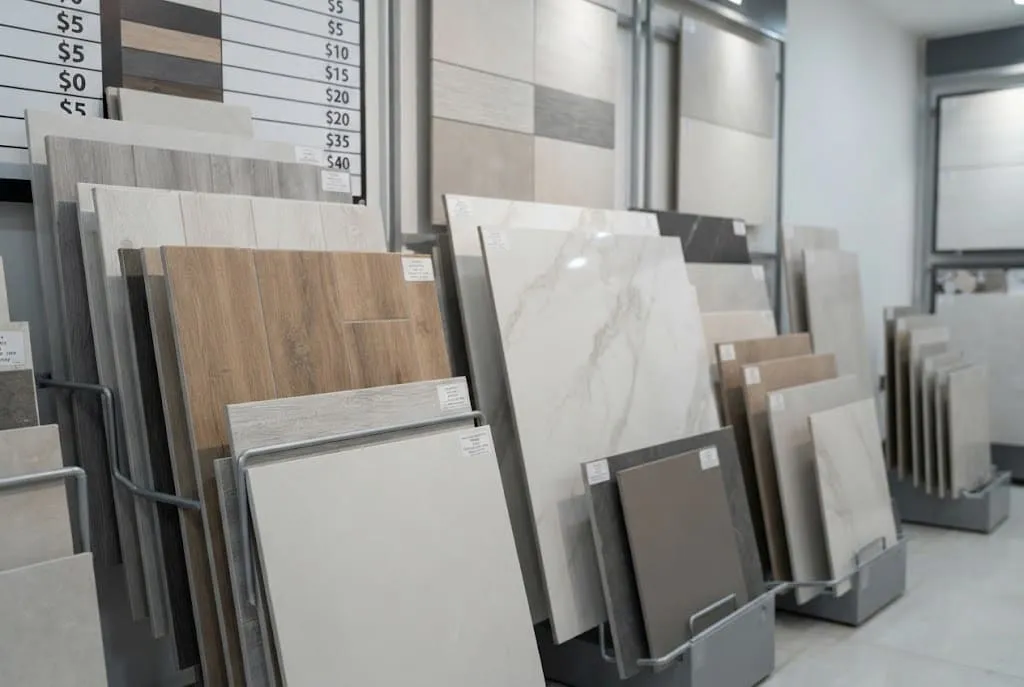
Ceramic and porcelain tiles are commonly sold in boxes, each covering a specified area. To compare quotations accurately, check the box price, tile dimensions, number of pieces, and total coverage stated on the packaging.
Marble, granite, and other stone products may be priced per square meter or per piece, depending on their dimensions and finish. Regardless of the pricing method, convert material quotations to a common price per square meter and compare products with equivalent specifications.
How to calculate tile prices per square meter
To calculate the tile price per square meter from a box quotation, use the following formula:
Price per square meter = Box price ÷ Box coverage area
For example, if a box costs USD 14.40 and covers 1.44 m²:
USD 14.40 ÷ 1.44 = USD 10/m²
A second box priced at USD 13 but covering only 1 m² would cost USD 13/m². Although its box price is lower, its material cost per square meter is higher.
These figures are illustrative calculations, not current market quotations. The resulting unit price provides a consistent basis for comparing materials before accounting for cutting waste, transport, and installation.
What affects tile prices by type?
Because tile prices in Syria change with product availability, origin, specifications, and supplier conditions, there is no single fixed rate that can reliably represent every category. For an initial project budget, obtain dated quotations for the required materials and compare them on an equivalent basis.
| Tile category | Details to confirm when requesting a price |
|---|---|
| Local ceramic floor tiles | Size, quality grade, finish, box coverage, and price per square meter |
| Local porcelain tiles | Size, thickness, grade, finish, and price per square meter |
| Large-format porcelain tiles | Exact dimensions, finish, packaging coverage, and handling conditions |
| Ceramic wall tiles | Dimensions, grade, box coverage, and price per square meter |
| Granite tiles | Origin, dimensions, thickness, finish, and pricing unit |
| Marble tiles | Stone type, origin, thickness, finish, and pricing unit |
A reliable price benchmark should identify the product specifications, currency, quotation date, and validity period. Installation labor must be treated as a separate cost unless it is expressly included in the quoted rate.
Once you have comparable material prices, you can establish a more realistic purchasing budget without relying on outdated market averages.
For a project-specific quotation, contact Qiwaa Advance with the required tile types, sizes, quantities, and delivery location to discuss current supply pricing for your project in Syria.
Read also: Building Material Prices in Syria Today 2026: How to Read the Price Bulletin Before You Buy
Calculating the delivered cost of tiles
When comparing tile prices in Syria, check whether each supplier’s quotation covers warehouse collection or delivery to your construction site. An offer with a lower material price may cost more once freight, loading, and unloading charges are included.
To calculate the actual cost of getting the tiles to your site, use:
Delivered tile cost = Material purchase cost + Transport and handling charges not already included in the quotation
For example, if a tile order costs USD 1,000, with USD 120 for transport and USD 30 for unloading, the delivered cost is USD 1,150. Dividing this amount by the ordered tile area gives you the delivered material cost per square meter, allowing a fairer comparison between suppliers.
If transport or unloading is already included in the quoted price, do not add those charges again. Installation labor, adhesives, grout, and surface preparation are separate expenses addressed when calculating the total installed cost.
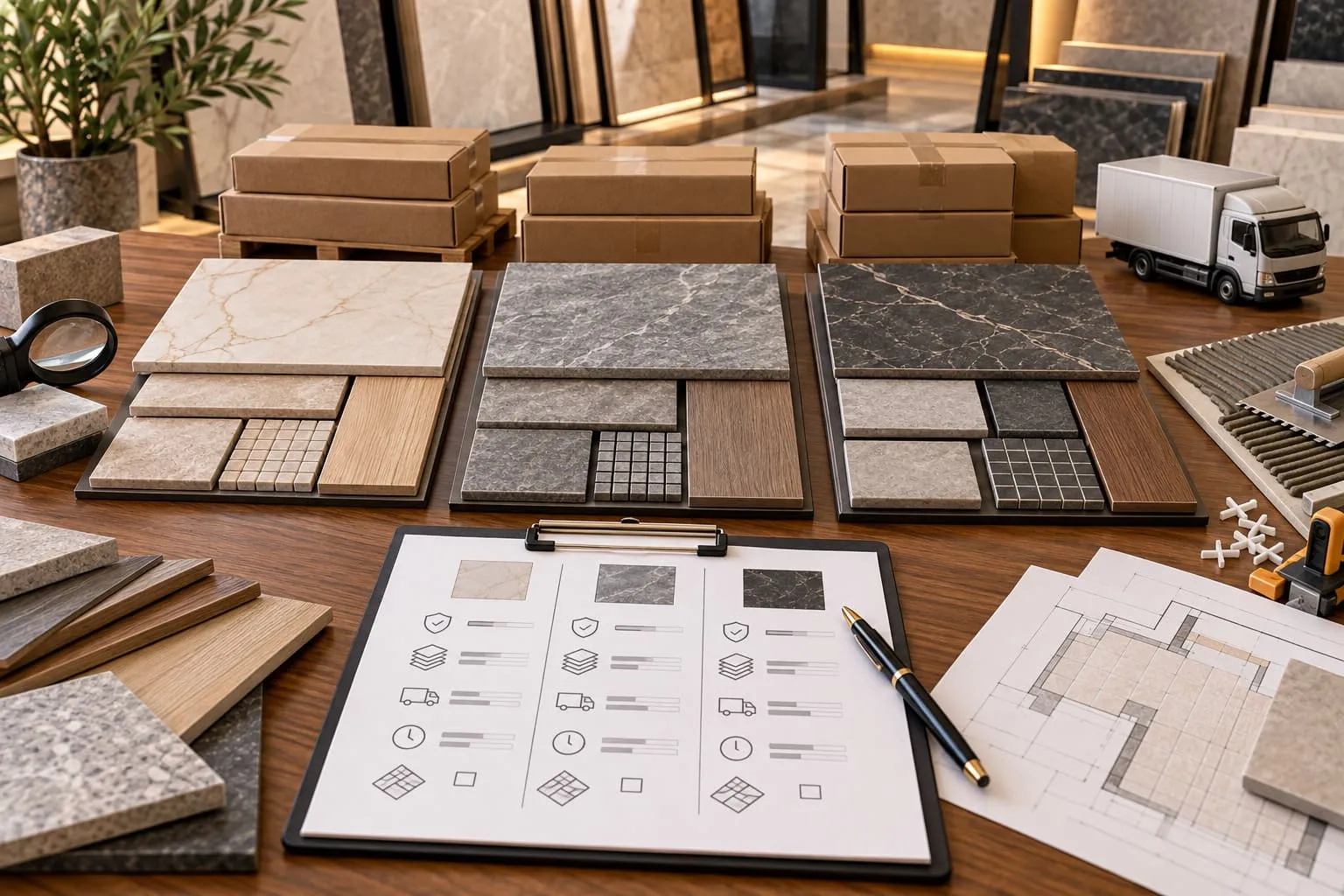
Tile types in Syria and what affects their cost
The type of tile selected for a construction project affects both material prices and installation costs. Size, quality grade, surface finish, and intended use can create substantial differences between quotations, even within the same material category. The main options to consider for projects in Syria include:
Glazed ceramic tiles
- Glazed ceramic tiles offer a wide range of colors and finishes, with prices varying by size, quality grade, surface treatment, and whether the product is intended for walls or floors.
- Commonly used on kitchen and bathroom walls and suitable interior floors, provided the selected product meets the area’s traffic, moisture, and maintenance requirements.
Porcelain tiles
- Porcelain tiles have a dense body and low water absorption. Prices vary with tile dimensions, grade, finish, and product specifications, while larger formats may involve additional handling and installation costs.
- Used in residential floors, corridors, and commercial spaces, including projects requiring stone-look or marble-look finishes, provided the selected product meets the intended traffic and surface performance requirements.
Cement mosaic (Terrazzo) tiles
- Cement-based tiles containing stone or marble aggregates, with costs influenced by thickness, aggregate composition, surface finish, and any required polishing or sealing.
- Used in service areas, utility spaces, corridors, and large construction projects where the specified product meets the expected wear and maintenance requirements.
Slip-resistant tile finishes
- Slip resistance is a surface performance characteristic rather than a separate tile material. Ceramic, porcelain, and certain natural stone products can provide slip-resistant finishes, with differences in texture, performance, and maintenance requirements affecting product selection and cost.
- Suitable for consideration in bathrooms, commercial kitchens, pool surroundings, and outdoor walkways, provided the selected finish meets the project’s slip-resistance requirements under the expected conditions.
Natural Stone and Marble Tiles
- Marble, granite, and other natural stone products vary in price according to stone type, origin, thickness, dimensions, finish, and the processing required for installation.
- Used for entrances, staircases, floors, façades, and selected outdoor areas. Suitability depends on the specific stone’s weather resistance, surface finish, fixing method, and maintenance requirements.
Read also: Ceramic and Porcelain Tiles in Syria: Import Sources and Best Options
How to check tile quality before buying
When comparing tile prices in Syria, a lower quotation is only worthwhile if the supplied tiles meet your project’s technical specifications. Checking material quality before approving an order helps identify potential defects, avoid rejected deliveries, and limit additional installation costs. Focus on the following criteria:
Surface flatness and warpage
- Inspect samples from the proposed product batch for visible bowing or uneven surfaces. Formal measurements of surface flatness and warpage should follow applicable test methods, including ISO 10545-2 for ceramic tiles.
- Excessive warpage can contribute to uneven joints and lippage, particularly with large-format tiles. Compare the measured results with the tolerances required by the project specification before accepting the product.
Dimensional accuracy and squareness
- Check the length, width, edge straightness, and corner squareness of representative samples against the declared product dimensions. Request dimensional test results where compliance must be formally verified.
- Inconsistent dimensions can complicate tile alignment, increase cutting and installation work, and affect joint uniformity. This is particularly important for rectified tiles and layouts requiring consistent joint widths.
Water absorption
- Review the manufacturer’s technical data or test reports to verify the declared water absorption value. For ceramic tiles, ISO 10545-3 specifies the laboratory method used to determine this property.
- Confirm that the absorption classification meets the requirements of the intended installation area. Water absorption alone does not establish suitability for freezing conditions or other environmental exposure.
Surface abrasion resistance
- Check the manufacturer’s abrasion resistance data against the expected level of foot traffic. For glazed ceramic floor tiles, ISO 10545-7 provides a method for assessing resistance to surface abrasion.
- Selecting tiles with inadequate wear resistance can lead to premature surface deterioration and replacement costs. Match the specified performance to the actual use of residential, commercial, or high-traffic areas.
Color and batch consistency
- Confirm shade codes, caliber markings, and production batches on the packaging. Compare representative samples with the approved material sample before accepting deliveries.
- Differences in shade or dimensions between batches can disrupt the finished appearance and make replacements difficult to match. Where tiles are designed with intentional shade variation, assess them against the approved design and product specification.
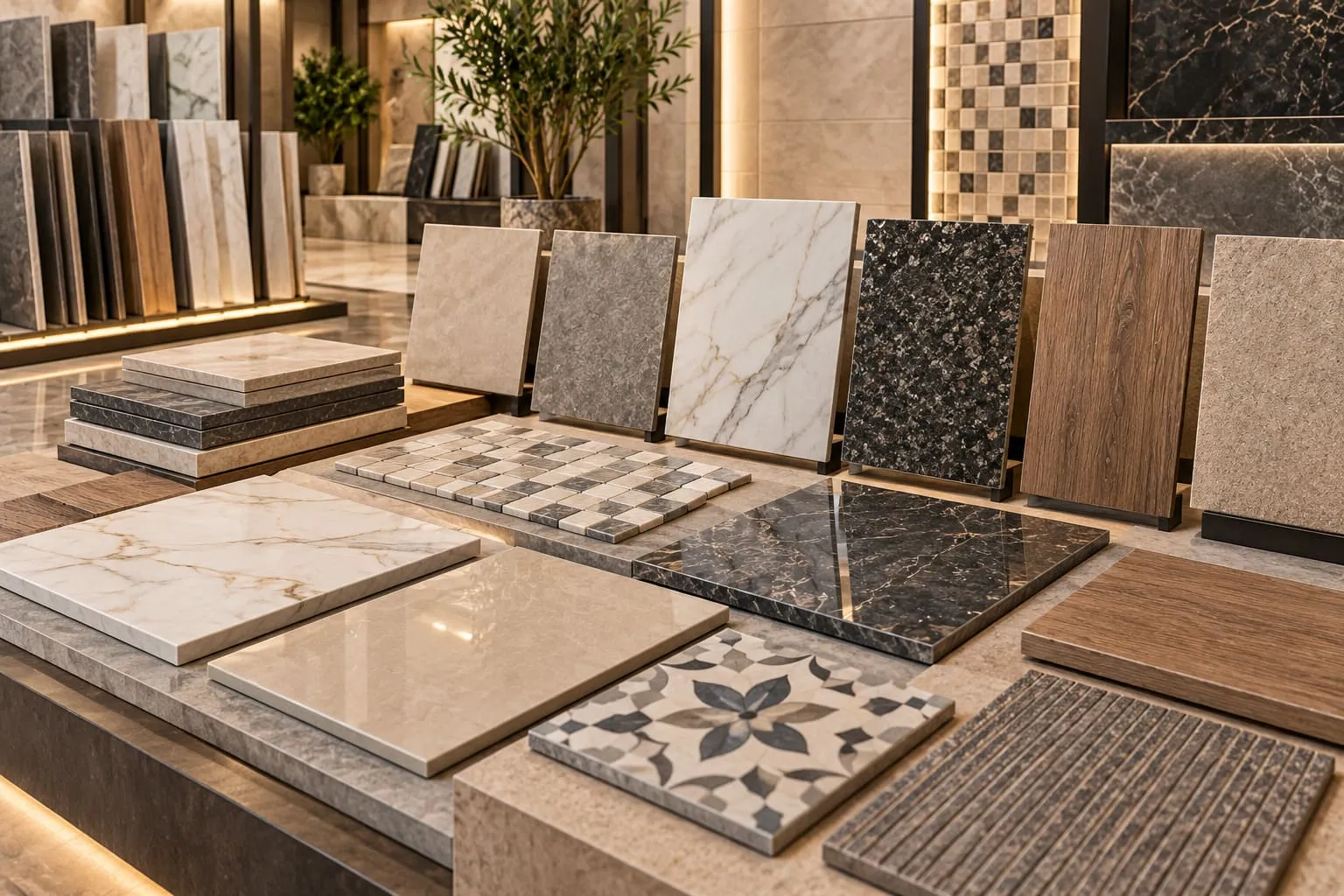
How to calculate tile quantities for your project
Accurate quantity calculations help contractors avoid material shortages and unnecessary purchases. Before comparing tile prices in Syria, calculate the required quantities separately for each tile type, size, and installation area using these steps:
- Calculate the net tiling area: Measure the surfaces to be tiled and deduct openings or excluded areas according to the project’s measurement requirements. Keep floors, walls, skirting, and special pieces as separate supply items, using the appropriate units.
- Allow for cutting and waste: Apply a waste percentage based on tile dimensions, laying patterns, corners, and required cuts.
- Purchase area = Net tiling area × (1 + Waste percentage)
- Calculate the number of boxes: Divide the purchase area by the coverage stated on the packaging and round up to the nearest whole box.
Boxes required = Purchase area ÷ Box coverage, rounded up.
For example, a project requiring 120 m² of tiles with a 6% waste allowance needs:
- Purchase area: 120 × 1.06 = 127.2 m²
- Boxes required: 127.2 ÷ 1.44 = 88.33, rounded up to 89 boxes
The final order should reflect the actual box quantities, with matching product specifications and shade codes across the required supply batches.
How to calculate the installed tile cost per square meter
The material price alone does not represent the final cost of finished tiling. For an accurate project estimate, include the following expenses:
- Delivered tile cost: The purchase cost of the required quantity, including cutting waste, transport, and handling charges not already covered by the quotation.
- Preparation and fixing materials: Substrate preparation, mortar or adhesives, and other materials required by the specified installation method.
- Installation labor: Charges for laying tiles, including applicable cutting and handling work.
- Grouting and finishing: Joint-filling materials, cleaning, and any specified polishing, sealing, or surface treatment.
Calculate the final installed cost using:
Installed cost per m² = (Delivered tile cost + Preparation and fixing materials + Labor + Grouting and finishing) ÷ Net installed area
Use the net installed area, rather than the purchased area, when calculating the finished square-meter rate. This ensures that cutting waste and excess quantities are reflected in the project’s actual installation cost.
When reviewing supplier and subcontractor quotations, check which expenses are already included to avoid double-counting.
How to evaluate tile suppliers and quotations in Syria
When evaluating tile prices in Syria, the lowest quotation is not necessarily the most suitable offer for your project. Beyond the material and delivery costs, contractors and procurement teams need to assess whether suppliers can meet the required specifications, quantities, and delivery schedule. Before selecting a supplier, consider the following:
- Quotation consistency: Compare offers against the same approved tile specifications and pricing basis. Check which materials, services, and charges are included to avoid misleading price differences.
- Product availability: Confirm that the supplier can provide the required quantities, including matching shade and caliber where applicable, without substituting products or splitting orders across incompatible batches.
- Delivery commitments: Verify lead times, delivery locations, and the ability to supply materials in phases aligned with your construction schedule. Clarify responsibility for loading, unloading, and damaged shipments.
- Payment and pricing terms: Review quotation validity, currency, deposits, payment milestones, and any conditions that could change the agreed price before delivery.
- Supplier reliability: Assess the supplier’s previous project experience, product documentation, and procedures for inspecting deliveries, replacing defective materials, and resolving shortages or non-conforming shipments.
A suitable supplier should offer more than a competitive price per square meter. Reliable product availability, clear contractual terms, and deliveries aligned with site requirements are equally important when protecting your finishing budget and construction schedule.
How Qiwaa Advance elps you plan tile costs and supply in Syria
At Qiwaa Advance, we help contractors, developers, and procurement teams obtain project-specific quotations for ceramic, porcelain, marble, and granite in Syria. Because tile prices in Syria vary with material specifications, quantities, and delivery conditions, we focus on defining exactly what your project needs before preparing a supply proposal.
Our support covers four key areas:
- Project-specific pricing: We review the approved tile types, dimensions, grades, finishes, and required quantities to establish a clear supply scope. This helps you obtain pricing based on your actual requirements rather than relying on general market estimates.
- Clear quotation terms: We help clarify the material pricing basis, order quantities, and applicable transport and handling charges, distinguishing the costs included in the quotation from those that must be budgeted separately.
- Material availability and consistency: We coordinate sourcing according to the approved specifications and samples, taking into account product availability, shade consistency, and batch requirements across larger orders.
- Delivery planning: We arrange supply requirements around your project’s finishing schedule, including phased deliveries where needed, so material procurement aligns with site readiness and installation progress.
By connecting pricing with technical specifications and supply arrangements, we help you evaluate the actual cost of your tile order and make purchasing decisions based on more than the advertised price per square meter.
Need a tile supply quotation for your project in Syria? Contact Qiwaa Advance with your required tile specifications, quantities, delivery location, and project schedule. Our team can review your requirements and discuss available materials, pricing, and supply options for your project.
Read also: Infrastructure Contracting in Syria: Choosing the Right Contractor
FAQs about tile prices in Syria 2026
What is the average tile price per square meter in Syria?
There is no single reliable market-wide price for tiles in Syria. Rates vary by material, origin, size, quality grade, order quantity, and delivery location. For an accurate estimate, request dated quotations based on your project’s specifications and compare them using the same price per square meter.
Why do suppliers quote different prices for similar tiles?
Tiles of the same size may differ in manufacturing quality, grade, thickness, surface finish, and technical performance. Packaging coverage and supply conditions can also affect the quoted price. Compare approved samples and product specifications before treating two offers as equivalent.
How long are tile price quotations valid in Syria?
Quotation validity depends on the supplier’s terms and prevailing market conditions. Before approving an order, confirm the expiry date, quotation currency, payment conditions, and whether the price remains fixed for the agreed quantity and delivery schedule.
How can contractors avoid tile shortages during phased deliveries?
Confirm the supplier’s ability to provide the full required quantity, including the specified grade, shade, and caliber. Agree on delivery quantities and dates in advance, and clarify how unavailable products or proposed substitutions will be handled before they affect installation work.
What information is needed to obtain accurate tile prices for a construction project?
Provide the tile type, dimensions, quality grade, finish, approved samples, required quantities, delivery location, and expected supply dates. These details allow suppliers to prepare quotations that reflect your actual project requirements, with material prices, transport, and handling charges clearly identified.