

A competitive marble price per square meter can push a project over budget when cutting waste, fabrication, transport, and installation are not accounted for. For contractors and project managers in Syria, the challenge is comparing quotations with different stone grades, thicknesses, finishes, and supply terms while maintaining the required quality and budget.
This guide helps you evaluate marble prices in Syria in 2026, compare local and imported options, and calculate the total cost of materials, fabrication, and installation. It also covers the factors affecting prices, quantity calculations, and bulk supply planning, along with how Qiwaa Advance can support your project’s marble sourcing and supply requirements.
Marble prices in Syria in 2026
Marble prices in Syria in 2026 vary by stone origin, grade, specifications, and the services included in the quotation. For project budgeting, the price per square meter must be distinguished from the total cost of fabricated, delivered, or installed marble. Published general price ranges are not sufficiently specific to replace quotations based on approved samples and project requirements.
Material prices and installed marble costs
Before comparing marble quotations, confirm what each price per square meter includes. Suppliers and contractors may quote on different bases:
| Pricing basis | What it covers | What to verify |
|---|---|---|
| Material only | Marble slabs or tiles | Stone type, grade, thickness, dimensions, and finish |
| Fabricated and delivered | Marble, cutting, edge finishing, packaging, and transport as specified | Fabrication details, delivery location, unloading, and exclusions |
| Supply and installation | Marble and installation within the agreed scope | Setting materials, labor, substrate preparation, finishing, and excluded works |
For an accurate comparison, request prices against the same approved sample, specifications, quantities, and delivery terms. Floors, stairs, and wall cladding should also be priced separately where their fabrication and installation requirements differ.
Local vs. imported marble prices
Local Syrian marble can offer procurement and transport advantages when the approved stone is available in the required grade and quantity. Imported marble provides access to additional colors and selections, but its final cost also depends on international shipping, availability, and delivery conditions.
To compare local and imported marble fairly, use the same technical specifications and pricing scope. Assess the cost of each option up to the agreed delivery point, including any required fabrication and finishing, rather than comparing the stone purchase price alone.
For large projects, confirm that the selected grade and visual characteristics can be supplied consistently across the required quantities. A lower initial material price may not represent the more economical option if additional sorting, cutting, or replacement is required.
What affects marble prices in Syria?
Two suppliers may quote different marble prices per square meter for what appears to be the same stone. The difference often comes down to material selection, fabrication requirements, and delivery terms. Understanding these factors helps you compare quotations accurately and identify costs that may not be included in the initial price.
Type, origin, and grade
The stone’s origin and selection requirements influence its price, but a higher price or imported origin does not necessarily indicate better suitability for your project. When reviewing quotations, consider:
- Stone selection: Confirm the specified variety, suitability for the intended application, and agreed quality criteria rather than relying on the trade name alone.
- Grade and appearance: Define acceptable variations in color, veining, natural fissures, and repairs using approved samples. Grade descriptions should be clearly agreed upon rather than assumed to follow a universal classification.
- Material consistency: For large surfaces, verify that sufficient material is available within the approved visual range and that the required vein-matching arrangements can be achieved.
Thickness, size, and fabrication
The required dimensions and finishing details affect both material consumption and processing costs. The main considerations are:
- Thickness and dimensions: Thicker pieces require more material, while large or non-standard sizes may reduce cutting yield and increase waste.
- Fabrication requirements: Stair treads, curved elements, openings, and cut-to-size pieces involve additional processing compared with standard tiles.
- Surface and edge finishes: Polishing, honing, edge profiling, and specified vein matching can increase fabrication time and cost.
Order volume, transport, and packaging
For large construction projects in Syria, the quoted marble price also depends on the order quantity and delivery arrangements:
- Order volume and availability: Bulk quantities may qualify for better unit pricing, provided the required selection and dimensions are available.
- Transport and handling: Delivery distance, slab dimensions, protective packaging, and unloading requirements affect the total supply cost.
- Phased deliveries: Splitting an order into several shipments may increase logistics costs, but can reduce on-site storage requirements.
Before comparing offers, confirm that each supplier has priced the same stone specifications, fabrication scope, quantities, and delivery terms. This provides a consistent basis for evaluating the actual cost of each option.
Read also: Marble and Granite Supply in Syria for Luxury Projects
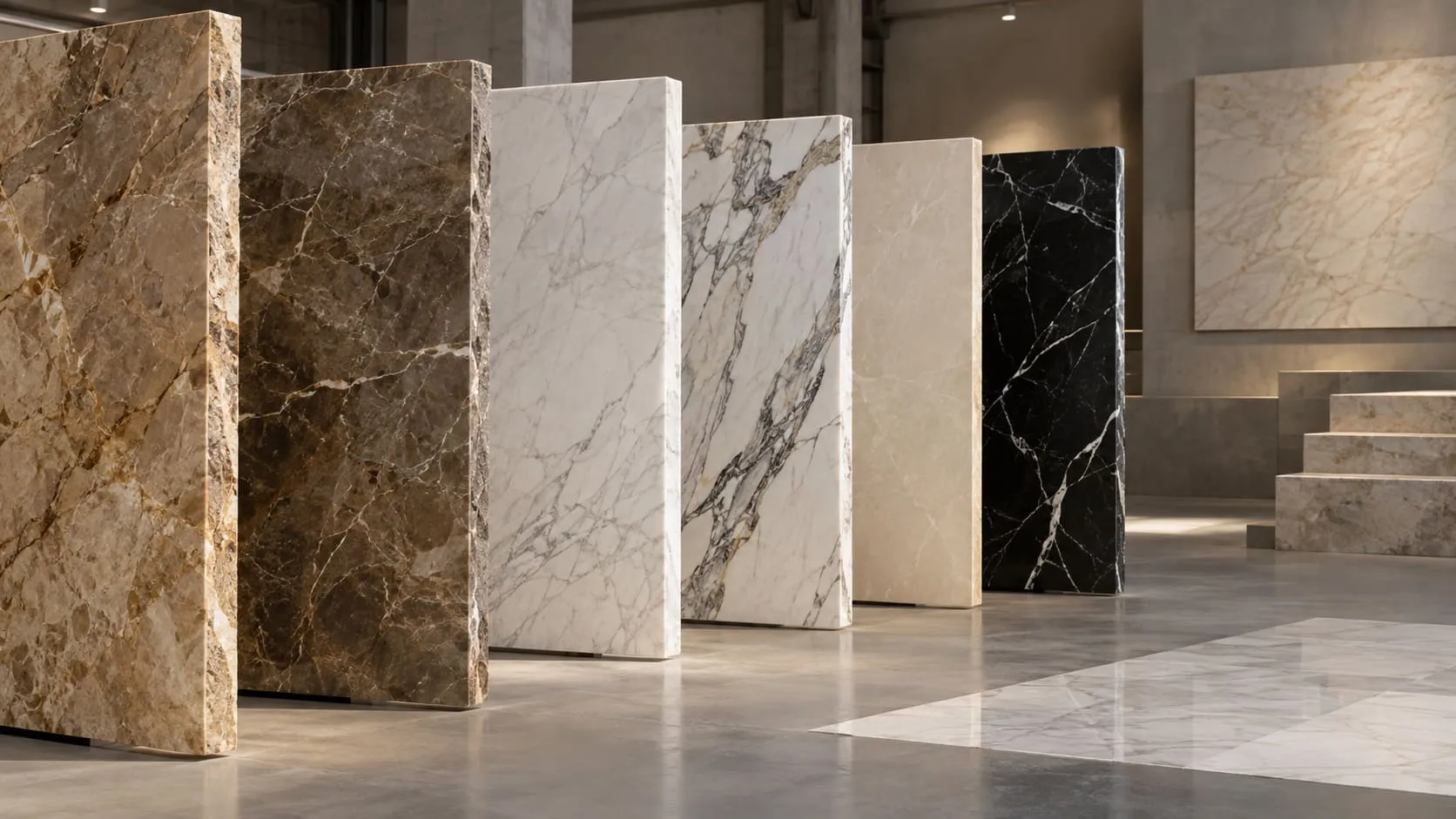
Choosing marble types for projects in Syria
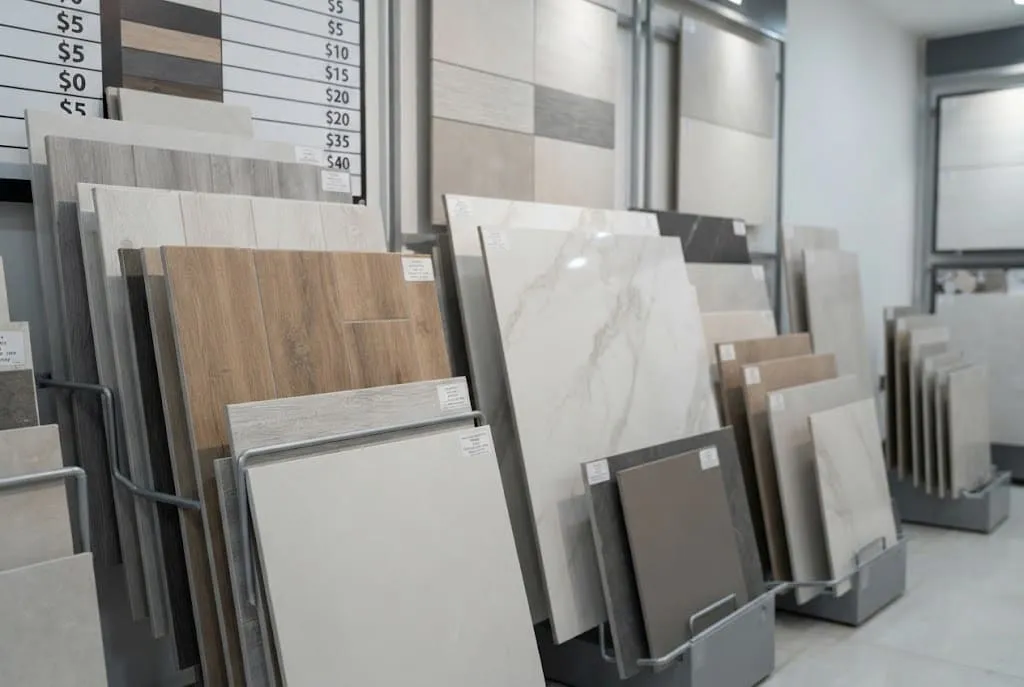
The marble types available in Syria differ in appearance, availability, and fabrication requirements, all of which influence project costs. When comparing options, consider the specified finish, required quantities, and consistency of supply alongside the material price.
Local Syrian marble and stone
Local stone can reduce some procurement and transport costs when the required specifications and quantities are available. Commonly referenced options include:
- Masyafi marble: Available in beige and brown tones with natural veining. Pricing depends on the selected grade, thickness, finish, and consistency required across the project.
- Ruhaibani marble: A locally traded stone used in flooring, stairs, and cladding. Compare quotations using approved samples, specified dimensions, and the same selection criteria.
- Aleppo and other local stones: Regional trade names may cover different natural stone varieties. Confirm the stone’s technical properties, available sizes, and supply quantities before comparing prices.
Imported marble
Imported varieties offer additional colors and veining patterns, but material selection, availability, and import-related costs can affect the final quotation. Common options include:
- Italian Carrara: White to light gray marble with natural veining. Pricing varies with color selection, vein consistency, thickness, and finish.
- Italian Calacatta: Known for its distinctive veining. Projects requiring carefully matched patterns or large, visually consistent slabs may face higher selection and fabrication costs.
- Spanish Crema Marfil: A beige natural stone commercially sold as marble. The required color consistency, selection grade, and slab dimensions influence pricing.
- Spanish Nero Marquina: A black stone with contrasting white veins. Matching veining across large surfaces or architectural features can increase material selection and fabrication costs.
For either category, compare the cost of approved material delivered to site, rather than assuming that local stone is always cheaper or imported marble is necessarily higher quality.
At Qiwaa Advance, we can help review local and imported sourcing options against your project’s specifications, quantities, and delivery requirements before finalizing the material selection.
Also read: Marble and Granite Supply in Syria for Luxury Projects
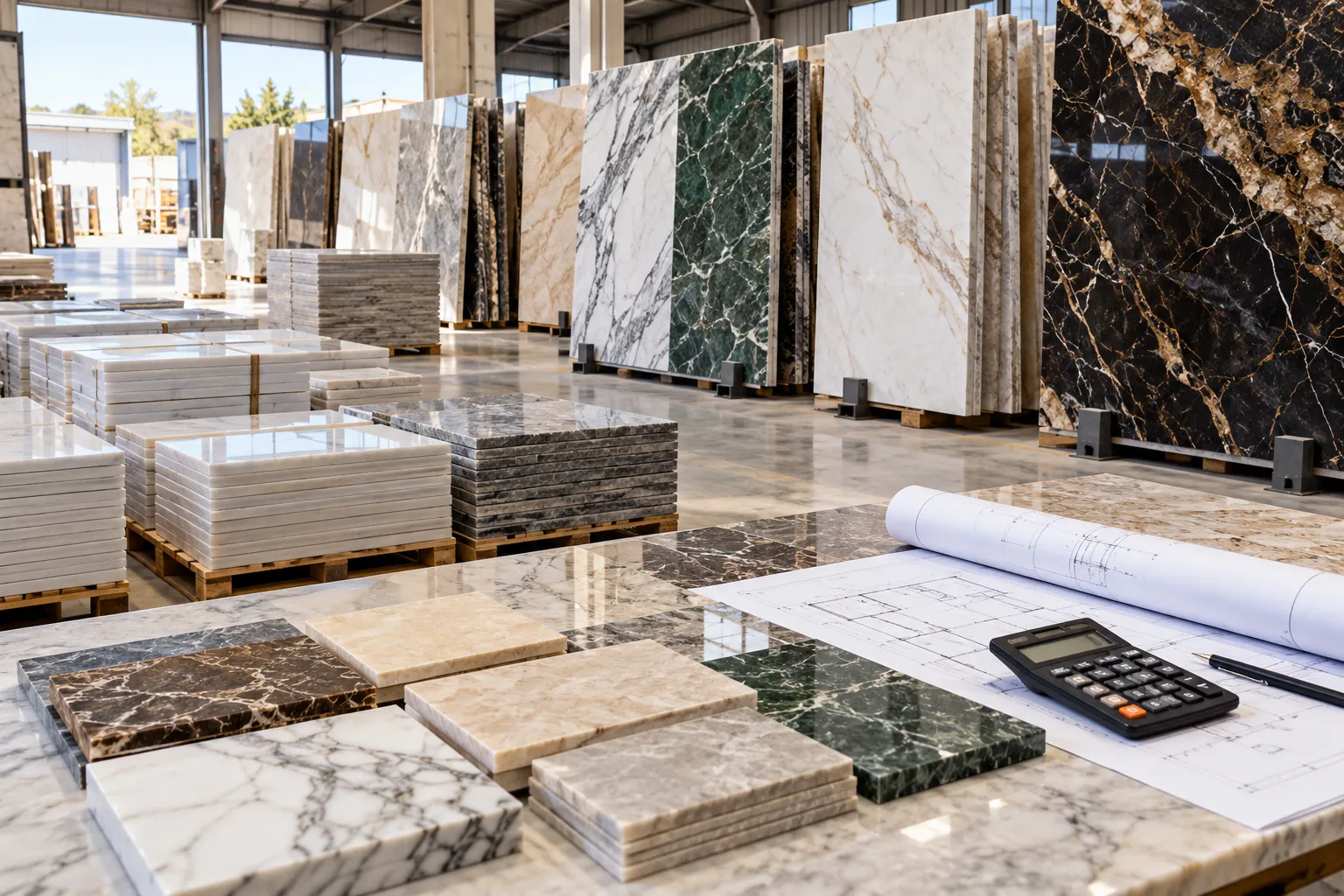
How to calculate marble costs per square meter
To calculate the actual marble cost per square meter, distinguish between the quantity purchased and the area installed. The estimate must account for material waste, fabrication, delivery, and installation—not just the quoted stone price.
Calculate material quantities
Measure floors, wall cladding, stairs, and special pieces separately using the approved drawings. Then determine purchase quantities based on slab dimensions, cutting layouts, vein-matching requirements, and a justified allowance for waste and reserves.
Required quantity = Net stone area + Cutting waste + Reserve quantity
Avoid applying a fixed waste percentage across all areas, as cutting efficiency varies with piece dimensions and layout.
Calculate the total cost per square meter
Add the costs of purchased marble, fabrication, finishing, packaging, transport, installation materials, labor, and any project-specific work not already included in the quotation.
Installed cost per m² = Total installed cost ÷ Measured installed area (m²)
Calculate separate rates for flooring, cladding, and stairs where their fabrication or installation requirements differ. This provides a consistent basis for comparing quotations and setting the project budget.
For a project-specific estimate, share your drawings, BOQ, and marble specifications with Qiwaa Advance to review the supply and installation requirements.
Read also: Building Materials in Syria 2026: How to Choose Materials and Read Prices by City
How bulk marble supply affects project costs in Syria
For large projects, a lower marble price per square meter does not always mean a lower total supply cost. Material selection, order quantities, packaging, and delivery arrangements can affect the final budget. Controlling these costs starts with three procurement steps.
Confirming specifications and order quantities
Before comparing wholesale quotations, provide suppliers with the same approved marble samples, selection criteria, thicknesses, dimensions, finishes, and required quantities.
Specify whether the order covers slabs, tiles, or cut-to-size pieces, and confirm which fabrication and delivery services are included in the price. This prevents differences in specifications or excluded services from distorting the comparison.
Checking marble quality and packaging
For bulk orders, confirm that the supplied stone matches the approved samples and agreed quality criteria. Inspect dimensions, finishes, and acceptable color and veining variations before shipment.
Packaging must protect slabs and finished pieces during transport. Damaged materials, inconsistent selections, or incorrect dimensions can increase replacement, fabrication, and delivery costs.
Scheduling deliveries to control costs
Coordinate delivery batches with the installation schedule and available site storage. While phased deliveries can reduce storage and handling requirements, additional shipments may increase transport costs.
Compare these costs before finalizing the delivery schedule, and confirm that sufficient matching material is available for subsequent batches.
The most useful wholesale quotation is one that clearly identifies the material, fabrication, packaging, and delivery costs, allowing you to assess the total supply expense rather than the stone price alone.
Read also: Infrastructure Contracting in Syria: Choosing the Right Contractor
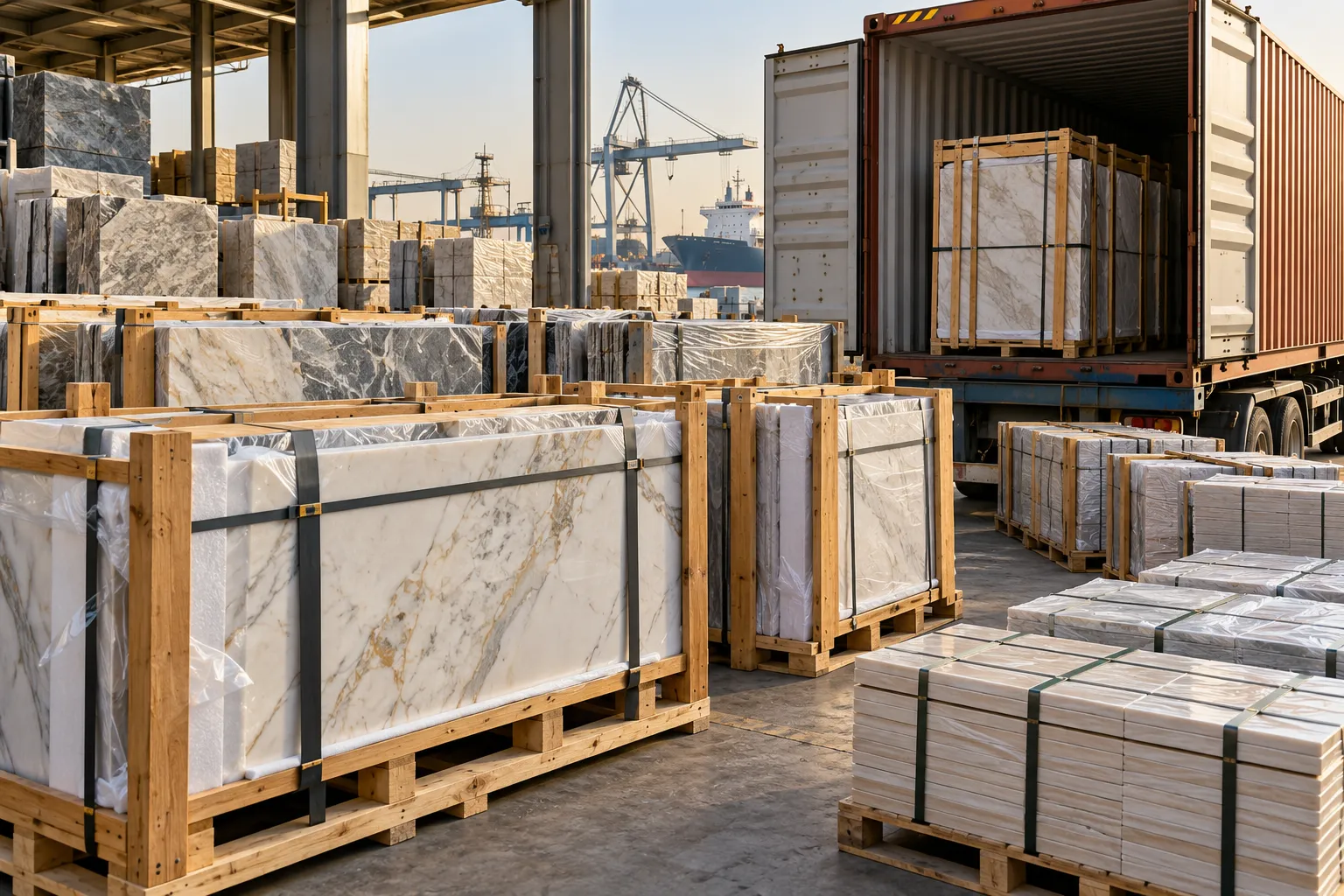
How Qiwaa Advance supports marble supply in Syria
At Qiwaa Advance, we help contractors and developers source local and imported marble based on project specifications, quantities, and budget requirements. Through our trading and contracting activities and our partnership with Al-Furat Marble and Granite, we connect material sourcing with the technical and delivery requirements of construction projects in Syria.
Our support covers three key areas:
- Material selection and sourcing: Reviewing available marble options against approved samples, grades, dimensions, and required quantities.
- Cost and specification alignment: Defining the material, fabrication, and delivery scope to support accurate quotations and purchasing decisions.
- Supply coordination: Planning material deliveries around construction phases and site requirements.
Send us your project drawings, BOQ, and marble specifications to discuss sourcing options and request a quotation based on your project’s requirements.
FAQs about marble prices in Syria
How much does marble cost per square meter in Syria in 2026?
Marble prices in Syria in 2026 vary by stone type, grade, dimensions, and supply scope. An accurate price per square meter requires a current quotation specifying the material and included services.
Does the marble price per square meter include installation?
Not necessarily. Material prices may exclude cutting, edge finishing, delivery, installation materials, and labor. Confirm these items before comparing quotations.
Why do Masyafi marble prices vary between suppliers?
Prices depend on the stone selection, thickness, dimensions, surface finish, and available quantities. Compare offers using the same approved sample and technical specifications.
Is local marble always more economical than imported marble?
Not always. Local marble may reduce some procurement and transport expenses, but the final comparison depends on material quality, fabrication, availability, and total delivered or installed costs.
What information is needed to request a marble quotation?
Provide your project drawings, BOQ, approved stone samples or specifications, quantities, delivery location, and required schedule. These details help suppliers prepare quotations based on a consistent scope.