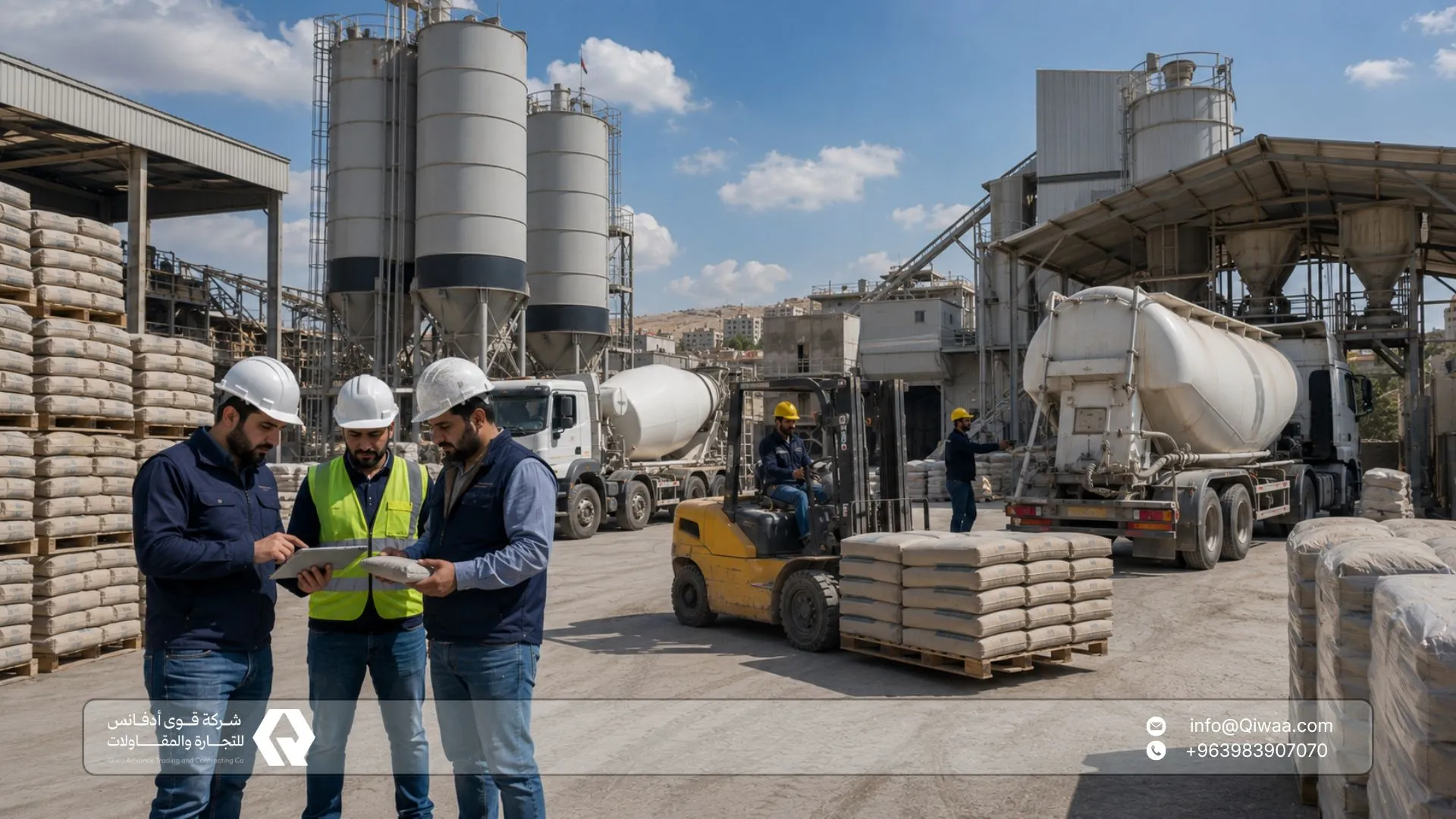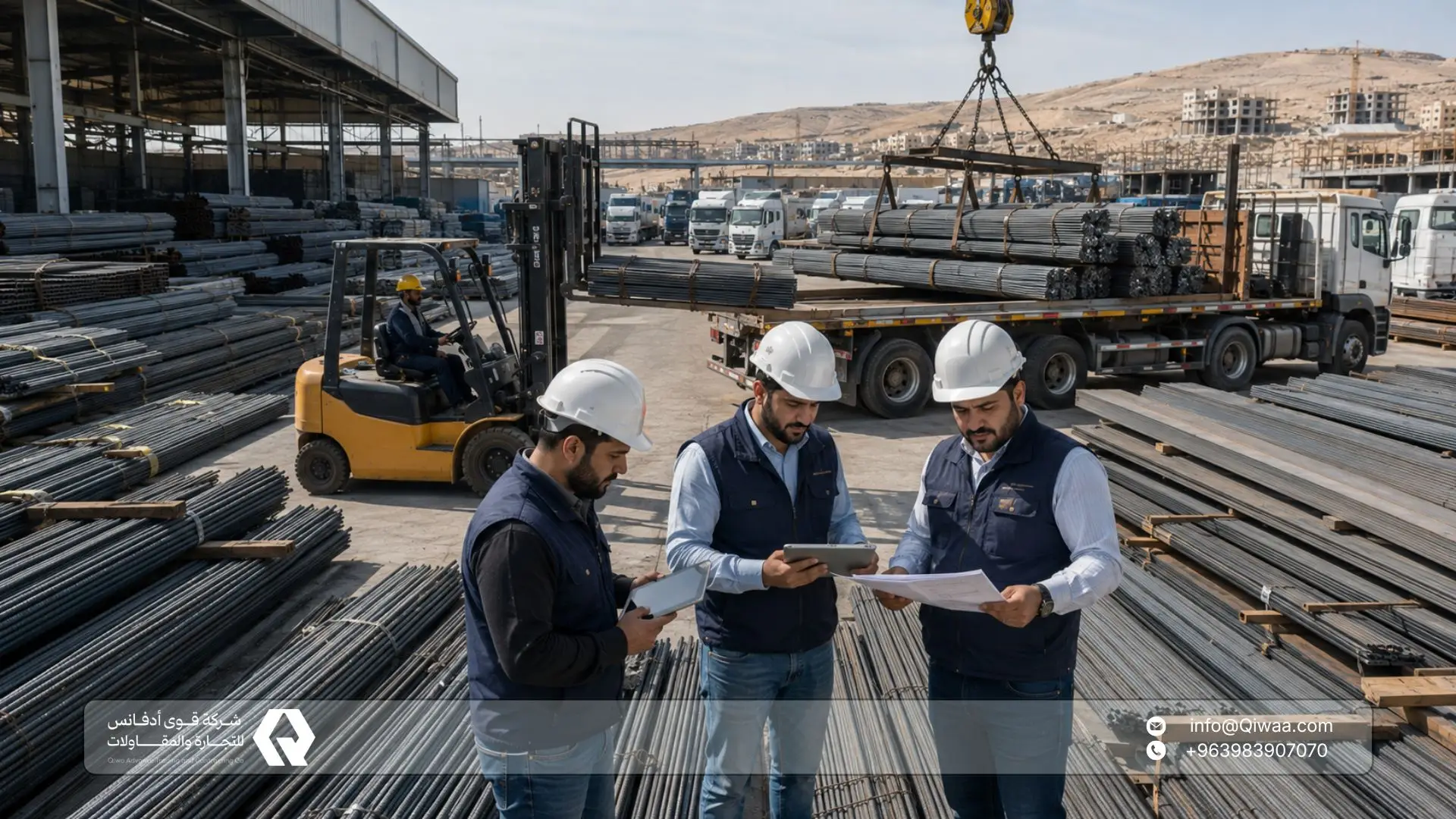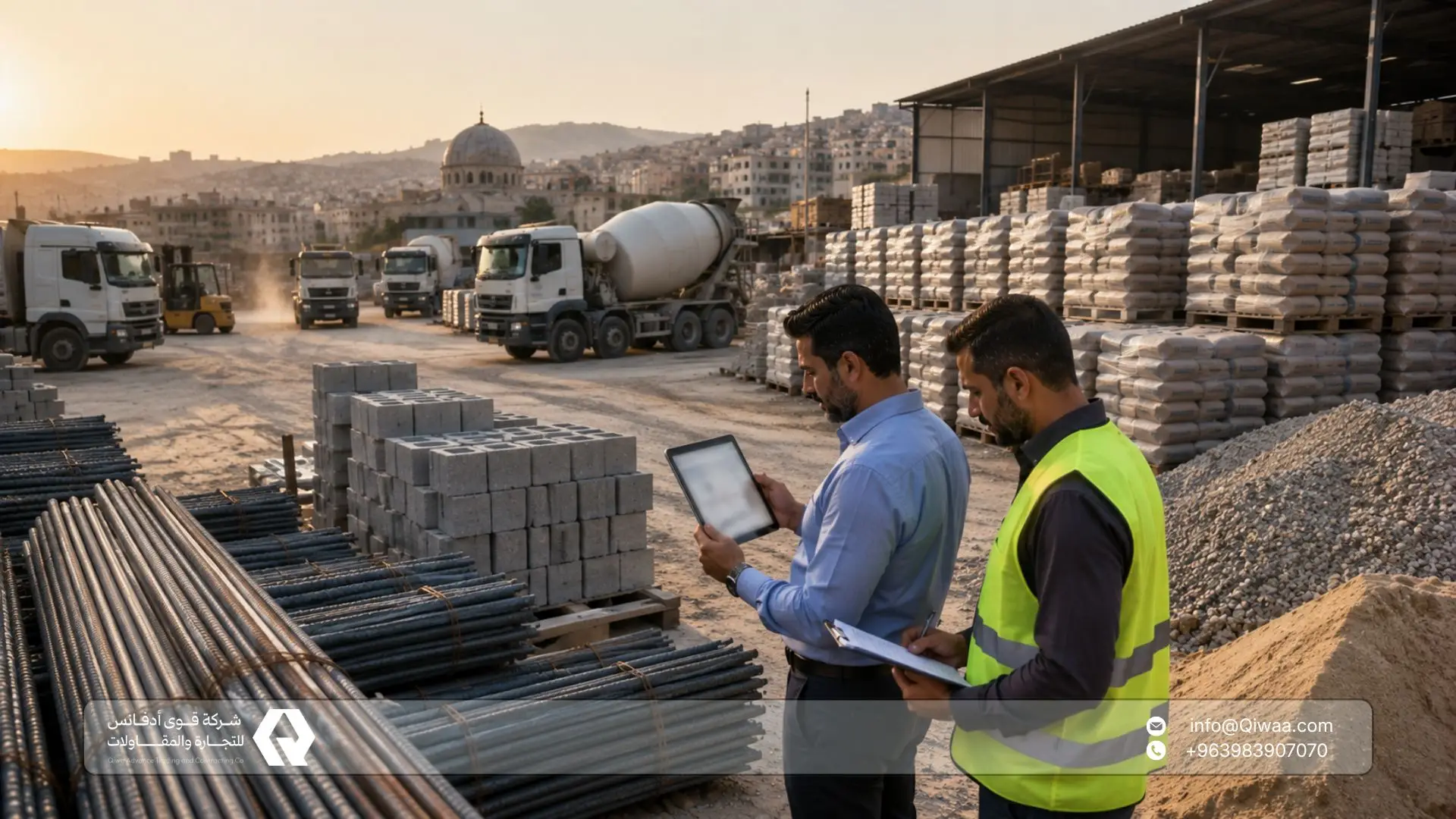


In water projects, the issue is not only getting pipes to the site. The real challenge is choosing a pipe solution that can handle long service life, reduce maintenance pressure, move more easily through transport and installation, and keep network performance stable over time.
In Syria, where many projects are tied to rehabilitation, expansion, and execution under practical site constraints, this decision affects not only the network itself but also project speed, operating cost, and future reliability.
In this article, we explain why GRP fiberglass pipes are gaining attention in water projects in Syria, where they are most commonly used, what practical advantages they offer, and what you should review before selecting a supplier.
We also show how Qiwa Advance helps projects connect the right GRP solution to actual network requirements, execution conditions, and supply planning from the start.
Why GRP Fiberglass Pipes Are Getting More Attention in Syria’s Water Projects
GRP fiberglass pipes are gaining more attention in Syria because water projects today need more than a pipe that simply moves water. They need a solution that supports faster execution, lowers long-term maintenance pressure, and helps the network perform more reliably over time.
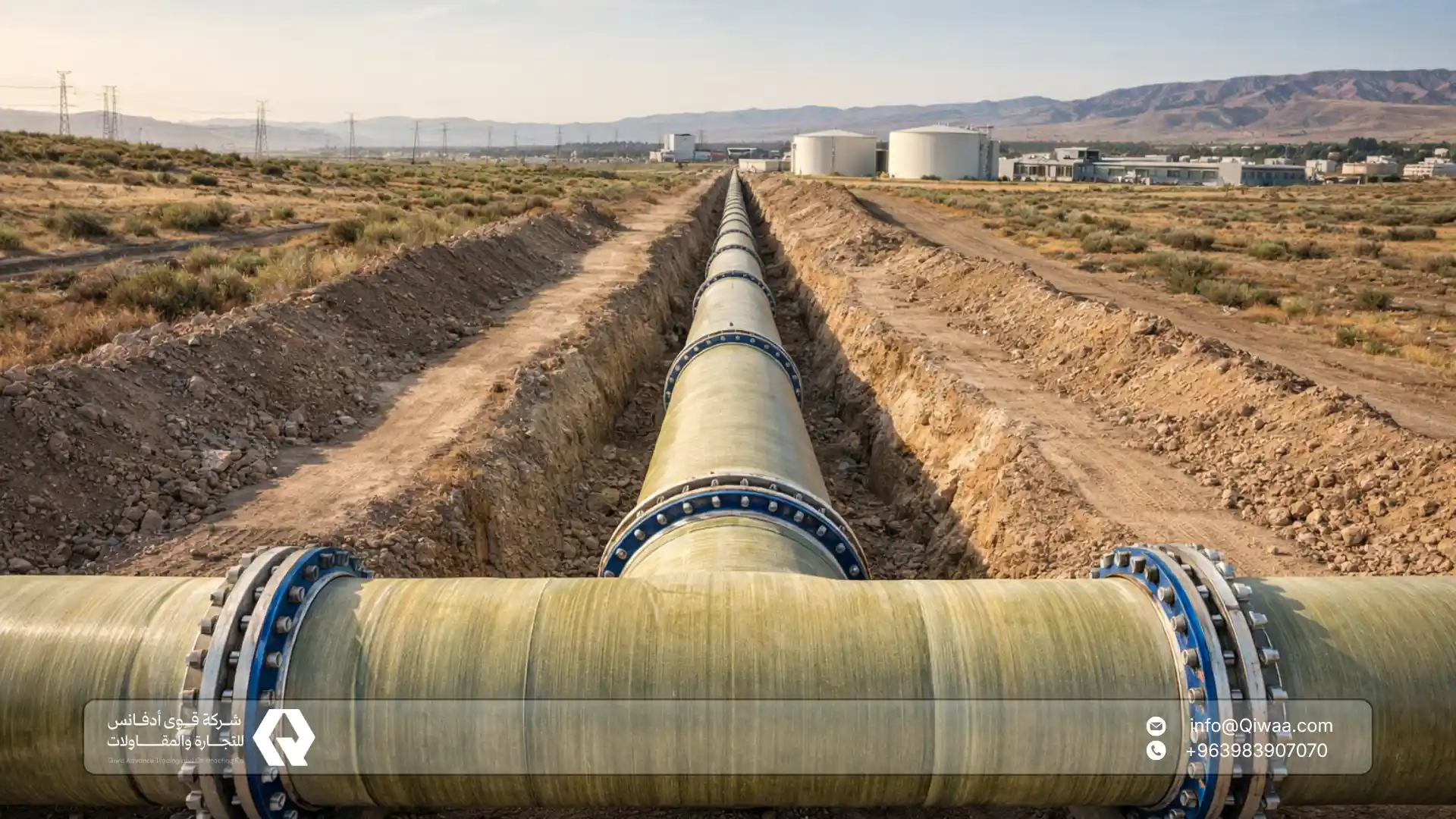
This is especially relevant in Syria, where many projects involve network rehabilitation, new transmission routes, station and reservoir connections, and future expansion works. In these projects, the value of the pipe material is measured not only by initial installation, but by how it supports transport, handling, corrosion resistance, hydraulic performance, and long-term operating stability.
For contractors, developers, and project owners, this makes GRP a practical option in applications such as:
- main water transmission lines
- water distribution networks
- drinking water projects
- irrigation projects
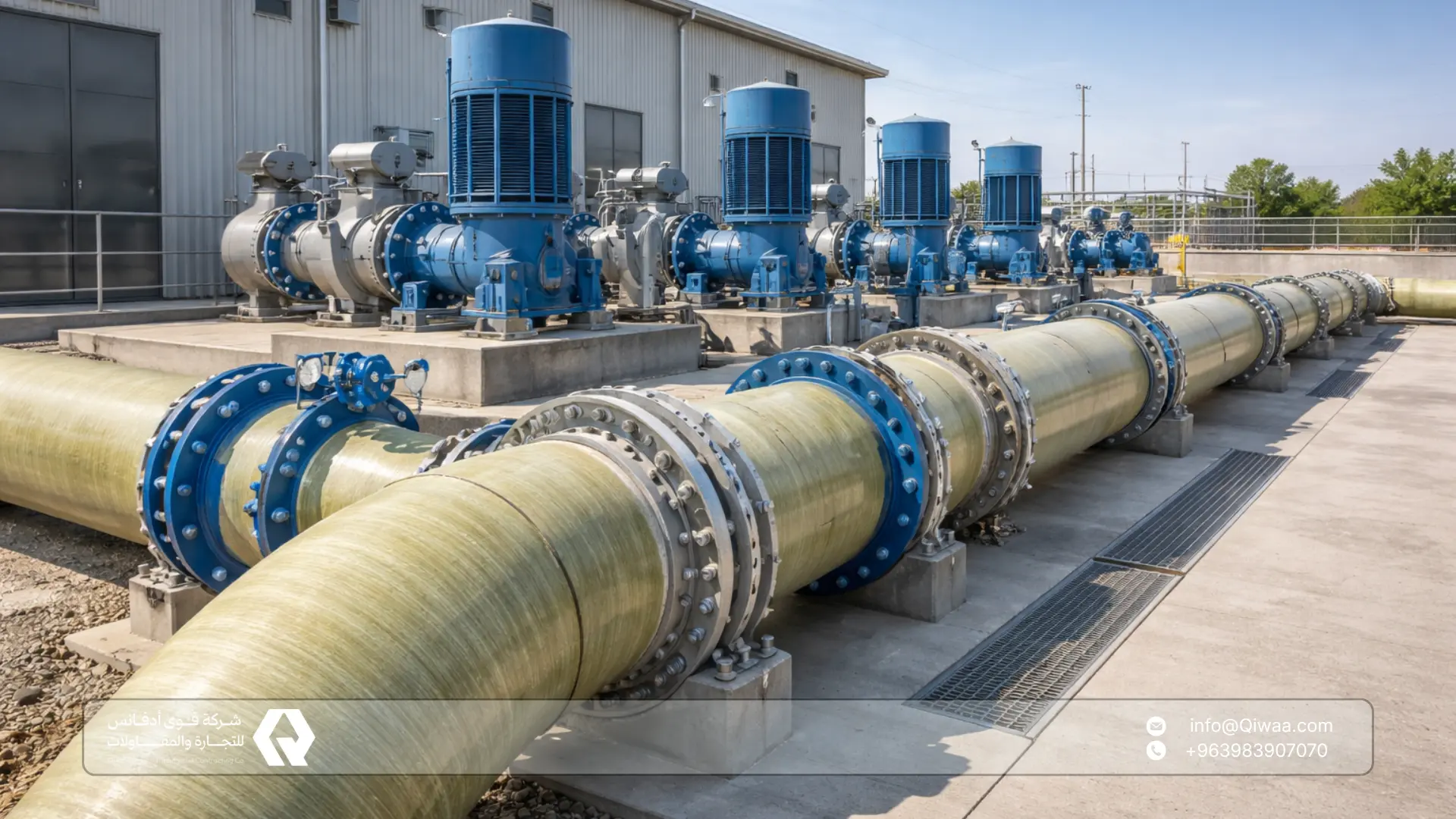
- desalination plants
- seawater lines
- sewer and stormwater networks
- reservoir and station connection projects
- rehabilitation and expansion of existing networks
This wide application range is one of the reasons many project teams now view GRP fiberglass pipes as an execution and operations solution, not only a technical alternative. If your project needs a pipe system that combines lighter handling, corrosion resistance, and stronger long-term network performance, Qiwa Advance can help you review the right GRP solution and connect it to your project requirements from the start.
Read more: Qiwa Advance: Amiantit Agent in Syria | Water Infrastructure Partnership
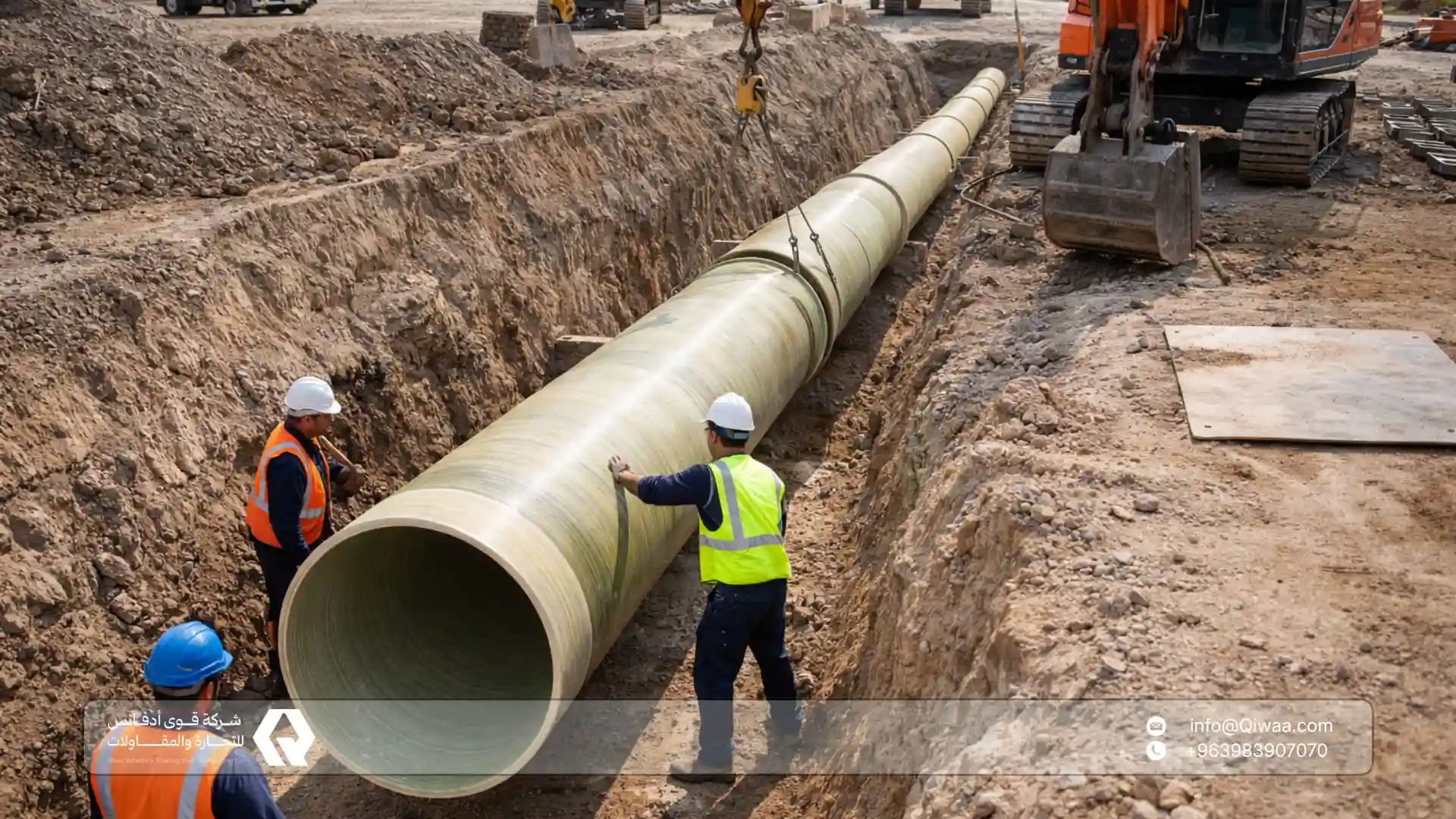
What Makes GRP Fiberglass Pipes a Practical Choice in Water Projects?
If you are considering GRP pipes for a water project, the decision is not about replacing one material with another. It is about whether the pipe system gives the project clearer operational value in installation, network performance, and long-term maintenance.
The main advantages appear in four areas:
1. Stronger Corrosion Resistance
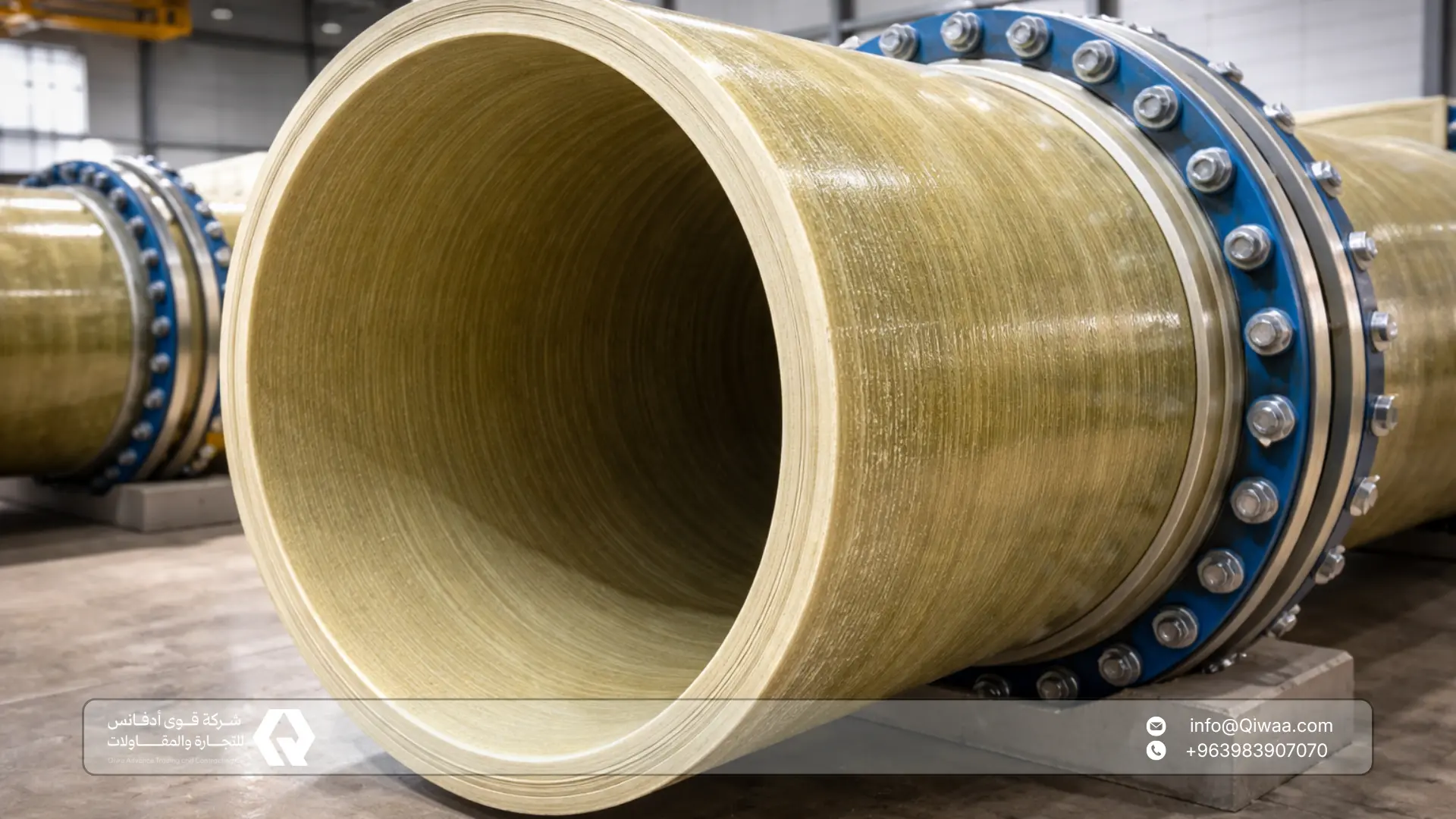
GRP pipes perform well in environments where corrosion, chemicals, or aggressive soils can reduce the service life of other materials. This helps lower the risk of premature deterioration and reduces future maintenance or replacement pressure.
2. Lighter Handling and Easier Installation
Because GRP pipes are lighter than some traditional alternatives, they can help simplify execution on site through:
- easier transportation
- simpler handling
- faster installation
- lower logistical complexity during delivery and placement
This matters when project speed and site movement are part of the execution challenge.
3. Better Hydraulic Performance
The smooth internal surface helps maintain stronger flow efficiency, reduce pressure loss, and support more stable network performance over time. For water projects, this is not a minor feature. It directly affects how efficiently the network operates after handover.
4. Tighter Joints and Lower Water Loss
Well-sealed joints help reduce leakage and water loss, which is especially important in projects that aim for stronger network reliability and lower operating waste.
In practical terms, GRP pipes stand out when the project needs a solution that supports execution efficiency on site and more stable performance after operation begins.
If you want to assess whether GRP is the right fit for your network, Qiwa Advance can help you review the option against your project conditions and supply requirements.
How to Choose a GRP Pipe Supplier in Syria
Before contracting with a GRP pipe supplier, focus on the points that affect project fit, execution clarity, and supply reliability — not only the quotation itself.
Check these points before approving the supplier:
- Application understanding
Make sure the supplier understands whether the project is transmission, distribution, irrigation, sewage, or station connection, because system selection starts with the actual application. - Integrated system, not pipes only
The stronger supplier provides pipes together with fittings, accessories, and connection solutions, not just the pipe as a standalone item. - Clear technical data
Ask for available diameters, pressure ratings, system details, and installation method before approving any offer. - Technical support or installation guidance
GRP systems depend on correct connection and installation practices, so technical guidance is an important part of supply quality. - Supply linked to project reality
A good supplier should help connect sizing, system selection, and supply planning to the actual needs of the project, not just issue a brief quotation. - Clear supply scope
Confirm whether the offer includes only pipes or also fittings, accessories, and related components. - Specialized product source
Working with a specialized brand gives the project stronger clarity in system selection and technical suitability.
In practical terms, the best GRP supplier is the one that understands the project, not only the product. At Qiwa Advance, we help projects review GRP solutions from that perspective: application first, system fit second, and supply planning that supports execution from the start. If you want a clearer view before approving supply, contact Qiwa Advance to discuss your project requirements.
Also read: Qiwa Advance: Official Vişne Madencilik Agent in Syria
Amiantit in Syria Through Qiwa Advance
Through its partnership with Amiantit, Qiwa Advance gives water and infrastructure projects in Syria access to a broader range of specialized pipe and network solutions through one clearer channel.
Amiantit’s product portfolio includes GRP/GRE systems, ductile iron pipes, HDPE pipes, tanks, fittings, and industrial valves serving applications such as drinking water, irrigation, industrial water, wastewater, stormwater, seawater intakes, and firefighting systems.
For contractors, developers, and project owners, this partnership means more than product availability. It means access to a recognized infrastructure brand through a local partner that can help connect the right solution to the actual network type, project scope, and execution requirement.
If your project needs a more reliable supply path for water infrastructure products in Syria, Qiwa Advance can help you review the available options and identify the most suitable one.
Why Projects Work with Qiwa Advance?
At Qiwa Advance, we do not approach GRP pipe supply as a simple purchase request. We approach it from the perspective of the project itself: the application, the network type, the quantities, the execution sequence, and the site conditions.
That is why we help clients:
- choose the right product for the actual application
- connect supply to project timing and site reality
- organize specifications and quantities more clearly
- evaluate whether GRP is the right operational choice for the network
This gives projects a clearer path from product selection to actual execution, instead of treating supply as a separate step from the work on site.
If you are looking for GRP pipe solutions in Syria and want clearer technical direction from the beginning, contact Qiwa Advance to discuss your project requirements and review the right solution for your network.
Also Read: Qiwa Advance and Variant Factory in Syria: Advanced Formwork Partnership
Frequently Asked Questions About GRP Fiberglass Pipes in Syria
1. Are GRP pipes suitable for drinking water projects?
Yes. GRP pipes are suitable for many drinking water, transmission, and distribution applications because they combine good hydraulic performance, tight joints, and long-term corrosion resistance.
2. Are GRP pipes only suitable for large projects?
No. They are strong in large-diameter transmission projects, but they are also suitable for many water, irrigation, wastewater, and rehabilitation applications depending on network design and project requirements.
3. Why are Amiantit products now receiving more attention in Syria?
Because Amiantit is becoming more closely linked to water and infrastructure projects in Syria through a clearer market presence and an official supply channel via Qiwa Advance. For project owners and contractors, this means better access to specialized products through a more organized route.
4. Where do GRP pipes create the most value in water networks?
Their value appears most clearly in transmission lines, distribution networks, reservoir and station connections, and rehabilitation works where corrosion resistance, hydraulic efficiency, and lower maintenance matter over the long term.
5. When are GRP pipes more suitable than traditional alternatives?
They are more suitable when the project needs longer service life, easier handling, reduced corrosion-related risk, stable flow performance, and lower operating and maintenance pressure over time.
6. How do I know if GRP is the right choice for my project?
The decision depends on the network type, project conditions, operating requirements, and long-term performance goals. If the priority is not only installation, but also reliability and lower maintenance later on, GRP is often worth serious consideration.
Read more: Qiwa Advance and Ariane in Syria: Professional Porcelain Partnership