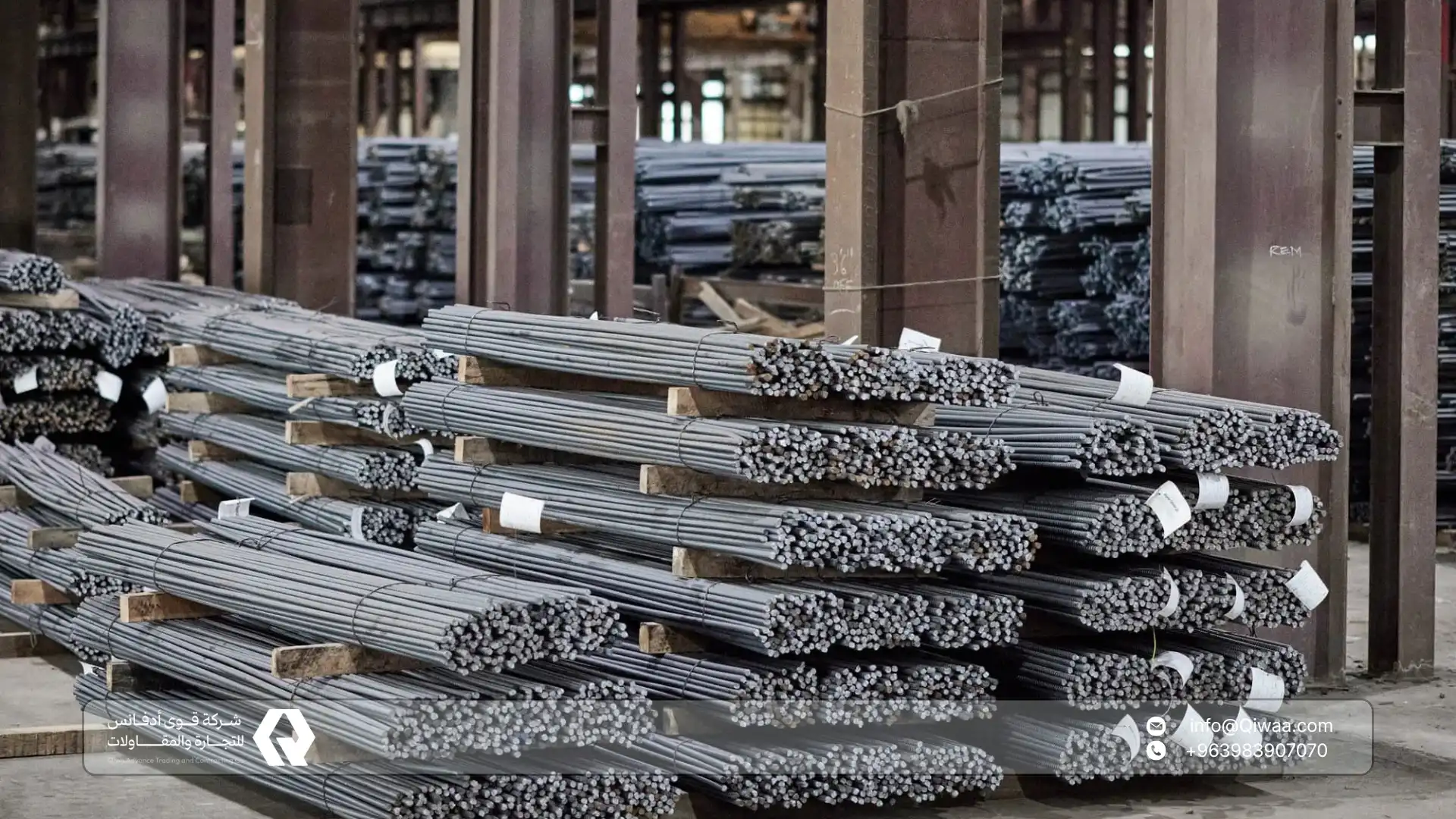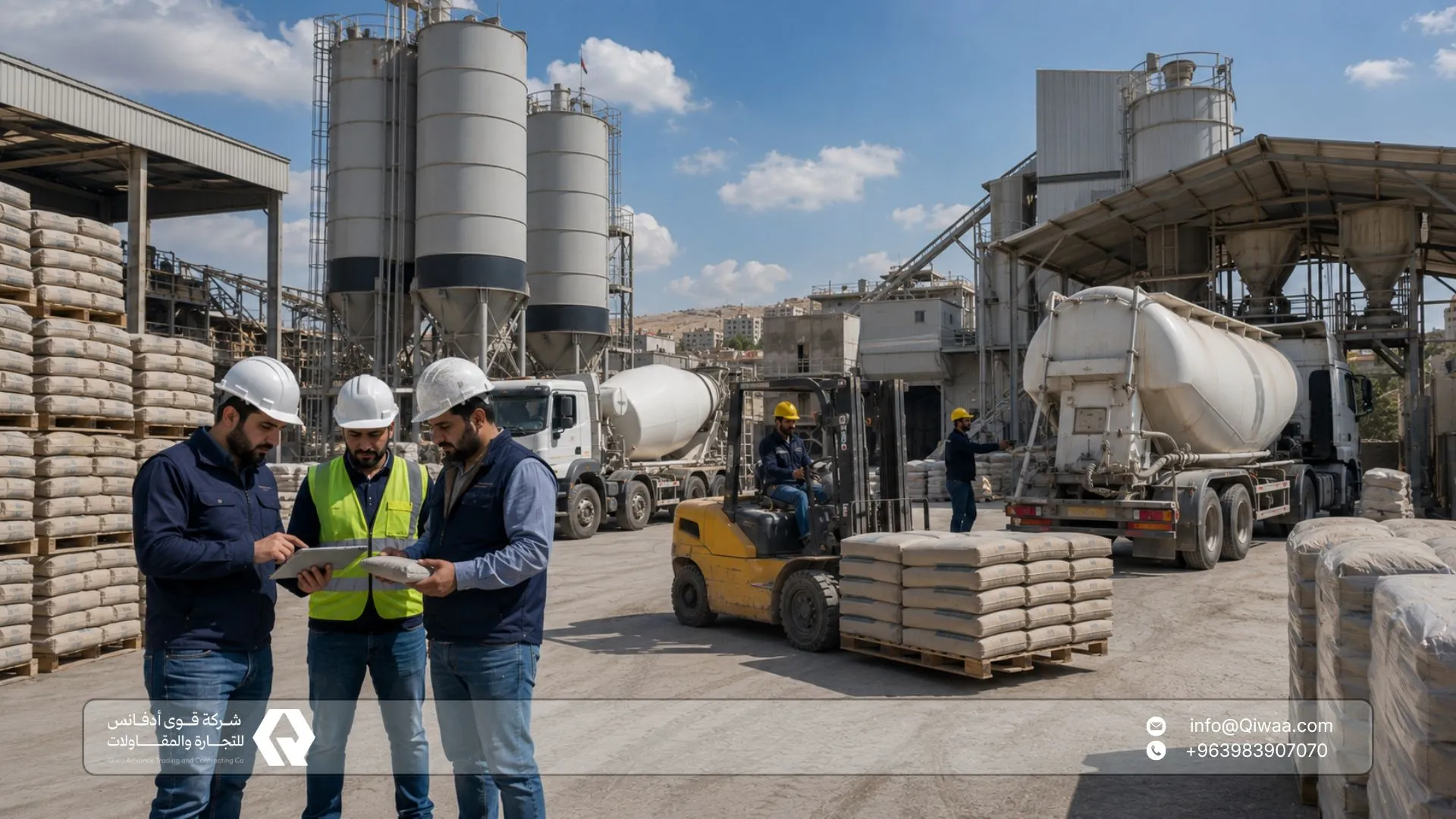


If you are sourcing rebar for a large project in Syria, the issue is not only quantity. It is whether the steel matches the required specification, comes from a clear source, stays consistent between batches, and can be delivered on time without disrupting execution.
That is why rebar supply is not just a price decision. It affects approval, work continuity, cash flow, and control of the project timeline.
In this guide, Qiwa Advance explains what to review before approving supply, how to read steel prices through real cost factors, and how to choose a source that supports your project from the first batch to the last.
What Should You Check Before Approving Rebar Supply in Syria?
Before approving any rebar supply, do not focus only on diameter or quantity. The right decision depends on the following four points. A weakness in any of these points can later affect approval, testing, or execution.
Required Project Specification
The first step is to return to the project drawings and approved specifications: is the required standard ASTM A615 or ASTM A706?
This matters because each standard refers to a different type of reinforcing steel and different requirements for chemical composition and mechanical properties.
- ASTM A615 covers deformed or plain carbon-steel reinforcing bars for concrete.
- ASTM A706 covers low-alloy reinforcing bars used where tighter mechanical control or better weldability is required.
Practical Difference Between ASTM A615 and ASTM A706
The practical difference is not in the name itself, but in how the steel will be used and approved on the project.
- ASTM A615 suits many traditional reinforcement applications in general construction works.
- ASTM A706 becomes more relevant when the project requires better weldability, tighter control of mechanical properties, or a specific performance target.
In simple terms, if the project needs standard reinforcing steel for common concrete works, A615 is often the relevant option. If there are special requirements related to welding, ductility, or performance, A706 should be reviewed more carefully.
Grades and Properties That Affect Approval
Once the specification is confirmed, the next issue is the grade. Under ASTM A615, grades such as 40, 60, and 75 directly affect yield strength, tensile strength, and ultimately structural approval.
Before approving supply, make sure that:
- the grade in the drawings matches the grade being offered
- the actual diameter matches the requirement
- the mechanical properties in the certificate match the approved specification
- the source remains consistent if supply will be made in phases
A common mistake is to buy steel simply because it is described as “rebar,” while the project actually requires rebar with a specific specification and grade.
What Should Appear in the Mill Certificate or Heat Certificate?
No batch should be approved without reviewing its certificate. At minimum, the certificate should include:
- the name of the mill or producer
- the heat number or batch number
- the reference specification, such as ASTM A615 or ASTM A706
- the grade
- the relevant chemical composition
- key mechanical properties such as yield strength, tensile strength, and elongation where required
- identifying data that links the certificate to the delivered batch
If the batch cannot be clearly linked to the certificate, approval becomes weaker even before the steel enters execution.
If you need support in reviewing reinforcement steel specifications before purchase, or want a supply offer with clear specification, grade, source, and documentation, Qiwa Advance can help you make a more reliable approval decision from the start.
Read more: Qiwa Advance: Amiantit Agent in Syria | Water Infrastructure Partnership

How Should You Check Rebar Compliance Upon Delivery?
When rebar arrives at the site, do not treat the shipment as quantity only. Verification should begin before the steel is stored or used by matching the delivered batch to the purchase order and the certificate.
1. Check Diameter, Quantity, and Bar Markings
Start with a direct visual and physical check on site. Confirm that:
- the delivered diameters match the drawings and purchase order
- the actual quantity matches the delivery statement
- the bar markings are clear and consistent
The key markings should normally include:
- the mill symbol or mark
- the bar size
- the steel type, such as A615 or A706
- the grade, such as 60 or 75
These markings help identify the steel and connect it to the required specification and grade.
2. Match the Batch to the Certificate
A certificate is not enough on its own. The delivered batch must be clearly linked to the certificate or heat certificate through:
- the mill or producer name
- the heat or batch number
- the specification
- the grade
- the diameter
- any other identifying data that connects the paperwork to the delivered steel
If the shipment cannot be clearly matched to the certificate, approval becomes weaker even if the steel appears acceptable on site.
3. When Should You Repeat Tensile or Bend Testing?
Repeat testing is not needed automatically for every batch, but it becomes a practical step when:
- the supplier is new or unfamiliar to the project
- there is a mismatch between the batch and the certificate
- the markings are unclear or incomplete
- there is a visible issue in the bars or rib pattern
- the project is structurally sensitive or under strict consultant control
- there is doubt about consistency between two batches
In these cases, tensile or bend testing helps settle compliance before the steel enters execution.
4. Where Can Reliable Testing Be Done in Syria?
A reliable test can be performed at the Industrial Research and Testing Center in Damascus, which has announced readiness to test reconstruction materials, including steel, and includes laboratories for reinforcement steel testing and related physical and mechanical checks.
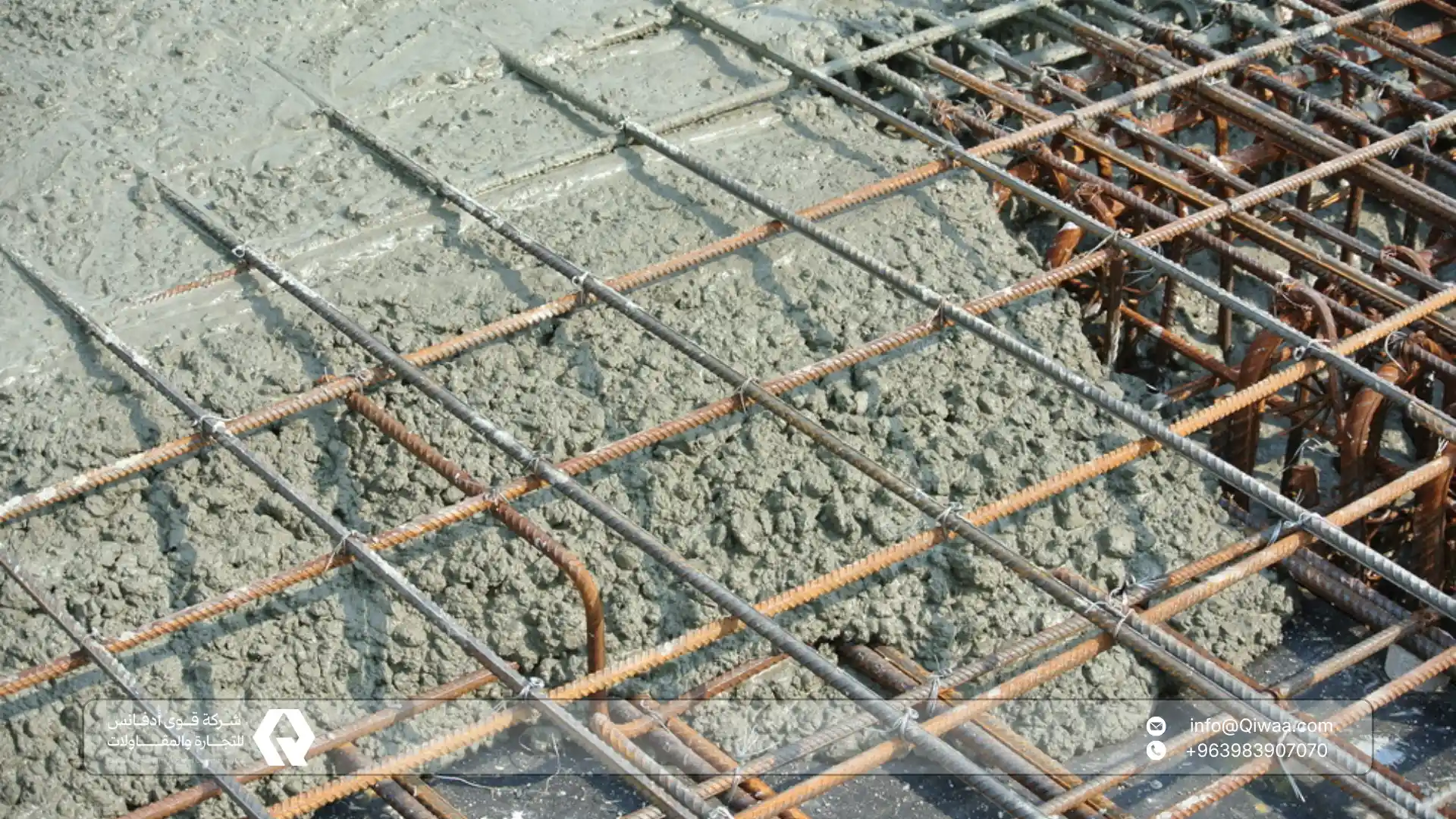
What Should a Rebar Supply Offer Include for a Project in Syria?
If a supply offer mentions only the price per ton, it is not enough for a construction project. A proper rebar supply offer should function as an execution document, not just a short price sheet.
Its purpose is to give you clear visibility on specification, quantity, source, withdrawal plan, and delivery terms before you compare or approve offers. In many projects, the problem is not only material availability, but weak clarity in technical and execution conditions.
1. Quantity and Withdrawal Schedule
The offer should clearly state:
- the total quantity
- whether supply will be in one batch or in phases
- the proposed withdrawal schedule
- the supplier’s ability to cover later batches
This matters because buying steel without linking it to the execution schedule can create pressure on storage, cash flow, and site progress.
2. Specification, Grade, and Source
A good offer should clearly mention:
- the required specification, such as ASTM A615 or ASTM A706
- the grade
- the diameters
- the mill or source name
This is not a minor paperwork detail. It is the basis for comparing offers properly and making sure the supplied steel matches project requirements.
3. Delivery Point and Transport
Do not approve an offer that does not clearly define:
- whether the price is ex-warehouse or delivered to site
- whether transport is included
- who carries loading and unloading costs
- whether price changes by governorate or delivery distance
In rebar supply, a meaningful part of the real cost often appears in logistics, not in the material alone.
4. Payment Terms and Delivery Time
A professional offer should also clarify:
- the payment method
- the validity period of the offer
- the actual delivery period
- whether there is a time commitment for each batch
These points affect both real cost and the supplier’s ability to stay committed, especially in phased projects or projects running on a tight schedule.
5. Consistency Between Batches
If your project requires phased supply, one of the most important review points is consistency between batches. You need to know:
- whether the specification will remain the same
- whether the source will remain the same
- whether each batch can be linked to its corresponding certificate
Consistency between batches is not an extra advantage. It is part of quality control in any serious project that depends on rebar supply over more than one stage.
If you need a clearer supply offer from the beginning, Qiwa Advance can help you structure one that clearly defines specification, source, quantities, withdrawal method, and delivery terms in a way that fits your project.
Also read: Qiwa Advance: Official Vişne Madencilik Agent in Syria
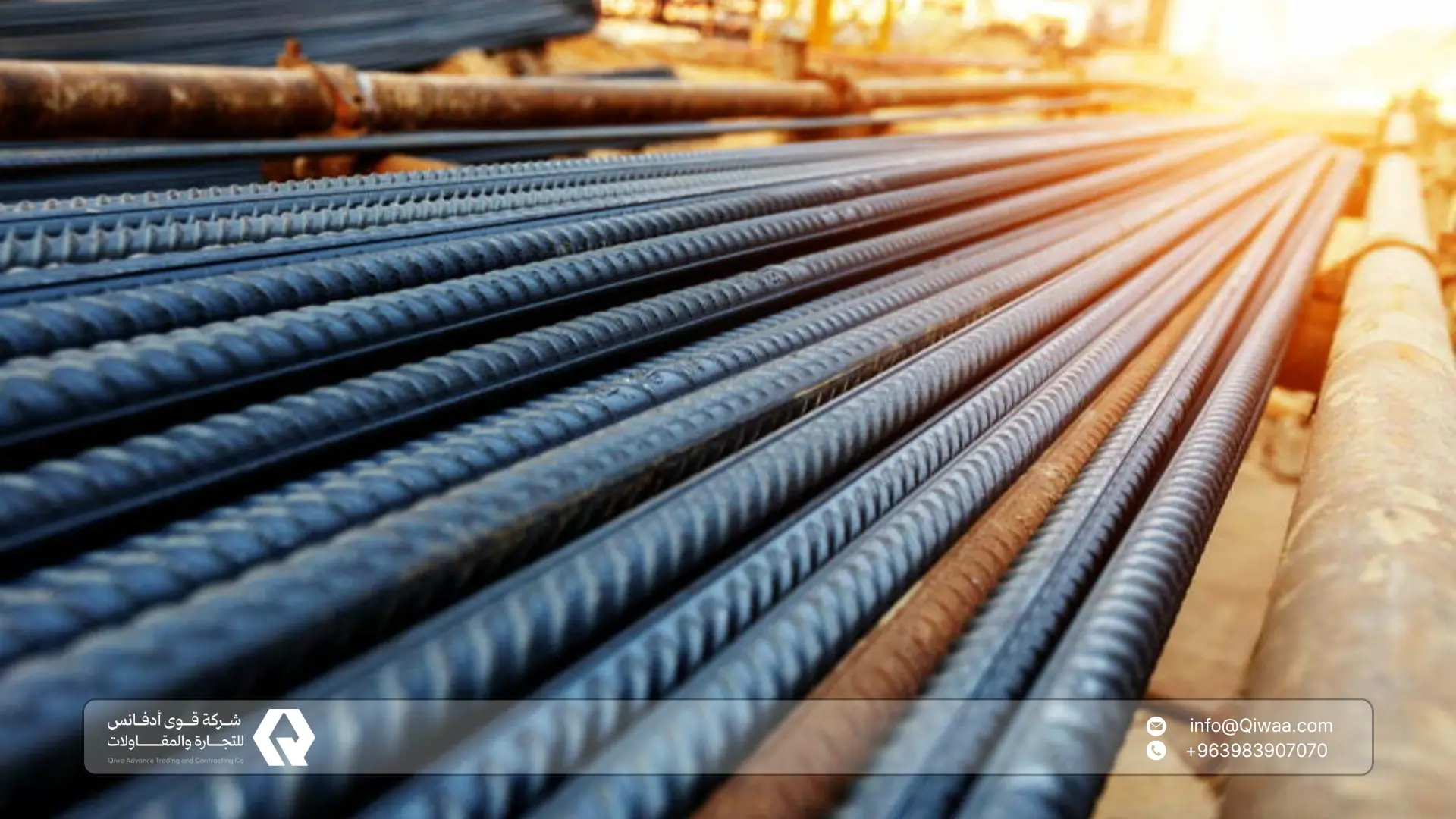
What Actually Determines Rebar Supply Cost in Syria?
When reviewing rebar pricing in Syria, comparing offers by price per ton alone is not enough. The real supply cost is shaped by a mix of technical, commercial, and logistical factors that can materially change the final decision.
For project teams, the important question is not only “What is the price?” but also “What is included in that price?” In many cases, the difference between two offers appears in specification, source, delivery terms, and supply commitment more than in the headline figure itself.
1. Specification, Grade, and Diameter
Cost changes when the specification, grade, or diameter changes. The difference between ASTM A615 and ASTM A706 is not only nominal; it may reflect different production requirements, properties, and project uses.
Required diameters also affect availability, pricing, and withdrawal planning. That is why steel should never be priced in isolation from the approved project specification.
2. Local or Imported Source
The source affects cost from two directions:
- the production or purchase cost itself
- the cost of logistics, approval, and continuity of supply
Local supply can be a practical option when production readiness and source clarity are available. Imported supply may become more suitable when it offers better documentation, stronger continuity, or a clearer mill source.
3. Transport to Site
Transport can materially change the cost per ton, especially when the project is far from the warehouse or in a governorate that requires special delivery arrangements.
That is why an ex-warehouse offer should not be compared directly with a delivered-to-site offer as if they were equal. In many projects, the real difference in cost appears in logistics, not in the steel itself.
4. Quantity and Withdrawal Schedule
A large quantity linked to a clear withdrawal schedule is not priced the same as a small, urgent, or irregular order.
Phased supply may be better for storage and cash-flow control, but it requires a supplier that can stay committed from one batch to the next. This makes the withdrawal plan part of the real cost structure, not just an operational detail.
5. Payment Method
Payment terms directly affect pricing. Immediate payment, staged payments, or deferred payment can all change the commercial offer even when the material itself remains unchanged.
For that reason, payment method should be treated as part of the supply cost, not as a separate financial issue.
6. Scrap, Billet, Energy, and Logistics Fluctuations
Even when your project is local, steel cost is still affected in the background by broader market movements such as:
- scrap
- billet
- energy
- shipping
- trade and logistics activity
This helps explain why steel prices may move even when there is no major visible change inside the project itself.
If you want to evaluate rebar supply cost more accurately, Qiwa Advance can help you read pricing through the factors that actually affect your project: specification, source, withdrawal schedule, and delivery terms.
Also Read: Qiwa Advance and Variant Factory in Syria: Advanced Formwork Partnership
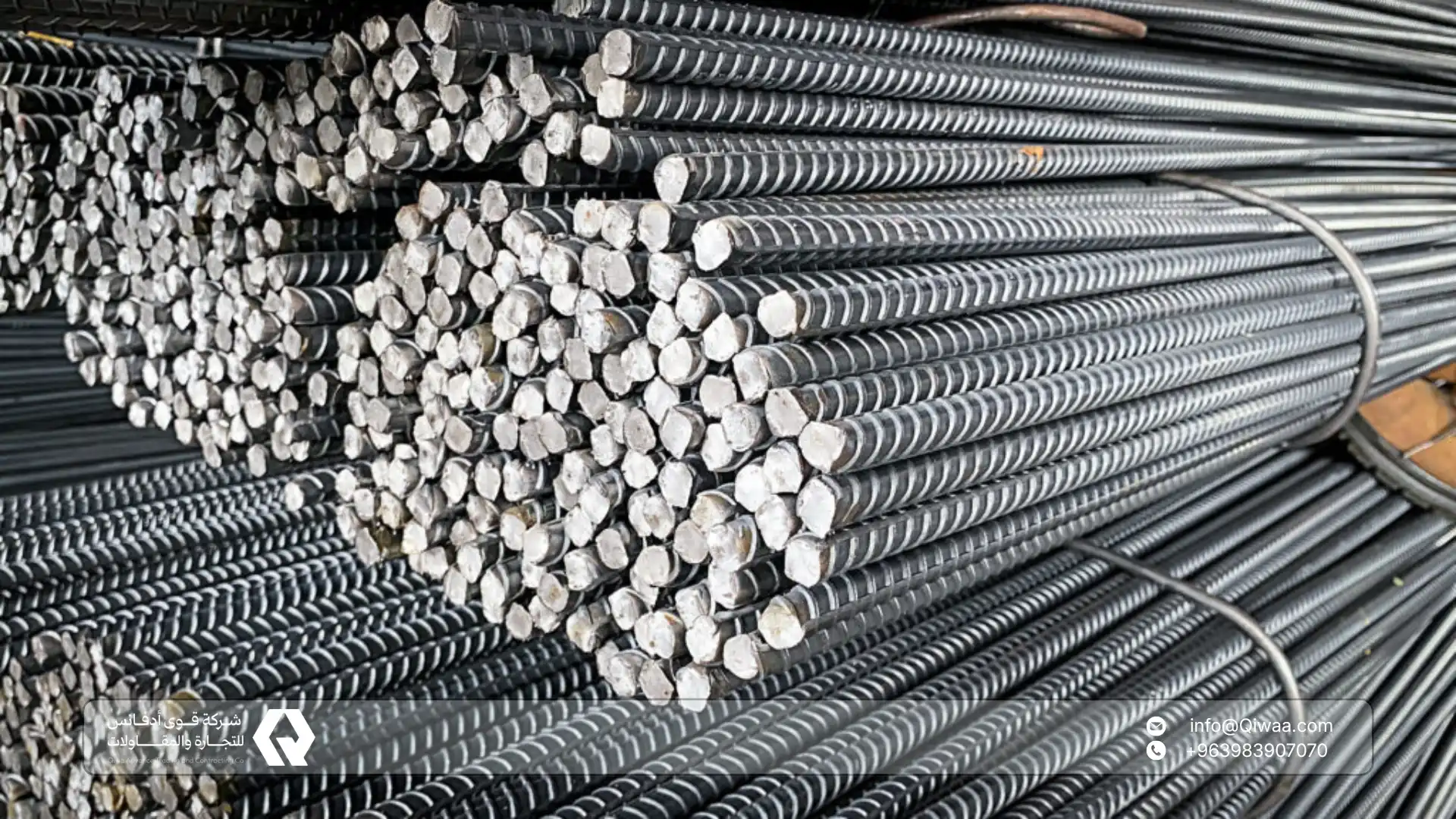
How to Choose a Rebar Supplier in Syria?
Before approving any rebar order, check these points:
- Make sure the source is clear
The mill or producer should be identified clearly, not mentioned as a vague market name. - Ask for a reviewable certificate
The mill certificate or heat certificate should show the specification, grade, and batch or heat number. - Match the batch to the documents
The certificate is not enough on its own. You should be able to link it to the steel actually delivered. - Confirm the required specification
Make sure the steel matches the project requirement, such as ASTM A615 or ASTM A706, and is not offered simply as “rebar.” - Check consistency between batches
If supply is phased, the source, specification, and grade should remain consistent from the first batch to the last. - Make sure retesting is possible when needed
This becomes important if the supplier is new, the markings are unclear, or the project is structurally sensitive. - Use reliable local verification when required
Testing can be carried out through the Industrial Research and Testing Center in Damascus when additional confirmation is needed.
If you need a supplier that offers clear specification, reviewable documentation, and a supply plan that supports execution from the start, Qiwa Advance can help.
Read more: Qiwa Advance and Ariane in Syria: Professional Porcelain Partnership
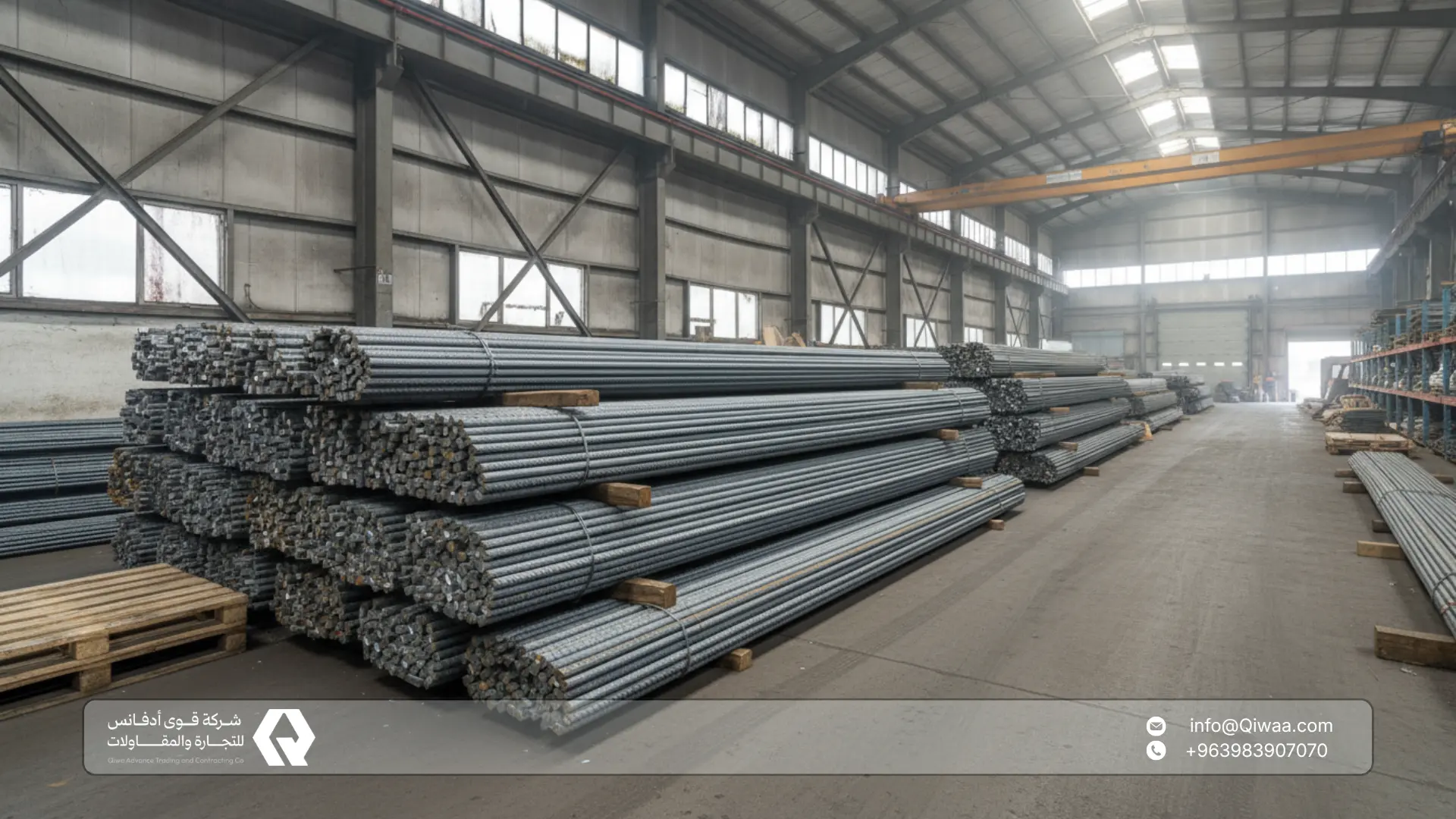
Local or Imported Rebar: Which Option Fits Your Project Better?
There is no single answer that fits every project. The better option depends on specification clarity, source transparency, continuity of supply, and how the steel will be approved and delivered.
Local Rebar May Be the Better Option When:
- the mill is clearly identified
- the source is stable and easy to verify
- the required specification can remain consistent between batches
- logistics to the site are simpler and faster
- the project benefits from easier local follow-up and testing
In this case, local supply can be a practical choice, especially when it offers source clarity, easier logistics, and stable availability.
Imported Rebar May Be the Better Option When:
- the project requires a clearly documented source
- a specific specification must be fixed from the start
- continuity between batches is a higher priority
- the importer can provide stronger documentation and traceability
- the available local option does not offer enough clarity or consistency
Imported steel can be the better choice when the project places greater weight on documented origin, fixed specification, or stronger supply continuity.
What Should You Compare in Both Options?
Before deciding between local and imported steel, compare both options based on:
- source clarity
- consistency of specification between batches
- traceability through certificates and batch data
- ability to continue supply over the project stages
- ease of verification and testing
- suitability for the project in terms of logistics, approval, and continuity
Qiwa Advance helps clients evaluate both options according to actual project needs, whether the requirement is locally sourced rebar with a clear source or imported steel with a defined specification. The goal is not to prefer one option in general, but to choose the one that best supports approval, cost control, and supply continuity for the project.
Why Contractors and Developers Work with Qiwa Advance for Rebar Supply in Syria
In rebar supply, the issue is not only whether steel is available. What matters is whether the supplier can support the execution program, maintain consistency between batches, cover project quantities, and deliver with clear coordination from the first shipment to the last.
At Qiwa Advance, we focus on supplying rebar in a way that fits how projects actually run on site. That means linking quantities to work progress, reducing disruption, and helping contractors and developers manage supply with more clarity and control.
Fast Supply That Supports Execution
Delayed steel affects pouring schedules, rebar installation, labor planning, and the stages that follow. That is why we focus on fast supply linked to actual project need, helping clients reduce stoppages and protect the execution timeline.
Consistency Between Batches
In many projects, the real problem does not appear in the first batch, but in the batches that follow. We focus on maintaining consistency in source and quality so that supply remains stable throughout the project.
Support for Large and Phased Orders
Whether the requirement is a medium quantity or continuous supply for a large development, we arrange rebar supply in a way that fits the project size and withdrawal stages without creating unnecessary storage pressure.
Clearer Delivery Coordination
For contractors and developers, steel availability in the warehouse is not enough. What matters is delivery to site at the right time and under clear terms. We pay close attention to delivery coordination so supply supports execution rather than disrupting it.
Faster Response to Changes on Site
Project needs can change quickly. Quantities may increase, schedules may move forward, or an additional batch may be needed urgently. In these situations, responsiveness becomes part of the supplier’s value.
A Supply Approach Built Around Project Reality
We do not treat rebar as a simple sales item. We treat it as part of the execution system, where timing, quantity control, continuity, and coordination all matter. That is the basis on which we structure supply for our clients.
Less Administrative Pressure on the Project Team
When quantities, delivery times, and withdrawal arrangements are clear from the beginning, project follow-up becomes easier. This helps reduce daily coordination pressure and allows the team to stay focused on execution.
If you are looking for rebar supply in Syria with clearer coordination, more reliable continuity, and a supply plan that fits project execution, Qiwa Advance can support you.